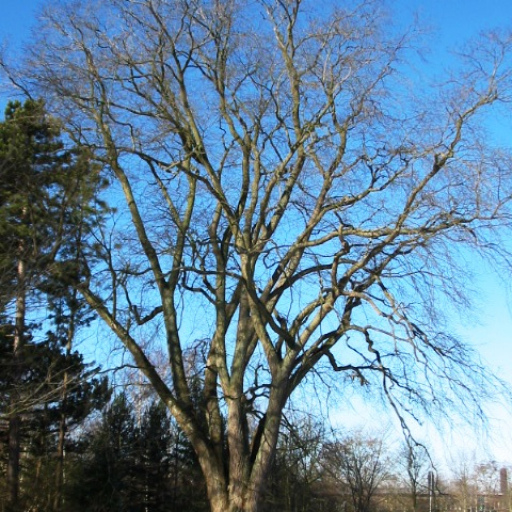
Plant Overview
The Ulmus campestris, commonly known as the Field Elm or English Elm, is the quintessential "grandfather" tree of the European countryside. Once lining thousands of miles of ancient hedgerows, it is beloved for its towering, cloud-like canopy and rugged, stoic character. In various folklores, the Elm was often considered a bridge to the underworld or a protective spirit, standing as a silent sentinel over rural pathways.
🔍 How to Identify
- 🍃 Asymmetrical Leaves: Look for small, oval leaves with double-toothed edges. The most telling feature is the "lopsided" leaf base, where one side of the leaf blade attaches to the stem lower than the other.
- 🖐️ Sandpaper Texture: The upper surface of the foliage feels remarkably rough and scratchy, almost like fine-grit sandpaper, while the underside often has tiny tufts of white hair.
- 📦 The "Samara" Fruit: Before the leaves fully emerge in spring, the tree produces clusters of seeds encased in flat, papery, circular wings that turn from light green to tan.
🏡 In Your Garden
- 🌳 Space and Scale: This is not a tree for a small suburban plot; it requires significant vertical and horizontal space to develop its majestic, billowing crown.
- 🛡️ Disease Awareness: When planting an Elm, the "why" behind the care is survival. The Field Elm is highly susceptible to Dutch Elm Disease, so it is often grown as a managed hedge or chosen in resistant cultivar forms to ensure it survives past its teenage years.
⚠️ Safety & Toxicity
- ✅ Non-Toxic: The Field Elm is considered safe and non-toxic for humans, dogs, cats, and horses.
- 🤧 Pollen Alert: While it won't hurt your pets if they nibble a leaf, the tree is a heavy pollen producer in early spring, which can be a significant trigger for seasonal allergy sufferers.
✨ Fun Fact
Because Elm wood is incredibly resistant to decay when kept permanently wet, it was the primary material used to construct the original water mains of London. Hollowed-out Elm trunks served as the city’s plumbing for centuries before metal pipes were invented!

Detailed Care Instructions
To grow Ulmus campestris, also known as the field elm or English elm, follow these steps:
- Climate and soil: Ensure that you live in a suitable climate for Ulmus campestris, which is generally temperate regions. The plant prefers well-drained soil with a pH level between 6.0 and 7.5.
- Location: Select a location with full sun or partial shade. Make sure that it has enough space for the tree to grow to its maximum height and width, as English elm trees can reach up to 100 feet in height and 60 feet in width.
- Planting: Plant the Ulmus campestris in early spring or fall. Dig a hole that is two times wider and deeper than the root ball of the plant. Place the tree in the hole, making sure that the top of the root ball is level with or slightly above the soil surface. Backfill the hole with soil and tamp it down gently to remove any air pockets.
- Watering: Water the newly planted tree regularly, especially during the first few months. Keep the soil evenly moist but not waterlogged. After the first year, the tree should be able to withstand dry spells, but it is still recommended to water it during prolonged periods without rain.
- Mulching: Apply a layer of organic mulch around the base of the tree, leaving a gap around the trunk to prevent rot. Mulching helps retain moisture, suppress weed growth, and insulate the roots from extreme temperatures.
- Pruning: Prune Ulmus campestris during late winter or early spring to remove any dead, damaged, or diseased branches. This will promote healthy growth and maintain a pleasing shape. Always use sterilized pruners to prevent the spread of any diseases.
- Fertilizing: English elm trees generally do not require regular fertilization. However, if the soil is poor or if the tree seems to be struggling, you may consider applying a balanced, slow-release fertilizer in early spring.
- Pest and disease control: Regularly inspect the tree for common pests such as aphids, leaf beetles, and elm leaf beetles. If an infestation occurs, treat the tree with appropriate organic or chemical insecticides. Watch for signs of diseases like Dutch elm disease, which can be fatal for the tree. If you suspect infection, consult with an arborist for early detection and treatment options.
Remember that Ulmus campestris is a large and long-lived tree, so make sure to give it plenty of space to grow and thrive.
To properly water Ulmus Campestris, it is advisable to follow these guidelines:
- Consider the soil: Before watering, assess the soil moisture level by inserting your finger up to the first knuckle into the soil near the plant's base. If the soil feels dry at this depth, it is time to water.
- Watering frequency: Ulmus Campestris generally prefers regular watering, especially during its establishment phase. Water the plant deeply, allowing the water to penetrate the root zone.
- Watering technique: Use a gentle and slow watering technique to avoid water runoff. This allows the soil to absorb moisture evenly and prevents excessive water loss.
- Use the right amount of water: Provide enough water to moisten the soil around the plant's base adequately. However, avoid overwatering, as it may lead to root rot or other water-related issues.
- Time of day: Watering in the early morning or late afternoon is recommended, as it helps minimize water evaporation due to the cooler temperatures. Watering during the hottest parts of the day can result in excessive moisture loss.
- Mulching: Apply a layer of organic mulch, such as wood chips or bark, around the plant. Mulch helps retain soil moisture, prevents weed growth, and moderates soil temperature.
- Monitor plant response: Keep an eye on the Ulmus Campestris plant's condition and assess its response to watering. Wilting or yellowing leaves may indicate under or overwatering. Adjust watering accordingly.
- Rainwater vs. tap water: If possible, consider using rainwater for watering Ulmus Campestris. Rainwater is often free from chemicals found in tap water, making it a more natural option for the plant.
Remember that these guidelines may vary depending on climate, soil conditions, and the plant's age. It is essential to observe the specific needs of your Ulmus Campestris plant and adjust your watering routine accordingly.
To fertilize the Ulmus Campestris plant, use a balanced fertilizer that contains equal amounts of nitrogen, phosphorus, and potassium. Follow these instructions:
- Choose a water-soluble or granular fertilizer formulated for woody plants or trees. Make sure the nutrient content is balanced, such as a 10-10-10 NPK (nitrogen-phosphorus-potassium) ratio.
- Read the product label to determine the appropriate amount of fertilizer to use based on the size and age of your Ulmus Campestris plant.
- Apply the fertilizer during the active growing season, preferably in early spring or early fall.
- Sprinkle the granules evenly around the base of the plant, avoiding direct contact with the trunk or stems. If using water-soluble fertilizer, dissolve the recommended amount in water according to the package instructions.
- Gently work the granules into the top layer of soil using a rake or hand tool, ensuring they are well-distributed.
- Water the plant thoroughly after applying the fertilizer to help it absorb the nutrients.
- Repeat the fertilization process once or twice a year, following the product's instructions for frequency and dosage. Remember to adjust the amount based on your plant's specific needs and health.
Please note that it's important to follow the instructions provided on the fertilizer packaging, as different fertilizers may have specific recommendations for application and dosage.
To facilitate the growth of Ulmus Campestris plants, it is essential to choose a suitable soil. The ideal soil composition can promote healthy root development, nutrient absorption, and overall plant vigor.
For Ulmus Campestris plants, a well-draining soil mix is crucial to prevent waterlogging and root rot. It is recommended to use a loamy soil blend consisting of a balanced combination of clay, silt, and sand particles. This type of soil promotes adequate water retention while allowing excess water to drain away efficiently.
Ulmus Campestris plants thrive in slightly acidic to mildly alkaline soil with a pH range of 6.0 to 7.5. This pH level enables optimal nutrient availability for the plant. Additionally, mildly acidic soil can also help prevent certain soil-borne diseases. It is advisable to periodically monitor and adjust the pH levels if necessary, using appropriate amendments like sulfur or lime.
To enhance the soil structure and nutrient content, organic matter can be incorporated into the soil mix, such as compost or well-rotted manure. Organic matter improves soil fertility, moisture retention, and nutrient availability, thereby supporting proper growth and development of Ulmus Campestris plants.
Before planting, ensure that the soil is free from debris, weeds, and large clumps. Properly prepare the planting hole by loosening the soil to promote root penetration and establishment. After planting, it is advisable to apply mulch around the base of the plant. Mulch helps to retain soil moisture, regulate temperature fluctuations, suppress weed growth, and gradually add organic matter to the soil as it breaks down.
Regular soil maintenance is vital for the long-term health of Ulmus Campestris plants. This includes regular watering, fertilization, and soil testing to ensure the nutrient levels are balanced. Furthermore, attention should be given to the soil's drainage to prevent water accumulation around the plant.
Overall, selecting a well-draining loamy soil mix with proper pH levels, incorporating organic matter, and maintaining appropriate moisture levels is essential for the successful cultivation of Ulmus Campestris plants.
Ulmus campestris plant can be propagated through several methods, such as seed propagation, cutting propagation, and grafting. Each method has its own advantages and considerations. Here are the details on how to propagate Ulmus campestris:
- Seed propagation: Collect mature seeds from a healthy Ulmus campestris tree during the fall or early winter. Soak the seeds in water for 24 hours before sowing to enhance germination rates. Make sure to scarify the seed coat by gently rubbing it with sandpaper or nicking it with a knife to help with germination. Sow the seeds in a well-draining potting mix, covering them with a thin layer of soil. Maintain a moist environment and keep the temperature around 15-25°C (59-77°F). Germination may take several weeks to months. Once the seedlings have developed a few true leaves, they can be transplanted into larger containers or in suitable outdoor locations.
- Cutting propagation: Take semi-hardwood cuttings in late summer or early autumn when the plant is actively growing. Select healthy, non-flowering shoots that are firm but not too woody. Cut 6-8 inch long sections just below a set of leaves and remove the lower leaves. Optionally, dip the cut end in a rooting hormone powder to encourage root development. Plant the cuttings in a well-draining rooting medium, such as a mixture of perlite and peat moss or a commercial rooting mix. Place the cuttings in a warm, bright location out of direct sunlight and mist regularly to maintain humidity. Within a few weeks to months, roots should develop. Once the roots are sufficiently established, the cuttings can be potted up individually or planted in the ground.
- Grafting: Grafting is a more advanced method suitable for experienced gardeners or horticulturists. It involves joining a desirable Ulmus campestris cultivar (the scion) onto a compatible rootstock. The rootstock can be another Ulmus campestris seedling or a closely related Ulmus species. Carefully make a clean, slanting cut on both the scion and rootstock. Match the cambium layers of both sections, ensuring they align as closely as possible. Secure the graft using grafting tape or wax. Over time, the scion and rootstock will fuse together, forming a strong union. Grafted plants should be cared for following specific guidelines to ensure successful growth.
Remember to provide the propagated plants with appropriate care, including regular watering, sunlight, and protection from extreme weather conditions. Properly acclimatize the new plants before exposing them to full sun or harsh environments. With time and care, the propagated Ulmus campestris plants will develop into healthy specimens.








