Plant Overview
Often called the "Siberian Elm" or "Dwarf Elm," Ulmus pumila is the ultimate survivor of the tree world. Native to the harsh, wind-swept landscapes of Central Asia and Siberia, it was brought to other continents to create "living walls" or windbreaks where other trees simply couldn't hack it. While it’s a favorite for beginner bonsai artists due to its tiny leaves, in a garden setting, it is known for its rugged, almost rebellious nature.
🔍 How to Identify
- 🍃 The Leaves: Small, dark green, and elliptical with "saw-tooth" (serrated) edges. Unlike many other elms, the base of the leaf is nearly symmetrical.
- 🌳 The Bark: Young trees have smooth, grayish-green skin, while older specimens develop dark, rough furrows that look like deeply wrinkled skin.
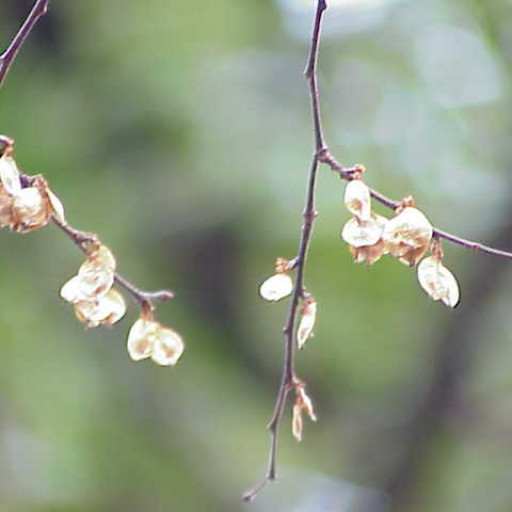
- 🛸 The Seeds: In spring, it produces clusters of "samaras"—flat, circular, papery wings with a single seed in the middle that travel easily on the wind.
🏡 In Your Garden
- 💪 The Hardiness Factor: This tree thrives in "impossible" conditions, including alkaline soil, heavy salt, and extreme drought. It’s the tree that grows through cracks in the pavement when nothing else will.
- ✂️ Brittle Branches: Because it grows so incredibly fast, the wood can be weak. It is known for "self-pruning," meaning it may drop twigs and small branches during high winds or heavy snow.
- 🌱 Invasive Potential: Be aware that it is a prolific seeder. If you have one Siberian Elm, you will likely find dozens of "volunteers" popping up in your flowerbeds and gutters every spring.
⚠️ Safety & Toxicity
- ✅ Status: Generally non-toxic and safe.
- 🤧 Allergy Alert: While not poisonous to pets or humans, it is a wind-pollinator. In early spring, it releases massive amounts of pollen that can be a nightmare for hay fever sufferers.
- 🐾 Pet Friendly: It is not listed as toxic to dogs, cats, or horses by the ASPCA.
✨ Fun Fact
The Siberian Elm is highly resistant to Dutch Elm Disease, the fungal plague that wiped out millions of majestic American Elms in the 20th century. Because of this "superpower," scientists often cross-breed it with other elms to create hardy, disease-resistant hybrids!

Detailed Care Instructions
To grow Ulmus pumila (Siberian elm) plants, follow these steps:
- Seed collection: Obtain seeds from a reputable source or collect them from mature trees in the fall when the seeds are ripe.
- Stratification: Siberian elm seeds require stratification, a period of cold moist treatment to break the dormancy. Mix the seeds with equal parts of slightly moist sand or peat moss, and place them in a plastic bag or container. Store it in the refrigerator for about 90 days.
- Soil preparation: Prepare a well-draining soil mix by combining equal parts of sand, loam, and compost. Amend the soil with organic matter to improve fertility and drainage.
- Germination: After stratification, sow the seeds in pots or seed trays filled with the prepared soil mix. Place 2-3 seeds in each container, burying them about 1/4 inch deep. Keep the soil consistently moist but not waterlogged.
- Temperature and light requirements: Place the containers in a warm location with indirect sunlight. Maintain a temperature of around 70 to 75 degrees Fahrenheit (21-24 degrees Celsius) during the day and slightly cooler at night.
- Transplanting: Once the seedlings have developed two true leaves, which usually takes several weeks, they can be transplanted to individual pots. Use a similar soil mix and ensure the container has drainage holes.
- Hardening off: At around 6-8 weeks, gradually expose the seedlings to outdoor conditions over a period of a few weeks. Start by placing them in a sheltered spot for a few hours each day, gradually increasing their exposure to sun and wind.
- Planting outdoors: Choose a sunny location with well-draining soil. Transplant the Ulmus pumila saplings into the ground when they are at least 6-8 inches tall and have a well-established root system. Space the plants at least 15 feet apart to allow for their full growth potential.
- Watering and care: Provide regular watering, especially during hot and dry periods, to help establish the plants. Mulching around the base will help retain moisture and suppress weeds. Avoid overwatering, as it can cause root rot.
- Pruning and maintenance: Siberian elms are fast-growing trees that can tolerate heavy pruning. Prune them during the dormant season to shape the tree and remove any dead, damaged, or crossing branches.
Remember that growing trees from seeds requires patience, as it may take several years for them to reach maturity and develop fully.

Place in a bright room that is sun drenched almost all day. Or directly in a south-facing window.

When watering Ulmus Pumila, it is important to keep the soil consistently moist but not waterlogged. This can be achieved by giving the plant a thorough watering once per week and monitoring the soil moisture level throughout the week. The plant should be watered deeply enough so that the soil becomes saturated but not so much that water pools on the surface. When watering, it is important to pour the water directly onto the soil at the base of the plant rather than onto the leaves or trunk. This helps to prevent the leaves from getting waterlogged and developing fungal diseases. It is also important to avoid watering during the hottest part of the day as this can cause the water to evaporate too quickly and reduce the plant's access to moisture. Finally, it is important to adjust the watering schedule based on the season, as the plant's water requirements will change with the weather.
To fertilize this plant, apply a balanced fertilizer in the spring before new growth appears. Use a slow-release fertilizer or a liquid fertilizer diluted to half strength. Apply the fertilizer evenly around the base of the plant, being careful not to let it touch the trunk or foliage. Water the plant thoroughly after fertilizing. Repeat this process every 4-6 weeks during the growing season. Avoid fertilizing too late in the season as it can promote new growth that may not have time to harden off before winter.
The Ulmus Pumila plant prefers a well-draining, loamy soil with a slightly acidic pH level of around 6.0 to 6.5. The soil should be rich in nutrients and organic matter to support healthy growth. It is important to avoid heavy clay soils and soils that hold too much moisture, as this can lead to root rot and other fungal diseases. A mix of sand, peat moss, and compost can be added to the soil to improve drainage and provide adequate nutrients. It is also recommended to mulch around the base of the plant to help retain moisture and regulate temperature.
- Choose a healthy, mature plant with strong roots as the parent plant.
- In early spring, when new growth appears, take softwood cuttings about 6 to 8 inches long from the tips of the branches.
- Remove the lower leaves and dip the cut end in rooting hormone.
- Plant the cuttings in a pot with well-draining soil, and keep them moist and warm in a shaded area.
- Once the cuttings have developed roots and new growth, transplant them to individual pots or the garden.
- Provide regular watering and fertilization to help the new plants establish themselves.
Common pests of the siberian elm include Scale insect, mealybugs, spider mites. Make a habit of checking your siberian elm frequently for pests so that any infestations can be caught and managed early.








