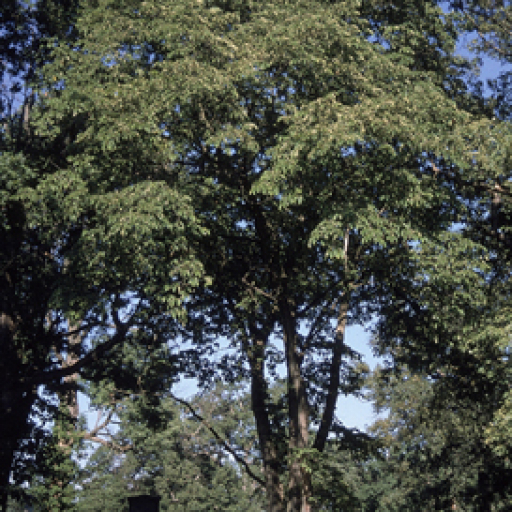
Plant Overview
Commonly known as the Slippery Elm or Red Elm, this North American native is legendary for its "healing" inner bark. For centuries, it has been a staple in herbal medicine, often brewed into teas to soothe sore throats. While it lacks the giant, sprawling canopy of its cousin, the American Elm, it holds a special place in history as a survivalist tree that provided both medicine and cordage to indigenous peoples and early settlers.
🔍 How to Identify
- 🍃 The Texture: The most telling sign is the leaves; they feel remarkably like coarse sandpaper on the top side, while the undersides are covered in soft, dense hairs.
- 🌳 The Bark: As the tree matures, the bark becomes deeply furrowed with long, vertical ridges. If you were to peel a small piece of the inner bark, it would feel slimy or "slippery" to the touch.
- 🍂 The Buds: Unlike other elms, the Slippery Elm features distinctive flower buds covered in dense, rusty-brown hairs, making them look fuzzy during the winter months.
🏡 In Your Garden
- 💧 Moisture Matters: This tree is a "bottomland" lover. It thrives in moist, rich soils near streams or slopes. If you plant it in your garden, ensure the soil doesn't bake into a brick during summer, as it lacks a deep taproot and prefers consistent hydration.
- 🛡️ Disease Resilience: While many American Elms were wiped out by Dutch Elm Disease, the Slippery Elm shows a slightly better—though not complete—resistance. It’s a great choice for those wanting a traditional "Elm look" with a bit more structural toughness.
- 🪵 Pruning Patience: It tends to grow quite fast when young. Avoid heavy pruning in late spring when the sap is flowing heavily, as "bleeding" can attract pests.
⚠️ Safety & Toxicity
- ✅ Human Safety: The inner bark is widely recognized as safe and is frequently used in lozenges and supplements. However, always source from reputable vendors rather than stripping your own tree, which can kill it.
- 🐾 Pet Safety: The Slippery Elm is generally considered non-toxic to dogs, cats, and horses. In fact, many holistic veterinarians use the bark powder to treat digestive upsets in pets.
- 🧴 Skin Sensitivity: While rare, some individuals may experience a mild allergic skin reaction when handling the fresh, wet inner bark or sawdust.
✨ Fun Fact
During the American Revolution, soldiers used a poultice made from the Slippery Elm's inner bark to treat gunshot wounds when conventional medical supplies ran low! It was essentially the "survivalist's bandage" of the 18th century.

Detailed Care Instructions
Growing Ulmus rubra, commonly known as the American Elm or Red Elm, requires careful attention to planting, soil conditions, and ongoing care. Here are some steps to successfully grow Ulmus rubra:
- Select a suitable location: Choose a spot that receives full or partial sunlight. The soil should be well-draining and rich in nutrients. Avoid areas prone to flooding or excessive moisture.
- Prepare the soil: Before planting, loosen the soil to a depth of at least 12 inches. Remove any rocks, weeds, or debris. Incorporate organic matter like compost or well-rotted manure to enhance soil fertility and drainage.
- Obtain healthy saplings: Purchase healthy Ulmus rubra saplings from reputable nurseries or order them online. Choose a sapling with a well-developed root system.
- Planting: Dig a hole that is wide and deep enough to accommodate the roots of the sapling. Place the sapling in the hole, ensuring that the root collar (the area where the roots meet the trunk) is level with or slightly above the soil surface. Backfill the hole with soil, gently firming it around the roots.
- Watering: Immediately after planting, water the sapling thoroughly to settle the soil and eliminate air pockets. Water consistently, especially during dry periods, to keep the soil moist but not waterlogged.
- Mulching: Apply a layer of organic mulch, such as wood chips or shredded bark, around the base of the tree. This will help conserve moisture, suppress weed growth, and insulate the roots. Leave a small gap between the mulch and the trunk to prevent rot.
- Pruning and training: Regularly prune any dead, diseased, or crossing branches to maintain a healthy shape and structure. Train the tree when young by pruning off lower branches to encourage upward growth.
- Fertilizing: Apply a balanced slow-release fertilizer in early spring or as recommended by a soil test. Avoid over-fertilization, as this can lead to excessive growth and weak limbs.
- Pest and disease control: Monitor the tree for signs of pests or diseases like Dutch elm disease. Consult a local arborist or extension service for guidance on prevention and treatment.
- Ongoing care: Provide regular care and attention to your Ulmus rubra, including watering, mulching, pruning, and fertilizing as needed. Monitor its growth and health regularly and address any issues promptly.
Remember, growing a healthy Ulmus rubra tree takes time, so be patient and provide consistent care throughout its lifespan.

Place in a bright room that is sun drenched almost all day. Or directly in a south-facing window.

When it comes to watering this plant, you should aim for consistency in terms of moisture levels. Keep the soil evenly moist but not waterlogged. Watering once a week during dry periods should suffice, but be sure to adjust based on the humidity and temperature of the environment. Additionally, make sure the pot or the ground around the plant provides adequate drainage to prevent water accumulation. It's important not to overwater this plant, as it can lead to root rot and other issues. To check if the plant needs water, stick your finger into the soil about an inch deep. If it feels dry at that depth, it's time to water.
To fertilize this particular plant, use a slow-release fertilizer with a ratio of 10-10-10 in early spring before new growth emerges. Apply the fertilizer evenly around the base of the plant, avoiding contact with the foliage. Water the plant thoroughly after fertilizing. Repeat the application in late summer or early fall to encourage healthy growth and overall plant health. Avoid over-fertilizing as it may cause damage to the plant.
The ideal soil for Ulmus Rubra plants should be well-draining and rich in nutrients. It should have a pH level between 6.0 to 7.5. The soil should consist of a mixture of loamy soil, perlite, peat moss, and organic matter. This will provide good drainage while retaining adequate moisture. Avoid using heavy clay soils as they can retain too much water, leading to root rot. The soil should also provide sufficient air circulation around the roots of the plant. Adding a layer of mulch on top of the soil can help retain moisture, suppress weeds, and regulate soil temperature. Ensure that the soil is well-aerated to support the growth of a healthy root system. Regular soil amendments and fertilization can help maintain proper soil conditions for Ulmus Rubra plant growth.
To propagate this plant, you can collect seeds from mature tree specimens in the fall after they have fully ripened. Clean the seeds, scarify them by nicking the seed coat with a knife, and soak them for 24 hours in water to enhance germination. Sow the seeds in a container filled with moist potting soil, cover lightly with soil, and keep the soil moist. Keep the container in partial shade and with temperatures around 60-70°F.
Another method of propagation is by taking softwood cuttings in the summer. Collect stems that are still tender and green. Cut these at a 45-degree angle, remove the lower leaves, and apply rooting hormone. Place them in a container containing a moist potting mix that drains well. Cover the container with clear plastic to help retain moisture, and place it in a shaded location. Keep the soil moist and monitor for new growth.
Once the cuttings or seeds have rooted, transplant them into larger containers with well-draining soil. Gradually provide more sunlight and allow the soil to dry slightly between waterings. Once the seedlings or cuttings have matured, they can be transplanted into larger containers or outside in the garden.








