Plant Overview
Often called the "Succulent Sesame," the Uncarina grandidieri is a true architectural wonder hailing from the arid forests of Madagascar. It is beloved by rare plant collectors for its thick, bottle-like trunk and large, velvety leaves that feel like soft felt to the touch. While it looks like a lush tropical shrub, it is a hardy survivor designed to thrive in some of the harshest environments on Earth.
🔍 How to Identify
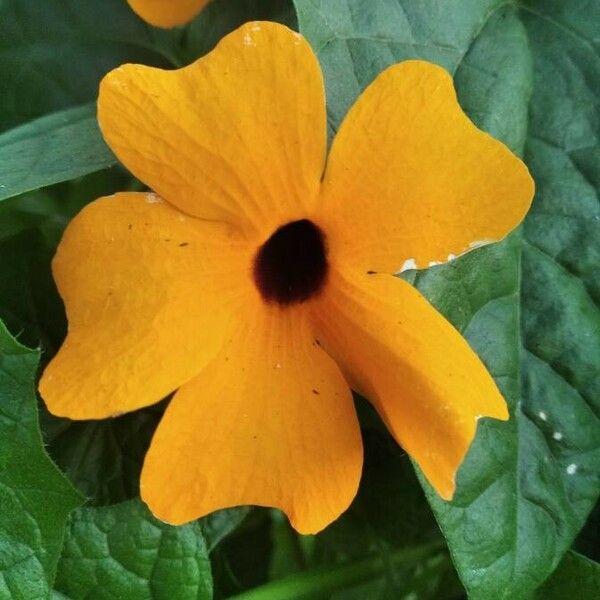
- 🍳 The "Fried Egg" Bloom: Produces striking, trumpet-shaped yellow flowers with a deep purple or maroon throat, bearing a resemblance to a hibiscus.
- 🧤 Velvety Foliage: The green, heart-shaped leaves are covered in fine, glandular hairs, giving them a fuzzy, sticky texture that helps the plant retain moisture.
- ⚓ Harpoon Seed Pods: The most distinct feature is the woody fruit, which is covered in long, hooked barbs designed to "hitchhike" on passing animals.
🏡 In Your Garden
- ☀️ Light & Drainage: This plant is a sun-worshipper. To keep its trunk (caudex) thick and healthy, it needs bright, direct light and extremely gritty soil. It hates "wet feet" and will rot quickly if left in standing water.
- 😴 Winter Sleep: It is a deciduous species. Don't be alarmed if it drops all its leaves as temperatures cool; it is simply entering dormancy. During this time, you should stop watering almost entirely to mimic the Malagasy dry season.
⚠️ Safety & Toxicity
- 🌵 Physical Hazard: While the plant isn't known to be highly toxic if ingested, the seed pods are formidable. The hooks are incredibly sharp and designed to lock into fur or skin—they can be very painful to remove.
- 🐾 Pet Protection: Keep this plant on a high shelf away from curious cats or dogs. If a seed pod gets stuck in a pet's fur, it usually requires a careful "surgical" extraction with scissors or pliers.
✨ Fun Fact
The Uncarina is part of the Pedaliaceae family, making it a distant relative of the sesame plant! However, instead of producing edible seeds for your bagel, it evolved its "harpoon" fruits to be spread by the now-extinct giant Elephant Birds of Madagascar.

Detailed Care Instructions
| Humidity | Dry |
| Lighting | Full Sun |
| Difficulty | Easy |
| Temperature | 21°C - 45°C |
| Hardiness Zones | 10 - 12 |
Uncarina Grandidieri is a rare and unique plant that is native to Madagascar. It can be grown successfully in a well-draining soil mix and with plenty of sunlight. Here are some tips on how to grow and care for Uncarina Grandidieri plant:
- Light: Uncarina Grandidieri thrives in bright, indirect sunlight. Place the plant near a south-facing window where it can receive plenty of light throughout the day.
- Soil: Use a well-draining soil mix for your Uncarina Grandidieri plant. A mix of cactus potting soil and perlite or sand works well to provide good drainage for the roots.
- Watering: Water your Uncarina Grandidieri plant sparingly, allowing the soil to dry out between waterings. Overwatering can lead to root rot, so be sure not to let the plant sit in water for extended periods.
- Temperature: Uncarina Grandidieri prefer warm temperatures and can be grown indoors in most climates. Keep the plant in a room with temperatures between 65-75°F (18-24°C) and avoid exposing it to drafty areas or sudden temperature changes.
- Fertilization: Feed your Uncarina Grandidieri plant with a balanced, liquid fertilizer diluted to half strength once a month during the growing season (spring and summer).
- Repotting: Repot your Uncarina Grandidieri plant once every 2-3 years to refresh the soil and give the roots more room to grow. Choose a slightly larger pot with good drainage holes.
- Pruning: Prune your Uncarina Grandidieri plant as needed to maintain its shape and size. Remove any dead or damaged leaves or stems to encourage new growth.
By following these care tips, you can successfully grow and care for your Uncarina Grandidieri plant. Enjoy watching this unique plant thrive and bloom in your home or garden!

Place in a window with dappled sun or a spot in the middle of a room. Or directly in a window facing west or east.

Uncarina Grandidieri is a plant that requires adequate watering to remain healthy. When watering this plant, it's essential to ensure that the soil is moist but not waterlogged. Overwatering can lead to root rot and other diseases that may ultimately kill the plant. Therefore, it's crucial to understand how to water this plant correctly.
To water Uncarina Grandidieri, you should start by assessing the moisture level of the soil. You can do this by sticking your finger about 2 inches into the soil; if it feels dry, it's time to water the plant. You can also use a moisture meter to determine the soil's moisture content more accurately.
When watering, you should avoid wetting the leaves and stem of the plant as this can encourage the development of fungal diseases. Instead, direct the water towards the soil, and allow it to soak in slowly. You can use a watering can with a narrow spout to target the water more accurately.
It's best to water the plant in the morning or late afternoon when the sun is less intense to prevent the water from evaporating before it can be absorbed by the soil. Also, avoid watering the plant before a hot day as this can cause water stress in the plant.
In summary, to water Uncarina Grandidieri correctly, ensure the soil is moist but not waterlogged, avoid wetting the leaves and stem, water in the morning or late afternoon, and use a narrow-spouted watering can.
To fertilize Uncarina Grandidieri plant, use a balanced liquid fertilizer diluted to half strength. Apply the fertilizer once a month during the growing season, which is typically spring and summer. Be sure to water the plant thoroughly after applying the fertilizer to help distribute it evenly to the roots. Avoid fertilizing during the winter months when the plant is dormant.
Uncarina Grandidieri plants thrive in well-draining soil with a slightly acidic to neutral pH level. A sandy, loamy soil mixture that is rich in organic matter is an ideal choice for these plants. Avoid heavy clay soils that can retain too much moisture and lead to root rot. It is recommended to mix in perlite or coarse sand to improve drainage and aeration. Additionally, adding a small amount of gravel or pumice to the soil can help prevent waterlogged conditions and promote healthy root development. Proper soil preparation is essential for the overall health and growth of Uncarina Grandidieri plants.
Uncarina Grandidieri plants can be easily propagated through stem cuttings. Here is a step-by-step guide on how to propagate this plant:
- Begin by choosing a healthy, mature stem from the parent plant. Make sure the cutting is at least 4-6 inches long and has several nodes along its length.
- Using a sharp, clean pair of pruning shears, cut the stem just below a node at a 45-degree angle.
- Remove the lower leaves from the cutting to prevent excess moisture loss and encourage rooting.
- Allow the cutting to dry and callous over for a few hours to reduce the risk of rotting.
- Prepare a well-draining potting mix that is light and airy, such as a mixture of cactus soil and perlite.
- Insert the stem cutting into the soil, ensuring that at least one node is buried beneath the surface.
- Water the cutting lightly, enough to moisten the soil but not saturate it. Place the pot in a warm, bright location with indirect sunlight.
- Mist the cutting regularly to maintain humidity levels and prevent wilting.
- Keep the soil consistently moist but not waterlogged. Check the cutting regularly for signs of roots forming.
- After a few weeks to a few months, new roots should begin to develop. Once the cutting has established a good root system, it can be repotted into a larger container or directly into the garden.
By following these steps, you can successfully propagate Uncarina Grandidieri plants and expand your collection of this unique species.








