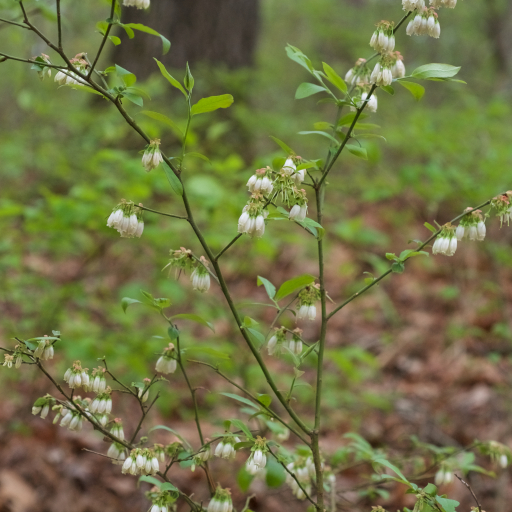
Plant Overview
Often called the Rabbit-eye Blueberry, this southern belle is known for its resilience and sweet, dusky fruit. Unlike its finicky northern cousins, Vaccinium virgatum thrives in the heat and humidity of the American Southeast, making it a staple for home orchards from Georgia to Texas. It’s a plant that rewards a little bit of patience with a bounty of berries that are as beautiful as they are delicious.
🔍 How to Identify
- 🫐 The "Rabbit-eye" Fruit: The most famous trait; before the berries ripen into a deep dusty blue, they turn a distinct, pale pinkish-red, strikingly similar to the eye of a white rabbit.
- 🔔 Bell-Shaped Blooms: In early spring, the shrub is draped in clusters of waxy, urn-shaped flowers. These delicate blossoms range from creamy white to soft pink and are a favorite for native "blueberry bees."
- 🍂 Seasonal Foliage: The leaves are elongated, leathery, and slightly waxy. They provide a lush green backdrop in summer before igniting into vibrant shades of orange and deep burgundy when the autumn chill arrives.
🏡 In Your Garden
- 🧪 The Acid Test: These plants are "ericaceous," meaning they crave acidic soil. If your soil pH is too high, the leaves will turn yellow as the plant struggles to eat. Using pine bark mulch or peat moss is the best way to keep them happy and fed.
- 🐝 The Buddy System: Rabbit-eye blueberries are social creatures! Most varieties are not self-fertile, meaning you need to plant at least two different varieties (like 'Tifblue' and 'Climax') nearby so bees can move pollen between them to create fruit.
- ☀️ Heat Hero: While many berry bushes wilt in the sweltering southern sun, this species is exceptionally heat-tolerant and more drought-resistant than other blueberries once its root system is established.
⚠️ Safety & Toxicity
- 🍴 Deliciously Safe: The berries are entirely edible and famous for being packed with antioxidants. They are safe for humans and a healthy, sweet treat for children.
- 🐾 Pet Friendly: Vaccinium virgatum is non-toxic to dogs and cats. While a few dropped berries won't hurt your pet, keep an eye on them to ensure they don't overindulge and end up with a minor upset stomach.
✨ Fun Fact
The Rabbit-eye is one of the longest-lived blueberry species in the world. A well-cared-for bush can continue to produce heavy harvests for over 40 years, often outliving the person who planted it!

Detailed Care Instructions
To grow Vaccinium virgatum (also known as the rabbiteye blueberry), follow these steps:
- Choose a suitable location: Vaccinium virgatum prefers full sun but can tolerate partial shade. Ensure the soil is acidic with a pH level between 4.5 and 5.5. If your soil is not acidic, you may need to amend it with sulfur.
- Prepare the soil: Vaccinium virgatum thrives in well-draining soil rich in organic matter. It is recommended to mix in compost or aged manure before planting. Remove any weeds or grass from the planting area.
- Select and obtain healthy plants: Purchase Vaccinium virgatum plants from a reputable nursery, ensuring they are healthy and disease-free. Ideally, choose young plants with a well-developed root system.
- Planting: Dig holes slightly larger than the root ball of the plant. Space individual plants approximately 4-6 feet apart. Place the root ball in the hole and backfill with the soil mixture. Gently pat the soil around the roots to remove any air pockets.
- Watering: After planting, thoroughly water the plant to settle the soil and provide moisture for the roots. While Vaccinium virgatum is generally drought-tolerant once established, consistent watering is crucial during the first few weeks.
- Mulching: Apply a layer of organic mulch, such as pine straw or wood chips, around the plant. Mulching helps retain moisture, suppress weeds, and maintain cooler soil temperatures.
- Pruning: Vaccinium virgatum benefits from regular pruning to maintain plant health and improve fruit production. Prune during the dormant season, removing any dead, damaged, or overcrowded branches. Thin out the branches, allowing air circulation and sunlight penetration.
- Fertilizing: Vaccinium virgatum typically requires fertilization in early spring and late fall. Use a balanced, slow-release fertilizer formulated for acid-loving plants. Follow the instructions on the fertilizer packaging for application rates.
- Pest and disease control: Monitor your plants for any signs of pests or diseases, such as aphids, mites, or fungal infections. Use appropriate organic or chemical controls if necessary. Maintain good sanitation practices, such as removing fallen leaves and fruits promptly.
- Harvesting: Vaccinium virgatum produces ripe fruits in late spring to early summer, depending on the variety. Harvest the berries as they turn fully blue and easily detach from the stem. Enjoy fresh or preserve the berries for later use.
Remember to do regular maintenance, such as weeding, watering as needed, and monitoring for any issues throughout the growing season.

Place in a bright room that is sun drenched almost all day. Or directly in a south-facing window.

Vaccinium Virgatum is a plant that requires specific watering needs to thrive. It is important to understand how to water this plant to prevent over or under watering, which can lead to damage or deterioration.
Firstly, it is important to consider the soil type and moisture level. Vaccinium Virgatum prefers well-draining soil that is consistently moist, but not waterlogged. If the soil is dry to touch, it is time to water the plant.
When watering, it is best to use a gentle stream of water directly at the soil, avoiding direct contact with the plant leaves. The goal is to water the soil deeply, allowing the roots to absorb the moisture. Watering early in the morning or late afternoon is recommended, as excess water on the leaves can lead to sunburn and fungal growth.
It is recommended to water Vaccinium Virgatum regularly, but avoid overwatering as this can lead to root rot. The frequency of watering will depend on the climate and temperature, but typically once or twice a week is sufficient.
In summary, to water Vaccinium Virgatum without using its common names: ensure the soil is well-draining, water deeply and directly to the soil avoiding the leaves, water regularly but avoid overwatering.
The Vaccinium virgatum plant requires acidic, well-draining soil with a pH ranging from 4.5 to 5.5. Fertilize the plant with a high-acid fertilizer in spring before the new growth begins. Use a fertilizer with an NPK ratio of 4-8-4 or 6-4-4. Avoid using fertilizers containing lime or other alkaline substances. Apply the fertilizer according to the package instructions, making sure not to over-fertilize as this can damage the plant. Water the plant thoroughly after fertilizing.
For optimal growth and health, Vaccinium Virgatum requires a well-draining and acidic soil with a pH range between 4.5 and 5.5. A mixture of peat moss and sand can be used to improve drainage and maintain the desired pH level. This plant prefers a soil with high organic matter content and requires adequate moisture throughout the growing season. The use of fertilizers, especially those high in nitrogen, should be avoided as they may damage the roots and decrease overall plant health.
To propagate this plant, one can take softwood or hardwood cuttings from a healthy parent plant. Softwood cuttings are taken in the spring while hardwood cuttings are taken in the fall. The cuttings should be about 4-6 inches long and include at least two nodes. Remove the lower leaves and dip the cut end in rooting hormone. Plant the cutting in a well-draining potting mix and keep it moist but not soggy. Place it in a bright, indirect light and keep it warm. The cutting should root in about 4-8 weeks and can be transplanted into a larger container or into the ground.








