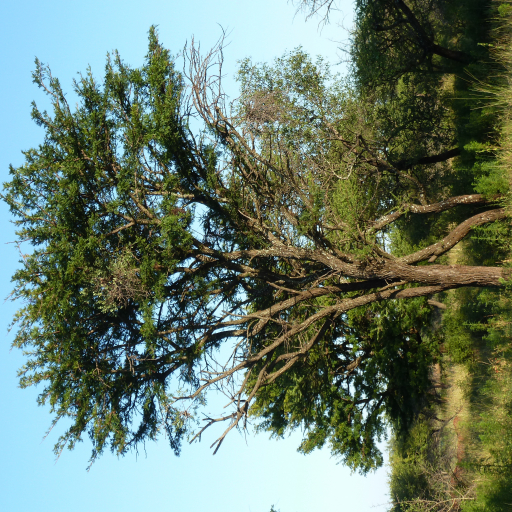
Plant Overview
Known as the "Ankle Thorn" or "Robust Thorn," Vachellia robusta is a magnificent, sturdy tree that commands respect in the African savanna. This tree is a true architectural marvel, often acting as a "living fortress" for birds and insects who seek shelter within its formidable canopy. In many cultures, its hardwood and imposing thorns are symbols of resilience and protection against the elements.
🔍 How to Identify
- 🦷 The Thorns: It features iconic, straight, white thorns that grow in pairs. These thorns are notably thick and "robust" at the base, making them much sturdier than those of its cousins.
- 🌿 The Foliage: The leaves are feathery and twice-compound (bipinnate), giving the tree a soft, fern-like texture that contrasts beautifully with its rugged bark.
- ☁️ The Blooms: In early spring, the tree bursts into life with clusters of sweetly scented, creamy-white "puffball" flowers that resemble tiny exploding stars.
- 🪵 The Bark: Older trees develop a dark grey or brown bark that is deeply fissured and corky, providing a textured look that adds character to any landscape.
🏡 In Your Garden
- 🏗️ Space Seekers: This tree is a fast grower with a deep, powerful taproot. Because of its expansive root system and mature size, it should be planted well away from walls, swimming pools, or underground pipes to avoid structural damage.
- 🐝 Biodiversity Magnet: If you want to invite nature into your yard, this is the tree to plant. It is a favorite of butterflies, bees, and birds, providing both a nectar source and a predator-proof nesting site.
- 🌱 Soil Improver: As a member of the legume family, it possesses the magical ability to "fix" nitrogen in the soil. This means it actually improves the quality of the earth around it, helping neighboring plants thrive.
⚠️ Safety & Toxicity
- ⚔️ Physical Hazard: The primary danger of the Ankle Thorn is its namesake. The thorns are incredibly sharp and strong enough to pierce through thin footwear or skin. Exercise extreme caution when pruning.
- 🐾 Pet & Child Safety: While the tree is generally considered non-toxic to touch, the seed pods should not be ingested by pets or children, as they can cause mild digestive discomfort. Always wear thick gloves when handling branches.
✨ Fun Fact
The "Ankle Thorn" earned its name because its low-hanging, sturdy thorns are perfectly positioned to snag the ankles of unsuspecting hikers or livestock walking through the bush!

Detailed Care Instructions
To grow Vachellia robusta, also known as Acacia robusta or the subfamily Acacieae, you can follow these steps:
- Choose a suitable location: Vachellia robusta thrives in full sun and requires well-drained soil. Ensure the area has enough space for the plant to grow as it can reach heights of up to 40 feet.
- Prepare the soil: Before planting, prepare the soil by loosening it to a depth of around 12 inches. Remove any weeds or grass from the area.
- Germinate the seeds: Soak the seeds of Vachellia robusta in warm water overnight to promote germination. Afterward, plant the seeds 1 inch deep in the prepared soil. Space the seeds at least 10 feet apart to allow for proper growth.
- Watering: Keep the soil moist but avoid overwatering. Water the plant regularly, especially during the dry summer months. However, make sure the soil has proper drainage to avoid waterlogging.
- Mulching: Apply a layer of organic mulch like wood chips or shredded leaves around the base of the plant. This helps retain moisture, suppress weeds, and provide nutrients as it breaks down.
- Pruning: Prune the plant regularly to remove dead or damaged branches, promote growth, and maintain its shape. Pruning is typically done during the dormant season.
- Fertilization: Vachellia robusta usually doesn't require heavy fertilization. However, if the soil is poor in nutrients, you can apply a balanced slow-release fertilizer during the growing season.
- Protection from pests and diseases: Monitor the plant for any signs of pests or diseases such as aphids or leaf spots. Treat the plant with appropriate organic or chemical solutions if necessary.
- Staking: In the initial years, when the plant is still young and growing, you may need to provide support by staking it to prevent it from leaning or getting damaged due to strong winds.
By following these steps and providing proper care, your Vachellia robusta plant should grow and thrive.
To water this plant, allow the top inch of soil to dry out before watering again. Use lukewarm water and water thoroughly, ensuring the water reaches the roots of the plant. Avoid getting water on the leaves as this can cause damage. In dry climates, it may be necessary to water the plant more frequently. Use a well-draining potting mix and ensure that the pot has drainage holes to prevent waterlogging. During the winter months, reduce watering frequency as the plant may go into dormancy.
To fertilize this plant, apply a balanced fertilizer once a year in the early spring, just before new growth appears. Use a slow-release fertilizer or organic compost, and spread it evenly around the base of the plant. Water thoroughly after applying the fertilizer to help it soak into the soil. Be sure to follow the recommended rates and precautions on the fertilizer packaging to avoid over-fertilization.
The recommended soil for the plant in question should be well-draining, with a pH of 6.5-7.5. It should have good nutrient content and be able to hold moisture well without becoming waterlogged. A mixture of loamy soil, sand, and compost is ideal. The soil should be rich in organic matter but not overly fertile, as this can lead to excessive growth. Additionally, the plant prefers a soil that is slightly acidic to neutral, and doesn't tolerate soils that are too alkaline. Overall, it's essential to ensure that the soil is suitable for the plant's specific needs to facilitate healthy growth and development.
Vachellia robusta plant can be propagated by using seeds or cuttings. To propagate this plant using seeds, collect mature pods from the tree and allow them to dry out. Once the pods are completely dried, open them and remove the seeds. Soak the seeds in water for a few hours and then plant them in potting soil. Keep the soil moist by watering regularly, and place the pot in a bright and warm location to encourage germination.
To propagate the plant using cuttings, take a stem cutting of about 10-15 cm in length from a healthy parent plant. Remove all the leaves except for a few at the top and dip the base of the cutting into rooting hormone powder. Then, plant the cutting in potting soil and water it immediately. Cover the pot with a plastic wrap or a plastic bag to create a humid environment, and place it in a bright and warm spot.
Both methods of propagation require patience and care. It may take several weeks to a few months for the plant to establish and develop roots. Once the plant has developed roots, it can be transplanted into a larger container or directly into the ground.








