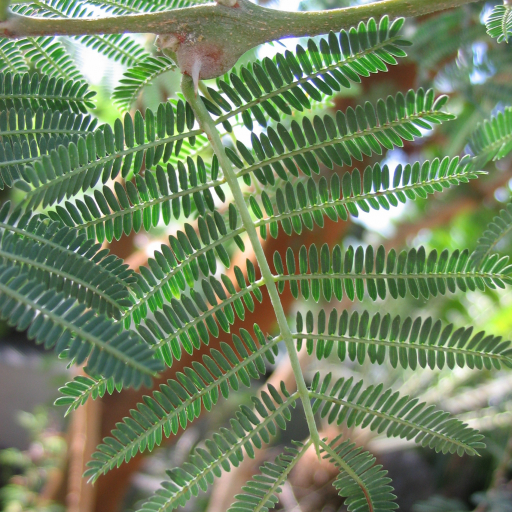
Plant Overview
Known as the "Red Acacia" or "Shittim Wood," Vachellia seyal is an iconic silhouette of the African savannah. It is legendary for its shimmering, colorful bark and its historical role as the sacred timber used to build the biblical Ark of the Covenant. This hardy survivor thrives in challenging conditions, painting arid landscapes with hues of rust-red and gold.
🔍 How to Identify
- 🪵 The Bark: Its most striking feature is the powdery, exfoliating bark that peels away to reveal a vivid rust-red or a pale, minty-green trunk underneath.
- 🌳 Canopy Shape: It typically grows into a medium-sized tree with a classic "flat-topped" or umbrella-shaped canopy, providing dappled shade.
- 🌼 Golden Puffballs: During the blooming season, the tree is covered in bright yellow, spherical flower clusters that emit a sweet, honey-like fragrance.
- ⚔️ Paired Thorns: The branches are armed with straight, white thorns that grow in pairs, often reaching up to 3 inches in length.
🏡 In Your Garden
- 💧 Drought Champion: This tree is built for dry spells and extreme heat. Once established, it requires almost no supplemental watering, making it an excellent choice for xeriscaping or desert-themed gardens.
- ☀️ Sun Seeker: It demands full, unobstructed sunlight to maintain its structural integrity and the vibrant pigment of its bark. It will struggle or become "leggy" in shaded spots.
- 🍯 Pollinator Magnet: The fragrant yellow blooms are a high-value food source for bees and butterflies. In its native habitat, it is also a primary producer of "Gum Arabic," a sap used in everything from candy to art supplies.
⚠️ Safety & Toxicity
- 🌵 Physical Hazard: The primary danger of the Red Acacia is its long, sharp spines. It should be planted away from walkways, patios, or areas where children and pets play to avoid painful punctures.
- 🐾 Pet Safety: While the foliage is generally non-toxic and even used as fodder for goats and camels in the wild, the seeds and pods should not be consumed by domestic pets as they can cause mild digestive upset.
- 🧤 Protective Gear: Always wear thick, puncture-proof gardening gloves and eye protection when pruning or handling this tree.
✨ Fun Fact
Many historians and botanists believe that Vachellia seyal is the "Shittim wood" mentioned in the Book of Exodus. Its wood is incredibly dense, heavy, and resistant to decay and wood-boring insects, which made it the ideal material for constructing the most sacred objects of antiquity.

Detailed Care Instructions
To grow Vachellia seyal (Acacia seyal) plants, you can follow these steps:
- Obtain seeds: Purchase Vachellia seyal seeds from a reliable source or collect them yourself from mature pods.
- Seed treatment (optional): Some seeds may benefit from scarification to enhance germination. Gently file or nick the hard seed coat with a small file or knife. Soaking the seeds in hot water overnight can also help improve germination rates. This step is optional but can increase success.
- Soil preparation: Vachellia seyal thrives in well-draining soil. Use a mix featuring equal parts sand, garden soil, and compost or potting mix. Ensure the soil is loose and fertile.
- Sowing seeds: Sow the treated seeds about 1/4 inch (0.6 cm) deep in small pots or seed trays. Plant one seed per container. Alternatively, you can sow directly in well-prepared soil outdoors if the conditions are favorable.
- Watering: Keep the soil moist but not waterlogged while the seeds germinate. Use a fine mist sprayer or a watering can with a rose attachment to avoid washing away the seeds.
- Provide light: Place the pots or seed trays in a well-lit area, preferably receiving indirect sunlight. Provide sufficient light for the seedlings to grow.
- Transplanting: Once the seedlings have grown to a suitable size, typically around 4-6 inches (10-15 cm), they can be transplanted. Choose a planting site with full sunlight. Space the plants apart according to their mature size (check the plant's specifications for spacing requirements).
- Soil moisture: Vachellia seyal prefers well-drained soil but also likes consistent moisture. Water the plants regularly, especially during dry spells or when they are establishing.
- Pruning (optional): Trim back any dead or damaged branches to maintain a healthy and attractive shape. Avoid excessive pruning as it may reduce flower and seed production.
- Mulching and weeding: Apply a layer of organic mulch around the plants to conserve moisture and suppress weed growth.
- Pests and diseases: Monitor the plants for any signs of pests or diseases. Common issues include aphids, spider mites, and fungal diseases. Use appropriate insecticides or fungicides, if necessary.
- Patience: Vachellia seyal is a slow-growing plant, so be patient with its growth and development. It may take several years to reach maturity and produce viable seeds.
Remember to research and understand the specific requirements of Vachellia seyal, as local conditions and climate may affect its growth.
To properly water this plant, you should first consider the environment in which it is growing. Factors such as temperature, humidity, and sunlight can affect the amount of water this plant needs. It is important not to overwater or underwater, as both can be harmful to the plant.
To water, fill a watering can or bucket with clean, room temperature water. Slowly pour the water onto the soil around the base of the plant, avoiding the leaves and stem. Allow the water to soak into the soil, checking periodically to ensure that the water is penetrating deeply and evenly.
Monitor the soil moisture regularly by touching the top layer of soil with your finger. If the soil feels dry to the touch, it's time to water. If it feels moist, wait a day or two before watering again. You should aim to keep the soil consistently but not excessively moist.
During hot weather or when the plant is in full sun, the plant may need more frequent watering than in cooler or shadier conditions. However, always be sure to check the soil moisture level before watering to avoid overwatering.
It is also important to avoid leaving the plant in standing water, as this can lead to root rot and other diseases. Ensure that the pot or container has proper drainage to allow excess water to flow out.
To fertilize this plant, use a balanced fertilizer with equal amounts of nitrogen, phosphorus, and potassium. Apply the fertilizer during the active growth season, which is typically in the spring and summer months. Be careful not to over-fertilize as this can cause harm to the plant. Read the instructions on the fertilizer label carefully and apply the appropriate amount based on the size of your plant. Water your plant thoroughly after fertilizing.
The ideal soil for Vachellia Seyal plant is a well-draining soil that has a slightly acidic to alkaline pH level. It should also be rich in nutrients, particularly nitrogen and potassium. The soil should be able to retain moisture, but not be too boggy or waterlogged, as this can lead to root rot. Organic matter, such as compost or well-rotted manure, can be added to improve the soil quality. Additionally, the plant prefers a warm and sunny location, with protection from strong winds.
To propagate this plant, you will need to collect seeds from the ripe pods. Next, soak the seeds in warm water for at least 24 hours to soften their hard outer coating. Plant the seeds in a seedbed or individual pots with well-draining soil mixture. Water them regularly and keep the soil moist.
It may take up to 3-4 weeks for the seeds to germinate. Once the plants have established roots and have grown to about 6-8 inches, they can be transplanted to their permanent location.
Another method of propagation is through stem cuttings. Take cuttings of about 8-10 inches from a healthy parent plant. Remove the leaves from the lower half of the stem, and dip the cut end of the stem in a rooting hormone. Plant the stem in a well-draining soil mix in a pot, and place the pot in a warm and bright location. Keep the soil moist and wait for new roots to develop.
Once the stem has established roots, it can be transplanted to the permanent location. Transplant during the cool season to avoid transplant shock.








