Plant Overview
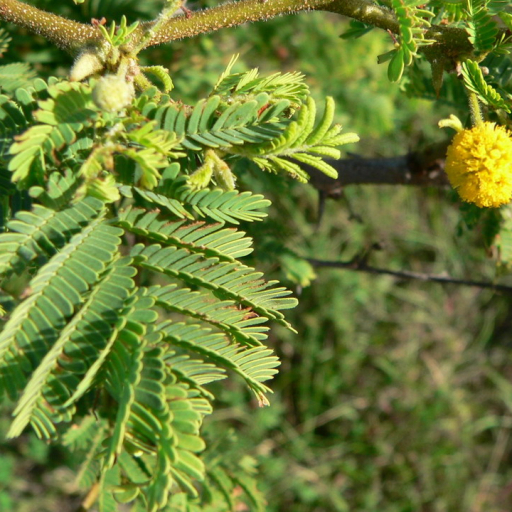
Commonly known as the Twisted Acacia or Poponax, this resilient shrub is a master of the arid landscape. Its scientific name, tortuosa, perfectly describes its zig-zagging, winding branches that look as though they have been sculpted by desert winds. Native to the Caribbean, Central America, and parts of the Southern United States, it is a pioneer species that brings life and a sweet, honey-like fragrance to harsh, dry environments.
🔍 How to Identify
- 🌿 Zig-Zag Stems: The most defining feature is the "tortuous" growth of its branches, which change direction at every leaf node, creating a tangled, artistic skeleton.
- 🌼 Golden Puffballs: It produces bright yellow, spherical flower heads that look like tiny pom-poms. These are highly fragrant and usually appear after a good rain.
- ⚔️ Cylindrical Pods: Unlike many other acacias with flat pods, this species grows dark brown, woody seed pods that are distinctly cylindrical and slightly constricted between the seeds.
- ☁️ Feathery Foliage: The leaves are "bipinnate," meaning they are divided into tiny, delicate leaflets that give the tree a soft, fern-like appearance despite its rugged nature.
🏡 In Your Garden
- 🌵 The Xeriscape Hero: This plant is incredibly "water-wise." It has evolved to thrive in poor, rocky, or sandy soils where other plants might wither. It is an excellent choice for gardeners looking to conserve water while still supporting local wildlife.
- 🦋 A Pollinator Hub: The fragrant yellow blooms are a magnet for honeybees and butterflies. If you are building a habitat garden, this tree provides both a high-energy food source and a protective nesting site.
- 🛡️ Living Security: Because of its dense growth habit and sharp spines, it is often used as a "living fence." It’s a natural way to create a perimeter that discourages intruders while providing a safe haven for small birds.
⚠️ Safety & Toxicity
- 🌵 Physical Hazard: While not known for being chemically toxic to humans, the long, straight thorns are a significant physical hazard. They are sharp enough to puncture skin and even thin-soled shoes.
- 🐾 Placement is Key: Keep this plant away from walkways, play areas, or paths where pets and children frequently run. It is best used as a background specimen where its beauty can be admired from a safe distance.
✨ Fun Fact
In some regions, the Twisted Acacia is nicknamed the "Cousin of the Perfume Tree." It is closely related to Vachellia farnesiana, the plant used in the French perfume industry to create the famous "Mimosa" scent. While tortuosa isn't used for high-end perfume, its flowers still carry a similarly intoxicating, sweet aroma.

Detailed Care Instructions
Vachellia tortuosa, also known as twisted acacia, is a slow-growing plant that is native to arid regions of Africa. Here are some tips on how to grow this plant:
- Climate: Vachellia tortuosa thrives in hot and dry climates. It is best grown in USDA hardiness zones 9-11.
- Soil: This plant prefers well-draining soil with a slightly alkaline pH. Sandy or loamy soil works well for Vachellia tortuosa.
- Watering: While Vachellia tortuosa is drought-tolerant, it still needs occasional watering during dry periods. Water deeply but infrequently to encourage deep root growth.
- Sunlight: This plant prefers full sunlight, so make sure to plant it in a location where it will receive at least 6 hours of sunlight per day.
- Pruning: Prune Vachellia tortuosa to remove any dead or damaged branches and to maintain its desired shape. Pruning is best done in late winter or early spring.
- Fertilizing: This plant does not require much fertilization. You can apply a balanced fertilizer in the spring if needed.
- Propagation: Vachellia tortuosa can be propagated from seeds or cuttings. Seeds can be sown in well-draining soil in the spring. Cuttings can be taken from the plant in the spring or summer and rooted in a well-draining medium.
By following these tips, you can successfully grow Vachellia tortuosa in your garden. It may take some time for the plant to establish and start growing, but with proper care, it will eventually thrive and become a beautiful addition to your landscape.
Vachellia Tortuosa plants should be watered deeply and infrequently, allowing the soil to dry out slightly between waterings. When watering, saturate the soil around the plant's root system thoroughly, making sure that the water penetrates deeply into the ground. Avoid frequent light waterings, as this can lead to shallow root growth and make the plant more susceptible to drought stress.
It is important to adjust the watering frequency according to the plant's growth stage and the environmental conditions. During hot, dry weather, the plant may require more frequent watering to prevent dehydration. On the other hand, during cooler, moist periods, waterings can be reduced to prevent waterlogging and root rot.
To determine when to water, check the soil moisture level by inserting your finger into the soil. If the top few inches are dry, it's time to water. Additionally, pay attention to any signs of stress in the plant, such as wilting or yellowing leaves, which may indicate a need for more water.
When watering, aim to water the base of the plant rather than the foliage, as wet leaves can promote the growth of fungal diseases. Mulching around the base of the plant can also help retain soil moisture and reduce the frequency of waterings.
Overall, providing the right amount of water at the right time is essential for the health and vitality of Vachellia Tortuosa plants. By following these guidelines, you can help ensure that the plant thrives in its environment.
To fertilize Vachellia Tortuosa, use a balanced, slow-release fertilizer in the early spring before new growth begins. Follow the instructions on the fertilizer package for the correct dilution ratio and application method. Water the plant thoroughly after fertilizing to help the nutrients penetrate the soil. Avoid over-fertilizing as this can damage the plant's roots. Repeat the fertilizing process in the early summer if necessary.
The Vachellia Tortuosa plant thrives in well-draining soil that is sandy or loamy in texture. It prefers a neutral to slightly acidic pH level between 6.0 to 7.5. The soil should be nutrient-rich with a good amount of organic matter to support healthy growth. It is also important to ensure that the soil is not waterlogged, as this can lead to root rot and other issues. Adding perlite or sand to the soil mixture can improve drainage and prevent water from pooling around the plant's roots. Additionally, regular fertilization with a balanced, water-soluble fertilizer can help promote vigorous growth and vibrant foliage.
Vachellia Tortuosa plants can be propagated through various methods such as seeds, cuttings, or division. To propagate this plant using seeds, collect mature pods and remove the seeds from them. Soak the seeds in water for 24 hours to soften the hard outer coating. Sow the seeds in a well-draining soil mix and keep them moist until germination occurs.
To propagate through cuttings, select a healthy stem from the plant and make a clean cut just below a node. Remove the lower leaves and dip the cut end in rooting hormone. Plant the cutting in a pot with well-draining soil and keep it moist until roots develop.
Another method of propagation is division, where the plant is divided at the roots into smaller sections. This is typically done when repotting the plant and can help create new plants from the existing root system.
Regardless of the propagation method chosen, it is important to provide the newly propagated plants with appropriate care such as regular watering, sunlight, and protection from pests and diseases. It may take some time for the plants to establish and grow, but with proper care, they will eventually thrive and produce new growth.








