Plant Overview
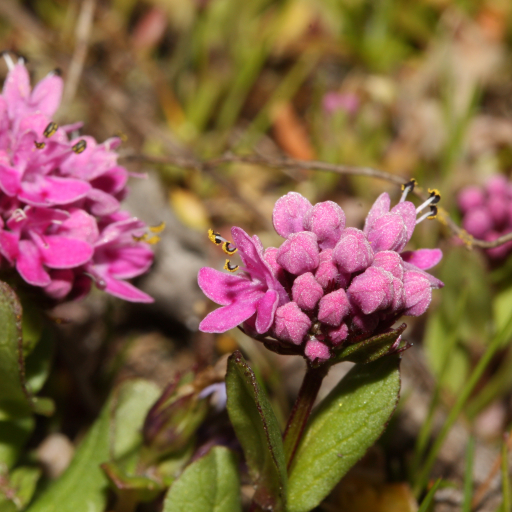
Commonly known as Sea Blush or Rosy Plectritis, this delicate wildflower is a hallmark of spring in Western North America. It is famous for transforming rocky coastal bluffs and open meadows into a "sea" of vibrant pink. While it looks fragile, it is a hardy annual that has mastered the art of blooming quickly to take advantage of early spring moisture before the summer sun arrives.
🔍 How to Identify
- 🌸 The "Pom-Pom" Bloom: The most striking feature is the dense, rounded cluster of tiny pink to white flowers that sit at the very top of the stem.
- 🍃 Opposite Leaves: Look for smooth, oval-shaped leaves that grow in pairs directly opposite each other along the stem.
- 📏 Sturdy Stems: Despite its dainty appearance, the stems are surprisingly stiff and upright, usually reaching about 4 to 20 inches in height depending on soil quality.
🏡 In Your Garden
- 🌱 Ephemeral Beauty: Because this is an "obligate annual," it completes its entire life cycle in just a few months. If you plant it, don't be alarmed when it withers in late June; it is simply putting all its energy into dropping seeds for next year.
- 🦋 Pollinator Party: This plant is a critical early-season food source. It is particularly beloved by the Taylor’s Checkerspot butterfly and various species of hoverflies and native bees that emerge while other flowers are still dormant.
⚠️ Safety & Toxicity
- ✅ Non-Toxic: Valeriana congesta is generally considered safe and non-toxic for humans, dogs, and cats.
- 🌾 Allergy Note: While not poisonous, the high density of pollen in large patches of Sea Blush can occasionally trigger mild hay fever in sensitive individuals during peak bloom.
✨ Fun Fact
Sea Blush is a master of disguise! Within a single population, you can find two different "morphs": some plants produce seeds with "wings" to fly away on the wind, while others produce wingless seeds that drop straight to the ground to ensure the colony stays in a proven, healthy spot.

Detailed Care Instructions








