Plant Overview
Known as the Mexican Vanilla Orchid, this climbing vine is a wild relative of the plant that gives us the world’s favorite flavor. Unlike its famous cousin used for commercial extract, Vanilla mexicana is a rare, elusive beauty found draping through the humid hardwood hammocks of Mexico, Central America, and southern Florida. It is a true botanical survivor, blending the elegance of an orchid with the rugged persistence of a jungle vine.
🔍 How to Identify
- 🌿 Succulent Foliage: The leaves are thick, leathery, and elliptic. They have a waxy sheen that helps the plant retain moisture in the humid canopy.
- 🦎 Vining Habit: This is a "hemiepiphyte," meaning it starts its life on the ground but quickly uses aerial roots to "walk" up tree trunks toward the sunlight.
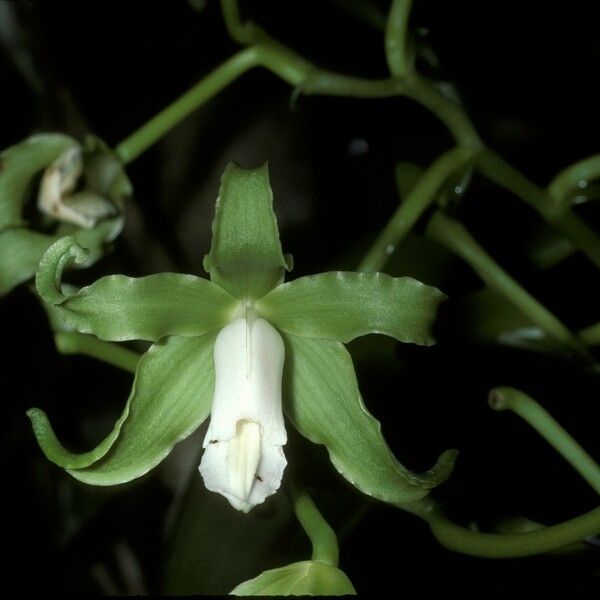
- 🌸 Greenish Blooms: The flowers are short-lived and subtle, featuring creamy white to pale green petals with a trumpet-shaped lip. They are beautiful but often hidden high in the branches.
🏡 In Your Garden
- 🧗 Support is Essential: If you are lucky enough to grow this orchid, remember it is a climber. It won't thrive in a standard pot; it needs a totem, trellis, or a rough-barked tree to cling to with its fleshy roots.
- ☁️ Humidity over Water: Because it draws much of its moisture from the air, it despises "wet feet." It prefers a high-humidity environment with dappled sunlight, mimicking the filtered light of a forest canopy.
- 🍃 Sensitive Roots: Like most wild orchids, it has a complex relationship with soil fungi. Avoid frequent repotting, as disturbing the root system can cause the plant to sulk or stop growing for an entire season.
⚠️ Safety & Toxicity
- ✅ Non-Toxic: Vanilla mexicana is generally considered non-toxic to humans and common household pets like cats and dogs.
- 🧪 Skin Irritation: Some people may experience mild skin irritation (contact dermatitis) from the sap of the vine if it is cut or broken. It is always a good idea to wear gloves when pruning orchids.
✨ Fun Fact
While commercial vanilla is mostly pollinated by hand today, wild Vanilla mexicana relies on the tiny, metallic-green Melipona bee. Because these bees are only found in specific regions, the orchid remained a mysterious Mexican secret for centuries before Europeans figured out how to pollinate it!

Detailed Care Instructions
To grow Vanilla Mexicana plants, follow these steps:
- Obtain Vanilla Mexicana plant: Purchase a young Vanilla Mexicana plant from a reputable nursery or online supplier. Ensure that the plant is healthy and disease-free.
- Choose the right location: Vanilla Mexicana plants thrive in warm, tropical climates. They require high humidity and indirect sunlight. Select a location that receives bright but filtered light.
- Prepare the soil: Vanilla Mexicana plants prefer well-draining soil with a slightly acidic pH. Use a mixture of peat moss, perlite, and orchid bark to create a loose and well-aerated soil.
- Planting: Choose a container or orchid basket with good drainage. Fill it with the prepared soil mix. Gently remove the plant from its nursery pot, shake off excess soil, and place it in the new container. Make sure the rootball is secure but not overly compacted.
- Watering: Vanilla Mexicana plants require regular watering to maintain a consistently moist but not waterlogged soil. Water thoroughly, allowing excess water to drain away. Avoid standing water, as it can cause root rot.
- Climate control: Maintain a warm and humid environment for optimal growth. Place the plant in a greenhouse, conservatory, or indoors near a humidifier. Alternatively, you can mist the leaves regularly to increase humidity.
- Support for climbing: Vanilla Mexicana plants are epiphytic climbers and require support to grow vertically. Provide a trellis, moss stick, or other supports for the plant to cling to as it grows.
- Fertilization: Feed the plant with a balanced orchid fertilizer every two weeks during the active growing season (spring and summer). Follow the fertilizer manufacturer's instructions for dosage and application.
- Pruning: Once your Vanilla Mexicana plant starts to vine, you can trim it to encourage bushier growth. Prune the tips of vines to promote branching and denser foliage. Use clean and sharp pruners to avoid damaging the plant.
- Pollination: Vanilla Mexicana plants are self-fertile, but they require hand pollination to set fruit. Use a small brush to imitate the action of insects by gently transferring pollen from the anther to the stigma.
- Harvesting: Vanilla Mexicana plants produce vanilla beans that can be harvested once they turn dark brown and become aromatic. Allow the beans to fully mature on the plant before harvesting.
Remember to research specific care requirements for Vanilla Mexicana plants and adjust your approach accordingly. Patience is key, as it may take several years for the plant to reach maturity and start producing vanilla beans.
To maintain adequate moisture levels for this plant, water it regularly. Check the soil moisture level by inserting your finger into the soil approximately an inch deep. If the soil feels dry, it's time to water.
The watering frequency will depend on factors such as the size of the pot, the type of soil, and the amount of light and humidity the plant receives. Ensure that the water drains well, as stagnant water can lead to root rot.
Avoid overwatering, as this can cause the plant's roots to suffocate. If the soil remains wet for an extended period, it can cause the plant's leaves to yellow and droop, indicating that it's a sign of overwatering.
Water the plant in the early morning or evening when the temperature is cooler and evaporation is slower. This will allow the plant to absorb water and nutrients without drying out too quickly.
Overall, it's essential to keep a consistent watering schedule, without letting the plant dry out or become waterlogged, to ensure its health and growth.
To fertilize this plant, mix a balanced fertilizer with equal amounts of nitrogen, phosphorus, and potassium. During the growing season, apply the fertilizer every two weeks. Dilute the fertilizer by half and apply to the soil around the base of the plant. Be careful not to get the fertilizer on the leaves or stem as it can burn the plant. Water the plant well after fertilizing. During the dormant season, reduce fertilizing to once a month.
For optimal growth, it is recommended to use a well-draining and nutrient-rich soil with a slightly acidic pH level. The soil should be loose and aerated to allow for proper root development and water absorption. It is also important that the soil has a good moisture-retaining capacity to ensure adequate hydration for the plant. Avoid using heavy, compacted soils as they can lead to poor drainage and root rot. Adding organic matter such as compost or peat moss can improve soil quality and provide essential nutrients.
Vanilla Mexicana is a popular plant that can be propagated in various ways, including stem cuttings and seed propagation. A stem cutting involves taking a small section of the stem from the plant and rooting it in moist soil or water. To do this, use a clean, sharp pair of scissors or pruning shears to make a clean cut at a 45-degree angle. Remove any leaves or flowers from the stem and then dip the cut end into rooting hormone powder. Then, plant the cutting into moist soil or water and keep it in a warm, bright location until roots begin to form.
Seed propagation is another method of propagating Vanilla Mexicana. To do this, collect ripe seeds from the plant, remove any pulp or debris, and then soak them in water for several hours to soften the seed coat. Next, sow the seeds into a moist potting soil or seed-starting mix and place in a warm, bright location. Keep the soil moist and cover the container with a plastic bag to create a humid environment. The seeds should germinate within a few weeks.
Both of these methods of propagation can be effective for increasing your collection of Vanilla Mexicana plants. With proper care and attention, your new plants will grow and thrive in no time!








