Plant Overview
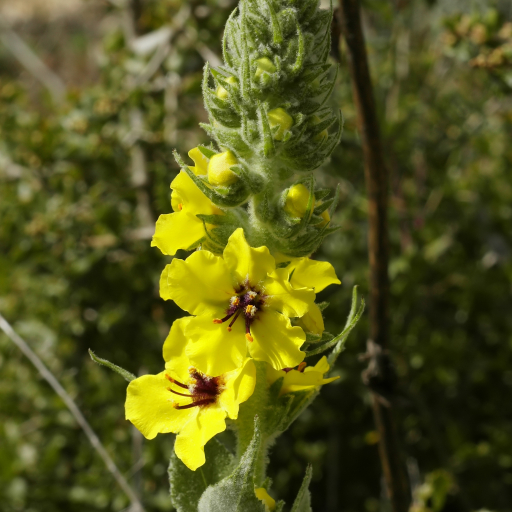
Known as Boerhaave's Mullein, this silver-tongued Mediterranean native is a standout in any dry garden. Named after the famous Dutch botanist Herman Boerhaave, it carries an air of old-world botanical elegance. With its towering spikes of buttery yellow flowers and velvet-soft foliage, it acts as a natural "architectural" plant that thrives where others might wither.
🔍 How to Identify
- ☁️ Velvety Foliage: The leaves are thick, broad, and covered in a dense layer of silver-white hairs, giving the plant a ghostly, frosted appearance.
- 🟡 Clustered Blooms: Unlike some mulleins that flower sparsely, this species produces dense, bright yellow blossoms with distinctive violet-hairy filaments at the center.
- 📏 Stately Stature: It typically grows as a basal rosette (a circle of leaves on the ground) in its first year, before shooting up a sturdy, unbranched flowering stalk that can reach over three feet in height.
🏡 In Your Garden
- ☀️ Sun Seeker: This plant is a true sun-worshipper. It produces those thick, silver hairs specifically to reflect intense sunlight and trap moisture, making it incredibly drought-tolerant.
- 🌱 The Taproot Rule: Because it develops a deep, singular taproot to find water, it strongly dislikes being moved. Plant it exactly where you want it to stay, as transplanting often leads to shock.
- 🦋 Pollinator Magnet: The flowers are a high-value target for hoverflies and bees. In a "wild" or gravel garden, it serves as a vital skyscraper of nectar during the mid-summer heat.
⚠️ Safety & Toxicity
- 🌼 Mild Irritant: While not considered deadly, the fine "wool" on the leaves can cause mechanical irritation to the skin or eyes of curious pets and children.
- 🐟 Aquatic Warning: Historically, Verbascum seeds contain saponins and were used to stun fish in still water. Keep the seeds away from ornamental fish ponds.
- 🐾 Pet Safety: Generally safe if nibbled, but the fuzzy texture usually discourages most cats and dogs from taking a second bite.
✨ Fun Fact
In ancient folklore, the dried stalks of Mullein plants were often dipped in suet or wax to be used as torches. Because of this, one of the common nicknames for the broader Verbascum family is "Hag's Taper" or "Candlewick Plant."

Detailed Care Instructions
| Humidity | Normal |
| Difficulty | Medium |
| Hibernation | Cold Period |
| Temperature | 20°C - 25°C |
| Hardiness Zones | 7A - 10B |
To grow Verbascum Boerhavii plants, follow these steps:
- Choose a suitable location: Find a sunny spot in your garden that receives at least 6-8 hours of direct sunlight daily.
- Prepare the soil: Verbascum Boerhavii prefers well-draining soil. Amend the soil with organic matter like compost or well-rotted manure to improve drainage and fertility.
- Sow the seeds: Either sow the seeds directly in the garden bed or start them indoors 6-8 weeks before the last expected frost date in your area. If starting indoors, sow the seeds in seed trays or small pots filled with potting soil. Plant the seeds at a depth of about 1/8 inch and gently water.
- Transplanting: If you started the seeds indoors, transplant the seedlings outdoors after the last frost date. Space the seedlings about 12-18 inches apart to allow for proper air circulation.
- Watering: Water the plants thoroughly after transplanting and continue to provide regular watering. Keep the soil consistently moist but not waterlogged. Watering deeply once a week is usually sufficient.
- Mulching: Apply a layer of mulch around the base of the plants to help retain moisture in the soil and suppress weed growth. Mulching also helps to regulate soil temperature.
- Fertilizing: Verbascum Boerhavii typically does not require heavy fertilization. However, you can apply a balanced, slow-release fertilizer according to the manufacturer's instructions during the growing season to promote healthy growth.
- Pruning: Remove any dead flowers or damaged leaves regularly to maintain plant health and promote new growth. Additionally, pruning can prevent self-seeding and help control the spread of the plant.
- Pests and diseases: Keep an eye out for common pests like aphids or caterpillars. If necessary, use organic pest control methods or insecticidal soap. Verbascum Boerhavii is generally resistant to diseases but can be susceptible to powdery mildew in humid conditions. Adequate air circulation and proper watering can help prevent this.
- Propagation: Verbascum Boerhavii can self-seed, but if you want to propagate additional plants, collect seeds from mature seed pods and sow them in the desired location in autumn or early spring.
By following these steps, you can successfully grow Verbascum Boerhavii plants and enjoy their beautiful, showy flowers in your garden.

Place in a bright room that is sun drenched almost all day. Or directly in a south-facing window.

Verbascum boerhavii is a species of flowering plant that belongs to the family Scrophulariaceae. To ensure proper growth and health, it is essential to provide adequate water to this plant. Here are some guidelines on how to water Verbascum boerhavii:
1. Observe the soil: Before watering, check the moisture level of the soil. Insert your finger about an inch deep into the soil to see if it feels dry. Verbascum boerhavii prefers moderately moist soil, so you don't want it to be too dry or waterlogged.
2. Watering frequency: Depending on the climate and environmental conditions, Verbascum boerhavii may need to be watered once or twice a week. However, it's crucial to adjust the frequency to prevent overwatering, which can lead to root rot or other fungal diseases.
3. Water deeply: When watering, make sure to provide enough water to reach the plant's root zone. Shallow watering leads to shallow root development, making the plant more susceptible to drought stress. Watering deeply encourages the roots to grow deeper into the soil, improving overall plant health.
4. Time of day: It is generally recommended to water Verbascum boerhavii in the early morning or late evening. Watering during these cooler parts of the day helps reduce evaporation and allows the plant ample time to absorb the moisture before the sun becomes too intense.
5. Watering technique: To prevent water from splashing onto the foliage, it is advisable to water at the base of the plant. This method ensures that the water reaches the root zone directly, where it is needed the most. Avoid overhead watering methods, as wet foliage can lead to diseases.
6. Mulching: Apply a layer of organic mulch around the base of the Verbascum boerhavii plant. Mulch helps retain soil moisture, reduces weed growth, and regulates soil temperature. This can be particularly beneficial during hot and dry periods.
7. Monitor for signs of under or overwatering: Regularly inspect your plant for any signs of water stress. Wilting leaves, yellowing foliage, or a stunted growth rate could indicate that the Verbascum boerhavii plant is not receiving enough water. On the other hand, if the leaves are turning brown, or the soil is consistently wet, this can suggest overwatering.
Remember that while these guidelines serve as a general reference, each plant's water requirements may vary slightly. It is always essential to consider factors such as climate, soil type, and individual plant needs when determining the correct watering regimen for your Verbascum boerhavii.
To fertilize Verbascum Boerhavii plant, follow these instructions:
- Choose a balanced fertilizer with an NPK ratio of around 10-10-10 or similar.
- Dilute the fertilizer according to the manufacturer's instructions, usually mixing it with water.
- Apply the fertilizer during the plant's active growing season, usually in spring or early summer.
- Begin by moistening the soil around the base of the plant before feeding it to prevent any potential root damage.
- Apply the diluted fertilizer evenly around the plant, avoiding direct contact with the leaves or stems.
- Water the plant immediately after fertilization to help distribute the nutrients and prevent any potential burning.
- Repeat the fertilization process every 4-6 weeks throughout the growing season, but remember not to over-fertilize.
- Monitor the plant for any signs of nutrient deficiencies or excesses, such as yellowing leaves or stunted growth.
- Adjust the fertilization schedule or amounts if necessary, based on the plant's response and specific needs.
- Always follow the recommended dosage and application guidelines to ensure proper growth and prevent any harm to the plant.
Verbascum Boerhavii is a perennial plant belonging to the family Scrophulariaceae. When selecting the soil for this plant, it is important to consider its natural habitat and growth requirements. Verbascum Boerhavii is native to open, rocky habitats, typically found in mountainous regions with well-draining soil conditions.
To replicate its preferred growing environment, it is best to use a well-draining soil mixture. This ensures that excess water does not accumulate around the roots, which can lead to root rot or other moisture-related issues. Typically, a sandy or loamy soil with excellent drainage properties is suitable for Verbascum Boerhavii.
A pH level ranging from neutral to slightly alkaline is preferred by this plant. A pH level between 6.5 and 7.5 is generally optimal. Testing the soil's pH level and making any necessary adjustments can help ensure optimal growth and health of the Verbascum Boerhavii.
Additionally, it is recommended to amend the soil with organic matter before planting Verbascum Boerhavii. This can improve the overall soil structure, nutrient content, and moisture-retention ability. Adding compost or well-rotted manure to the soil will provide essential nutrients and promote root development.
Overall, choosing a well-draining soil with a slightly alkaline pH and amending it with organic matter will create a favorable growing environment for the Verbascum Boerhavii plant, allowing it to thrive and produce beautiful blooms.
Propagation of Verbascum Boerhavii plant can be done through various methods such as seed propagation, division, or stem cuttings. Here are the detailed steps for each method:
- Seed propagation:
- Collect mature seeds from the plant when the seed pods have turned dry and brown.
- Prepare a well-draining potting mix by combining equal parts of compost, sand, and perlite.
- Moisten the soil mixture slightly and fill small trays or seed pots with it.
- Sow the seeds on the soil surface, pressing them lightly into the soil without covering them completely.
- Place the trays or pots in a warm area with indirect sunlight.
- Keep the soil consistently moist but not waterlogged during the germination period, which usually takes around 2-3 weeks.
- Once the seedlings have developed true leaves, transplant them into individual pots or a garden bed.
- Collect mature seeds from the plant when the seed pods have turned dry and brown.
- Division:
- Choose a mature plant with healthy growth and numerous stems.
- Dig around the plant, careful not to damage the roots, and lift it from the ground.
- Gently separate the plant into smaller clumps by pulling the root ball apart with your hands or using a clean, sharp knife or garden tool.
- Each clump should have a sufficient number of roots and shoots to establish itself.
- Replant the divided clumps immediately in a prepared garden bed or containers filled with loose, fertile soil.
- Water the newly divided plants thoroughly and keep the soil slightly moist until they become established.
- Choose a mature plant with healthy growth and numerous stems.
- Stem cuttings:
- Select a healthy stem from the plant with no signs of diseases or pests.
- Using a clean, sharp pair of pruning shears, cut a 4-6 inch (10-15 cm) section just below a leaf node.
- Remove the lower leaves, leaving only a few leaves at the top.
- Dip the cut end of the stem in a rooting hormone powder to encourage root development (optional).
- Insert the stem cutting into a small pot filled with a mixture of peat moss and sand or a well-draining rooting medium.
- Water the cutting and place it in a warm, bright location with indirect sunlight.
- Keep the soil consistently moist and mist the cutting periodically to maintain humidity.
- After a few weeks, when the new roots have formed, transplant the cutting into a larger pot or a garden bed.
Remember to provide the propagated Verbascum Boerhavii plants with adequate sunlight, well-draining soil, and regular watering to ensure their healthy growth.
- Select a healthy stem from the plant with no signs of diseases or pests.








