Plant Overview
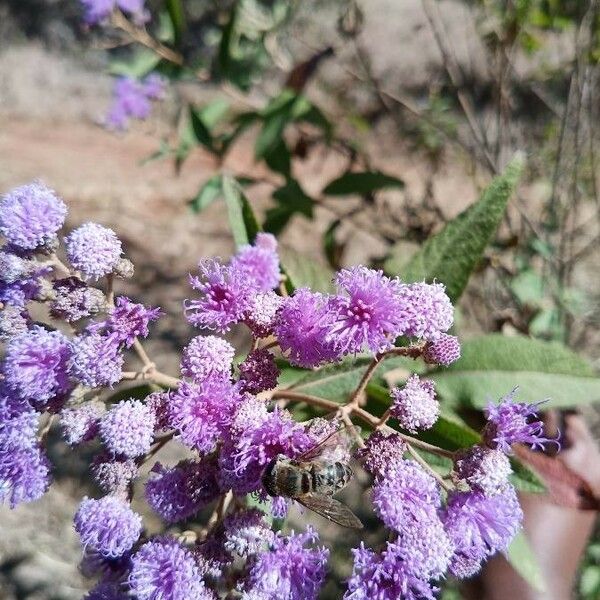
Leopold’s Ironweed is a majestic tropical perennial that commands attention with its towering presence and vibrant violet blooms. Native to the lush landscapes of Central Africa, it is often called a "King of Ironweeds" because of its regal stature and oversized, felt-like foliage. While many Ironweeds are seen as rugged wildflowers, this specific species brings a touch of exotic, architectural drama to a collection.
🔍 How to Identify
- 🍃 Lush Foliage: The leaves are large, broad, and covered in a fine, silvery down that makes them feel like soft velvet or suede to the touch.
- 🟣 Royal Blooms: It produces dense, fluffy clusters of thistle-like flowers in a deep, electric purple or magenta hue that lack traditional "petals."
- 📏 Sturdy Architecture: True to its "Ironweed" name, the stems are exceptionally strong and woody, allowing the plant to stand tall and straight even in breezy conditions.
🏡 In Your Garden
- 💧 Thirst for Humidity: Originating from the humid regions of the Congo, this plant thrives in moisture. If the air is too dry, those beautiful velvety leaves may begin to brown or crisp at the edges.
- ☀️ Dappled Light: It prefers bright, indirect light or "filtered" sun. While it loves warmth, intense, direct afternoon sun in hotter climates can sometimes bleach the rich green of its foliage.
- 🪴 Space Matters: Because of its vigorous growth habit and sturdy root system, it prefers a large pot or a dedicated spot in the ground where it won't be crowded by smaller, more delicate neighbors.
⚠️ Safety & Toxicity
- 🐾 Mild Irritant: Leopold’s Ironweed is generally considered low-toxicity, but it contains bitter compounds that can cause mild stomach upset if ingested by pets or children.
- 🧴 Contact Sensitivity: The fine, fuzzy hairs on the leaves and stems can occasionally cause a "stinging" sensation or mild dermatitis for people with sensitive skin; wearing gloves while pruning is recommended.
✨ Fun Fact
The name "Ironweed" isn't just about the plant's tough, unbreakable stems. It also refers to the stubbornness of its roots—once established, this plant is legendary for its ability to "iron out" and survive through difficult environmental shifts!

Detailed Care Instructions







