Plant Overview
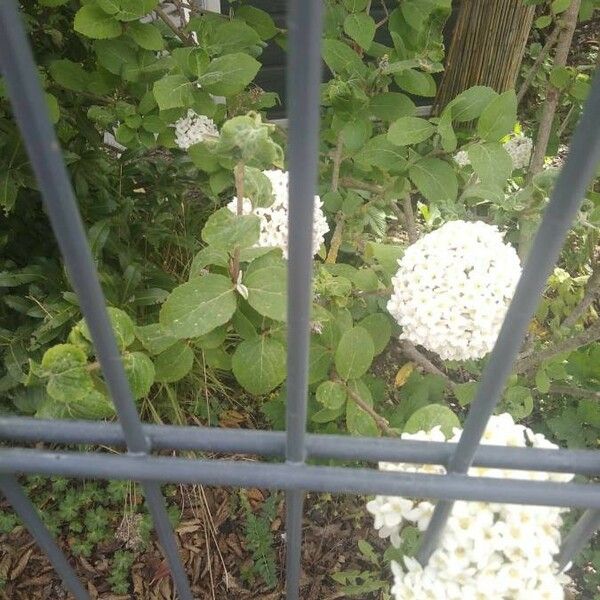
Often called the Fragrant Snowball Viburnum, this shrub is a sensory masterpiece of the spring garden. A hybrid between the Korean Spice Viburnum and the Chinese Snowball, it was bred specifically to merge intoxicating perfume with show-stopping flower size. In late spring, it transforms into a cloud of white globes that can be smelled from across the yard.
🔍 How to Identify
- 🌸 The "Snowballs": It features massive, globe-shaped flower clusters (up to 5 inches across) that start as pink-tinted buds before opening into waxy, pure white florets.
- 🍃 Leathery Foliage: The leaves are heart-shaped or broadly ovate, with a dull, dark green color and a slightly rough, "toothy" texture.
- 🍂 Autumn Color: In the fall, the green leaves often shift to a deep, wine-red or burgundy, providing a second season of visual interest.
🏡 In Your Garden
- 🌬️ Placement is Key: Because the scent is its greatest gift, plant it near a patio, window, or walkway where you can catch the clove-like fragrance on the spring breeze.
- 🌱 Root Sensitivity: This viburnum prefers well-drained, acidic soil. It is sensitive to "wet feet," so avoid low spots in the garden where water collects, as soggy soil can quickly lead to root rot.
- ✂️ Pruning Timing: Always prune immediately after the flowers fade. Since it blooms on "old wood," pruning too late in the year will accidentally cut off next spring's flower buds.
⚠️ Safety & Toxicity
- 🐾 Pet Safety: This plant is generally considered non-toxic to dogs, cats, and horses, making it a "pet-friendly" landscape choice.
- 👄 Berries: While this hybrid rarely produces fruit, any small black berries that do appear should not be consumed by humans. They aren't deadly, but they can cause mild stomach upset if ingested.
✨ Fun Fact
- 📜 The name Carlcephalum is a "botanical mashup." It combines the names of its parents: Viburnum carlesii and Viburnum macrocephalum. It essentially translates to "Carles' big-headed shrub!"

Detailed Care Instructions
To grow Viburnum × Carlcephalum (also known as Carlcephalum Viburnum or Fragrant Snowball), follow these steps:
- Location: Choose a location that receives full to partial sun. Viburnums prefer well-draining soil but can tolerate a variety of soil types.
- Planting: Dig a hole that is about twice as wide and as deep as the plant's root ball. Place the plant in the hole, making sure it is level with the ground. Backfill the hole with soil, gently firming it around the roots.
- Watering: Water the plant thoroughly after planting and keep the soil consistently moist during the first growing season. Established Viburnums are generally drought-tolerant but will benefit from regular watering during dry periods.
- Mulching: Apply a layer of organic mulch around the base of the plant to help retain moisture and suppress weed growth. Leave a gap between the mulch and the plant's stem to prevent rot.
- Fertilizing: Feed the plant with a balanced slow-release fertilizer in early spring. Follow the package instructions for proper application rates. Avoid excessive amounts of nitrogen as it can result in excessive foliage growth with reduced flowering.
- Pruning: Prune Viburnum × Carlcephalum immediately after flowering, as it forms flower buds on older wood. Remove any dead, damaged, or diseased branches. Thin out crowded branches to improve air circulation and overall plant health.
- Pests and Diseases: Vigorous and healthy plants are less susceptible to pest and disease issues. However, watch out for common Viburnum pests like aphids, scale insects, and spider mites. Treat any pest infestations promptly with insecticidal soap or horticultural oil.
- Propagation: Viburnum × Carlcephalum can be propagated through softwood cuttings or by layering. Softwood cuttings are taken during early summer, while layering involves bending a low branch to the ground and partially burying it, allowing it to form roots before being separated from the parent plant.
With proper care and attention, the Viburnum × Carlcephalum plant should grow well and reward you with its beautiful fragrant flowers.
To ensure proper watering for the Viburnum × Carlcephalum plant, follow these steps:
- Watering frequency: Determine the watering frequency by considering factors such as the plant's age, weather conditions, and soil moisture levels. Young plants generally require more frequent watering compared to mature ones. Check the soil regularly to assess its moisture content before deciding to water.
- Soil moisture: Viburnum × Carlcephalum prefers evenly moist but well-draining soil. Ensure the soil is not excessively dry or overly saturated. Insert your finger into the soil up to the second knuckle to check moisture levels. If the soil feels dry, it's time to water.
- Watering technique: Use a watering can or a garden hose with a gentle spray nozzle to water the plant. Avoid using strong water pressure as it can damage the plant's delicate foliage.
- Water volume: Provide a thorough watering to ensure the moisture reaches the plant's deep roots. Add water to the base of the plant until the soil is evenly moist. Ensure the water penetrates the soil deeply rather than just wetting the surface.
- Watering time: Water the Viburnum × Carlcephalum plant early in the morning or late in the evening to minimize evaporation and allow the plant to absorb water effectively.
- Mulching: Apply a layer of organic mulch around the plant, leaving a gap around the stem to prevent rot. Mulch helps retain soil moisture, reducing the need for frequent watering. It also regulates soil temperature and suppresses weed growth.
- Rainy season: During periods of consistent rainfall, adjust your watering schedule accordingly. If the soil remains consistently moist from rainfall, reduce or skip watering to avoid waterlogging.
- Drought conditions: In times of prolonged drought or extremely hot weather, provide supplemental irrigation to the Viburnum × Carlcephalum plant. Adjust the watering frequency and volume to prevent the plant from drying out excessively.
Remember, healthy watering practices depend on various factors like local climate, soil type, and individual plant needs. Always observe your Viburnum × Carlcephalum for signs of underwatering or overwatering, such as wilting leaves or yellowing foliage, and make appropriate adjustments to your watering routine.
To fertilize Viburnum × Carlcephalum, follow these steps:
- Choose a complete, well-balanced fertilizer with an NPK ratio of 10-10-10 or 14-14-14.
- Apply the fertilizer in early spring, just before new growth begins.
- Measure the recommended amount of fertilizer according to the package instructions for the size and age of your plant.
- Sprinkle the fertilizer evenly around the base of the plant, starting from a few inches away from the trunk and extending just beyond the outer drip line.
- Gently work the fertilizer into the top inch of soil using a garden fork or hand rake, being careful not to damage the plant's roots.
- Water the plant thoroughly after fertilizing to help the nutrients penetrate the soil and reach the roots.
- Avoid applying excessive amounts of fertilizer as it can burn the roots and cause damage to the plant.
- Repeat the fertilizer application once a year in early spring for young plants, or every two to three years for mature plants.
- Monitor the plant's growth and adjust the fertilizer application according to its needs and the soil conditions in your area.
- Always follow the specific instructions provided by the fertilizer manufacturer for the best results.
When growing Viburnum × Carlcephalum plants, it is essential to provide them with the appropriate type of soil to ensure healthy growth and development. The ideal soil for this plant should have specific characteristics that meet its requirements.
Firstly, the soil should be well-draining to prevent waterlogging, which can lead to root rot and other diseases. It is crucial to avoid soils that are heavy and compacted, as they can retain excess moisture for prolonged periods.
Moreover, Viburnum × Carlcephalum plants prefer slightly acidic to neutral soil. A pH range between 5.5 and 7.0 is generally ideal. This pH level allows for optimal nutrient absorption and overall plant health. It is recommended to periodically test the soil pH and make adjustments if necessary using appropriate soil amendments.
Additionally, the soil should be rich in organic matter. Organic matter improves soil fertility, drainage, and moisture-holding capacity. It enhances the plant's ability to take up nutrients and promotes healthy root development. Organic matter can be added to the soil in the form of compost, well-rotted manure, or other organic amendments.
Furthermore, the soil should be adequately aerated. Good soil aeration ensures that the plant's roots have access to sufficient oxygen. This can be achieved by avoiding heavy clay soils that become compacted easily. If the soil is heavy, incorporating coarse sand or perlite can help improve its structure and drainage.
Lastly, maintaining a consistent moisture level is crucial for Viburnum × Carlcephalum plants. Overly dry or excessively wet soil can stress the plant and affect its growth. The soil should retain enough moisture to keep the roots hydrated, but it should not be constantly waterlogged. Regularly checking the soil's moisture content and adjusting watering practices accordingly is essential.
By providing a well-draining, slightly acidic to neutral, organically rich, well-aerated, and appropriately moist soil, you can create an optimal growing environment for your Viburnum × Carlcephalum plant.
To propagate Viburnum × Carlcephalum plants, follow these steps:
- Select a healthy and mature specimen: Choose a well-established plant that is at least a few years old, as younger plants may not have developed enough roots to survive propagation.
- Time of propagation: The ideal time to propagate viburnum × Carlcephalum is during the dormant season, which is usually in late winter or early spring. This is when the plant is not actively growing, allowing it to focus its energy on root development.
- Choose a propagation method: There are several ways to propagate this plant, including by seeds, cuttings, or layering.
- Seeds: Collect ripe berries from the plant and extract the seeds by removing the pulp. Sow the seeds in a well-draining seed-starting medium and maintain moist conditions until they germinate.
- Cuttings: Take semi-hardwood cuttings from the plant during the dormant season. Choose healthy stems that are neither too soft nor too woody. Make a clean cut just below a leaf node and remove any excess leaves. Dip the cut end in a rooting hormone and plant in a well-draining potting mix. Keep the cuttings in a warm and humid environment until they develop roots.
- Layering: Choose a low-growing branch and gently bend it down to the ground. Make a small incision on the underside of the branch and bury that portion in the soil. Secure it with a small stone or stake if needed. Keep the soil consistently moist until roots develop. Once rooted, cut the branch from the parent plant and transplant it to its desired location.
- Seeds: Collect ripe berries from the plant and extract the seeds by removing the pulp. Sow the seeds in a well-draining seed-starting medium and maintain moist conditions until they germinate.
- Provide the right growing conditions: Whether you choose to propagate by seeds, cuttings, or layering, it is crucial to provide optimal conditions. Place the propagated plants in a location with bright but indirect sunlight. Maintain consistent moisture levels in the soil, ensuring it doesn't dry out or become waterlogged. Regularly mist the leaves to enhance humidity, especially for cuttings.
- Transplanting: Once the propagated plants have developed strong root systems or new growth, they can be carefully transplanted into larger pots or outdoor locations. Choose a well-draining soil and ensure the plants receive adequate water and sunlight.
- Care for the new plants: Provide regular care to the propagated plants, including regular watering, fertilization, and protection from extreme weather conditions. Monitor for pests or diseases and take appropriate measures if necessary.
By following these steps, you should be able to successfully propagate Viburnum × Carlcephalum plants and expand your garden with these beautiful additions.







