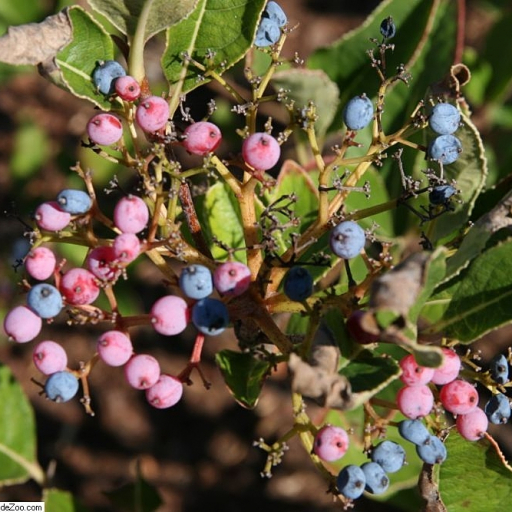
Plant Overview
Often called the "Possumhaw" or "Witherod Viburnum," this native North American shrub is a master of disguise. While it starts the season as a quiet, glossy green bush, it ends the year in a spectacular "Technicolor" display. It is widely beloved by birdwatchers and gardeners alike for its dramatic fruit transformation, which transitions through a rainbow of colors as autumn approaches.
🔍 How to Identify
- 🍃 The Foliage: Look for highly glossy, leathery leaves that are elliptical in shape. In the fall, these leaves transform from deep emerald to a stunning burgundy or dark purple.
- 🌼 Creamy Blossoms: In late spring, the plant produces flat-topped clusters of tiny, creamy-white flowers that have a faint, pleasant fragrance.
- 🍒 Rainbow Berries: The most iconic feature is the fruit clusters. You will often see green, bubblegum pink, vibrant blue, and midnight black berries all appearing on the same branch simultaneously.
🏡 In Your Garden
- 💧 Moisture is Key: Unlike many other shrubs that fear "wet feet," Viburnum nudum thrives in damp, acidic soil. It is a perfect candidate for rain gardens or the low-lying, boggy corners of your yard.
- 🦋 Wildlife Hub: This plant is a powerhouse for local ecology. It serves as a nectar source for butterflies in the spring and provides high-fat "fuel" for migrating birds who feast on the berries in the fall.
- ✂️ Pruning Nuance: It blooms on "old wood," so if you need to shape it, do so immediately after the flowers fade. Pruning too late in the year will cut off next year’s floral display.
⚠️ Safety & Toxicity
- ✅ Generally Safe: Viburnum nudum is considered non-toxic to dogs, cats, and horses, making it an excellent choice for pet owners.
- 👄 Human Consumption: While the berries are nicknamed "Wild Raisins" because they become sweet and edible when shriveled after a frost, they should be consumed in moderation. Eating large quantities of the raw, unripe berries may cause mild stomach upset in children or sensitive adults.
✨ Fun Fact
The name "Witherod" comes from the Old English word withe, meaning a flexible twig. Historically, the tough, bendable stems of this plant were used as natural rope to tie bundles of wood or even to construct primitive baskets.

Detailed Care Instructions
To grow Viburnum nudum (also known as possumhaw or smooth witherod), you can follow these steps:
- Select an appropriate planting location: Viburnum nudum prefers full sun to partial shade. It can tolerate a wide range of soil types but prefers moist, well-draining soil. It can also tolerate wetter conditions, making it suitable for rain gardens or areas with occasional flooding.
- Prepare the soil: Before planting, loosen the soil and remove any weeds or grass. If the soil is heavy or compacted, mix in organic matter such as compost or aged manure to improve drainage and fertility.
- Planting: Dig a hole that is slightly wider and deeper than the rootball of your Viburnum nudum plant. Place the plant in the hole and backfill with soil, gently firming it around the roots. Leave a small mound of soil around the base of the plant to catch water.
- Watering: Water the plant thoroughly after planting to settle the soil. Viburnum nudum prefers moist soil but can tolerate periods of drought once established. Water deeply and infrequently, allowing the soil to dry out slightly between waterings.
- Mulching: Apply a layer of mulch around the base of the plant to conserve moisture, suppress weeds, and maintain a more even soil temperature. Use organic mulch such as wood chips or shredded bark, and keep it a few inches away from the plant's stem to prevent rot.
- Fertilizing: Viburnum nudum generally does not require heavy fertilization. However, you can apply a balanced slow-release fertilizer in early spring to provide nutrients for healthy growth. Follow the manufacturer's instructions for application rates.
- Pruning: Minimal pruning is necessary for Viburnum nudum. You can remove any dead, damaged, or crossing branches. Prune in late winter or early spring before new growth begins.
- Pests and diseases: Viburnum nudum is generally resistant to pests and diseases. However, occasionally it may be affected by aphids, scale insects, or powdery mildew. Monitor the plant regularly and take appropriate action if any issues arise.
With proper care, Viburnum nudum can grow and thrive, providing you with beautiful flowers, attractive berries, and vibrant fall foliage.

Place in a bright room that is sun drenched almost all day. Or directly in a south-facing window.

To properly water this plant, it is important to check the soil moisture level first. Stick your finger in the soil about 1-2 inches deep and if it feels dry, then it is time to water. When watering, make sure to saturate the soil around the base of the plant, but avoid getting water on the leaves as this can lead to leaf diseases. It is best to water early in the morning or late in the evening to reduce evaporation and give the plant enough time to absorb the water before the heat of the day. In general, this plant prefers consistently moist soil, but be careful not to overwater as this can cause root rot.
The Viburnum Nudum plant should be fertilized in late winter or early spring using a slow-release, balanced fertilizer. Apply the fertilizer around the base of the plant, being careful not to let it touch the trunk. Water the plant well after fertilizing to ensure the nutrients reach the roots. Repeat this process every year to promote healthy growth and flowering. Avoid over-fertilizing as this can cause damage to the plant.
The ideal soil for Viburnum Nudum is one that is well-draining, moist, acidic, and rich in organic matter. The pH of the soil should be between 5.0 to 6.5. In terms of texture, the soil should be loamy, with good water retention properties. Avoid sandy or heavy clay soils. The plant does well in full sun to partial shade. Before planting, it is recommended to apply a slow-release fertilizer and a layer of mulch to help retain moisture and suppress weeds. Regular watering is necessary until the plant establishes itself.
To propagate this species of plant, select stem cuttings from healthy and vigorous plants that have a diameter of about 1/4 inch. The cuttings should be about 4-6 inches in length and taken in the summer when the plant is actively growing. Remove the leaves from the lower half of the stem cutting, leaving only a few leaves at the top.
Dip the cut end of the stem into rooting hormone powder and then plant it in a potting mix consisting of equal parts of peat moss and sand. Water the cuttings well and keep them moist but not waterlogged. Place the pot in a warm, well-lit location but out of direct sunlight. Mist the cuttings regularly to keep them from drying out.
After a few weeks, check the progress of the cuttings by gently tugging on them. If there is resistance, it means that roots are beginning to develop. If not, give them more time. Once roots have developed, transplant the cuttings into their own pots. Keep them in a bright location and continue to water them regularly. When they have grown enough, they can be transplanted outdoors.








