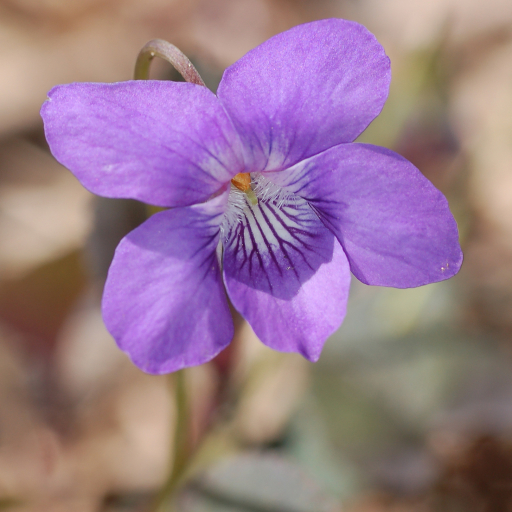
Plant Overview
The Labrador Violet is a hardy, low-growing treasure often nicknamed the "Alpine Violet" for its ability to thrive in cooler climates. Native to the rugged landscapes of Greenland and North America, this plant is a favorite among gardeners who want a moody, dramatic groundcover. Unlike common green violets, its foliage often takes on deep bronze or purple hues, creating a stunning backdrop for its delicate lilac blooms.
🔍 How to Identify
- 💜 The Flowers: Small, dainty five-petaled blossoms in shades of violet to lavender, often featuring a tiny white "eye" or throat.
- 🍃 The Foliage: Heart-shaped leaves that are famously dark. In cooler weather or spring, the leaves turn a deep burgundy or metallic bronze before fading to a dark forest green in summer.
- 🌱 Growth Habit: A compact, mounding plant that spreads via underground rhizomes and self-seeding, rarely growing taller than 4 to 6 inches.
🏡 In Your Garden
- 🌑 Shade Lover: Because this violet originated in cool woodlands, it thrives in spots where other flowers might struggle. It loves "dappled light"—the kind of sun that filters through tree branches—and will lose its beautiful dark leaf color if baked in the afternoon sun.
- 🌧️ Moisture is Key: It prefers soil that feels like a wrung-out sponge. If the soil dries out completely, the leaves will crisp at the edges. It is an excellent choice for rock gardens or tucked between stepping stones where the soil stays naturally cooler.
- 🌬️ Self-Sowing Nature: Be aware that this plant is a "wanderer." It throws its seeds with surprising force, meaning you might find little purple surprises popping up in nearby pots or cracks in the pavement.
⚠️ Safety & Toxicity
- ✅ Safe for Most: Labrador Violets are generally considered non-toxic and safe for households with curious pets and children.
- 🐾 Pet Friendly: According to most botanical resources, members of the Viola family are non-hazardous to cats and dogs if nibbled. However, as with any plant, consuming large quantities can cause mild stomach upset in pets.
✨ Fun Fact
Labrador Violets have a "secret" second type of flower called cleistogamous flowers. These are tiny, bud-like flowers that never actually open; they grow near the base of the plant and self-pollinate while still closed, ensuring the plant can produce seeds even if there are no bees around to help!

Detailed Care Instructions
To grow Viola Labradorica plants, follow these steps:
- Choose a suitable location: Viola Labradorica prefers partial shade or shaded areas with rich, well-draining soil. Ensure the area has good air circulation.
- Prepare the soil: Amend the soil with organic matter, such as compost, to improve fertility and drainage. Viola Labradorica prefers slightly acidic soil, so you may need to adjust the pH if necessary.
- Sow seeds or plant seedlings: Viola Labradorica can be grown from seeds or purchased as seedlings. Sow the seeds or plant the seedlings in the prepared soil, ensuring they are spaced about 6-8 inches apart.
- Watering: Keep the soil consistently moist but not soggy. Water the plants deeply whenever the top inch of soil feels dry. Avoid overwatering, as it can cause root rot.
- Mulching: Apply a layer of organic mulch, such as shredded bark or straw, around the plants to help conserve moisture, suppress weed growth, and maintain a cool soil temperature.
- Fertilizing: Viola Labradorica plants generally do not require heavy fertilization. However, you can fertilize them lightly with a balanced, slow-release fertilizer in the spring if needed.
- Pruning: Regularly deadhead spent flowers to encourage new blooms and maintain a tidy appearance. Additionally, trim back any leggy or overgrown stems to promote bushier growth.
- Pests and diseases: Viola Labradorica is generally resistant to most pests and diseases. However, keep an eye out for slugs and snails, which may feed on the foliage. Remove them by hand or use organic pest control methods if necessary.
- Winter care: Viola Labradorica is a hardy plant and can tolerate frost. In colder regions, apply a layer of mulch or protective covering to the plants in late fall or early winter to provide insulation.
By following these steps, you can successfully grow Viola Labradorica plants and enjoy their delicate flowers.

Place in a bright room that is sun drenched almost all day. Or directly in a south-facing window.

To effectively water this particular plant, it is important to ensure that the soil is moist but not waterlogged. Before watering, usually check the soil by touching the top layer with your fingers to feel for dryness. When watering, use a small watering can or spray bottle and pour water directly onto the soil around the base of the plant. Avoid watering the leaves or stem directly. It may be best to water the plant early in the morning or late in the evening when temperatures are cooler, rather than during the hottest parts of the day. Additionally, ensure that the pot or planting area has proper drainage holes allowing water to flow out of the soil and avoid pooling at the bottom. Lack of proper drainage can cause root rot and other issues.
To fertilize this plant, apply a balanced fertilizer with equal amounts of nitrogen, phosphorus, and potassium every two weeks during the growing season. Avoid over-fertilizing as it can harm the plant. Water the plant immediately after fertilizing to help the absorption process.
When planting Viola labradorica, it is recommended to use well-drained soil that is rich in organic matter. The pH level of the soil should be between 5.5 and 7.5, which is slightly acidic to neutral. It is important to ensure that the soil does not become waterlogged, as this can cause root rot. Adding compost or other organic matter to the soil before planting can help improve soil structure and provide nutrients for the plant. It is also recommended to mulch around the plant to help retain moisture and regulate soil temperature.
To propagate this plant, you should first take stem cuttings from a healthy parent plant. Look for stems that are at least four inches long and have a few sets of leaves.
- Using a sharp, clean pair of pruners, make a diagonal cut through the stem just below a leaf node.
- Remove the lower leaves from the stem, leaving only a few at the top.
- Dip the cut end of the stem in rooting hormone powder to encourage root growth.
- Plant the stem cutting in a pot filled with well-draining soil that has been moistened beforehand.
- Cover the pot with a clear plastic bag or plastic wrap to create a mini greenhouse effect and retain moisture.
- Place the pot in a bright, indirect light location.
- After a few weeks, check the cutting for new growth and root development. Gradually remove the plastic cover once new growth appears.
- When the plant has developed roots and is growing well, it can be transplanted into its permanent location in the garden or a larger container.
Common pests of the american dog violet include Aphids, thrips, whiteflies, larvae. Make a habit of checking your american dog violet frequently for pests so that any infestations can be caught and managed early.








