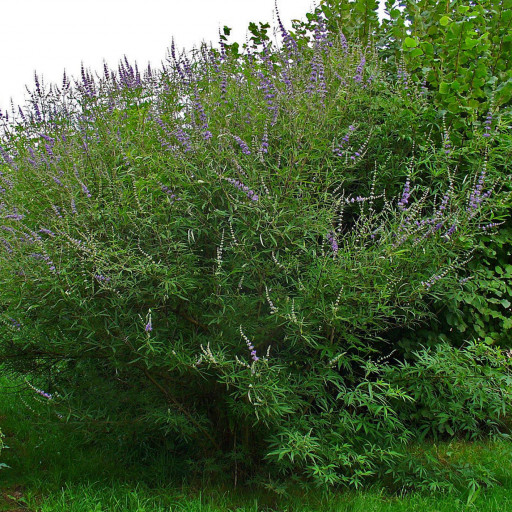
Plant Overview
Known as the Chaste Tree or Monk’s Pepper, this elegant Mediterranean native is a showstopper in any landscape. With its aromatic, palm-shaped leaves and tall spikes of violet blooms, it is often mistaken for a butterfly bush or even hemp at first glance. Historically, it was believed to promote "chastity," earning it a permanent spot in monastery gardens throughout the Middle Ages.
🔍 How to Identify
- 🌿 The Foliage: Features distinctive gray-green, palmately compound leaves (usually 5–7 leaflets) that radiate from a central point, resembling the shape of a hand or a fan.
- 🟣 The Flowers: Produces upright, slender spikes (racemes) of tiny, fragrant flowers in shades of lavender, deep blue, or occasionally white during mid-to-late summer.
- 🫐 The Fruit: Following the flowers, it produces small, hard, dark brown to black peppercorn-like drupes that have a pungent, peppery scent when crushed.
🏡 In Your Garden
- 🦋 Pollinator Magnet: This plant is a favorite for bees, butterflies, and hummingbirds, making it an excellent choice for a "living garden" or wildlife-focused landscape.
- ✂️ Growth & Pruning: It is a vigorous grower that can be trained as a multi-stemmed shrub or a small tree. Because it blooms on "new wood," you can prune it heavily in late winter to encourage a more dramatic floral display in the summer.
- 🌞 Resilience: It is incredibly drought-tolerant once established and thrives in hot, sunny spots where other plants might wilt. However, it is a "late sleeper" and may not show new leaves until late spring, so don't assume it has died during a cold snap!
⚠️ Safety & Toxicity
- 🐾 Pet Safety: Generally considered non-toxic to dogs and cats, though as with any ornamental plant, consuming large amounts of foliage or seeds may cause mild digestive upset.
- 💊 Medical Context: While used in herbal medicine to help balance hormones, the plant and its extracts should be avoided by pregnant or nursing individuals and those on hormone-sensitive medications.
- 🧤 Skin Sensitivity: While not common, some gardeners with sensitive skin may experience mild irritation when pruning the aromatic foliage.
✨ Fun Fact
The name "Monk’s Pepper" comes from the Middle Ages when monks would grind the dried berries and use them as a spice. They believed the plant would help them maintain their vows of celibacy by suppressing their libido—a claim that modern science still debates today!

Detailed Care Instructions
It is commonly used in shrub borders, for foundation plantings, and in butterfly gardens—butterflies and other pollinators love the blooms. In southern gardens, this plant is often used as an alternative to lilacs, which don't grow well in very warm climates. It is also a good choice for xeriscape gardens where irrigation water is used sparingly.
How long does a chaste tree plant live?
The average lifespan is 15 to 20 years, but in ideal conditions, these plants sometimes live as much as 40 years.
How did this plant get the name "chaste tree"?
Historically, this species was thought to be sacred to the virginal Greek and Latin goddess Hestia/Vesta.
Does this plant have wildlife appeal?
Yes. Butterflies are drawn to the plant in droves during the flowering season, and songbirds feast on the fruit clusters that appear in late summer.
| Color | Violet, Blue |
| Soil Ph | 5.6-7.5 |
| Lighting | Full Sun |
| Soil Type | Loose, Well-Drained Soil |
| Bloom Time | Mid-Summer |
| Plant Type | Deciduous Shrub |
| Mature Size | 8 To 10 Feet Tall; 5- To 8-Foot Spread |
| Native Area | Mediterranean, Asia |
| Sun Exposure | Full Sun |
| Hardiness Zones | 6-9 |
Here are some steps to help you grow Vitex Agnus-castus, also known as the chasteberry or monk's pepper plant:
- Choose the right location: Vitex Agnus-castus prefers full sun, so find a spot in your garden that receives at least six hours of direct sunlight each day. Ensure the soil is well-drained.
- Prepare the soil: Amend the soil with organic matter, such as compost or aged manure, to improve its texture and fertility. Vitex plants prefer slightly alkaline soil with a pH of around 6.5 to 7.5.
- Planting: Dig a hole that is slightly larger than the root ball of your Vitex plant. Place the plant in the hole and backfill with soil, ensuring that the plant is at the same level it was in its container. Gently firm down the soil around the base of the plant.
- Watering: After planting, water the Vitex plant thoroughly. Keep the soil evenly moist, but not waterlogged, during the first growing season. Once established, the plant is drought-tolerant but will benefit from occasional deep watering during dry periods.
- Mulching: Apply a layer of organic mulch, such as wood chips or straw, around the base of the plant to help retain moisture, suppress weeds, and regulate soil temperature.
- Pruning: Vitex Agnus-castus can be pruned in early spring to maintain a desired shape and to remove any dead or damaged branches. This will also help promote flowering and bushier growth.
- Fertilizing: Vitex plants generally do not require heavy feeding. However, you can apply a balanced slow-release fertilizer in early spring to promote healthy growth. Follow the recommended dosage on the fertilizer packaging.
- Pests and diseases: Vitex Agnus-castus is generally not heavily prone to pest or disease problems. However, keep an eye out for common garden pests like aphids and spider mites. If necessary, treat with organic pest control methods.
- Propagation: Vitex Agnus-castus can be propagated through stem cuttings or from seeds. Seeds need to be stratified (exposed to cold temperatures) for several weeks before planting. Layering and grafting are also possible methods of propagation.
Remember, Vitex Agnus-castus is a deciduous shrub that may take a few years to establish and bloom, so be patient and provide the necessary care for your plant to thrive.

Place in a bright room that is sun drenched almost all day. Or directly in a south-facing window.

To properly water this plant, it is important to check the soil moisture level before each watering. This can be done by sticking a finger in the soil about an inch deep and feeling for moisture. If the soil feels dry, it is time to water.
When watering, it is best to use a watering can or hose with a gentle nozzle to avoid washing away soil or damaging the plant. Water at the base of the plant rather than on the leaves to minimize the risk of fungal or bacterial diseases.
It is important not to overwater this plant, as it prefers well-draining soil and can be susceptible to root rot. Allow the top inch of soil to dry out before watering again. In periods of heavy rain or high humidity, it may not be necessary to water as frequently.
If the plant is in a pot, make sure there are drainage holes to allow excess water to escape. If the plant is in the ground, it is recommended to add a layer of mulch around the base to retain moisture and regulate soil temperature.
To fertilize this plant, use a balanced fertilizer with equal amounts of nitrogen, phosphorus, and potassium. Apply the fertilizer in early spring before new growth starts, and again in midsummer. Be sure to follow the instructions on the package for the proper amount and method of application. Avoid over-fertilizing, as this can lead to excessive growth and reduced flowering.
When choosing soil for this plant, it is important to consider its natural habitat and growing conditions. The ideal soil should be well-drained and slightly acidic, with a pH range of 6.0 to 7.0. It should also be rich in organic matter and nutrients, including nitrogen, phosphorus, and potassium.
To achieve this, it is recommended to use a high-quality potting mix that contains a blend of peat moss, perlite, and vermiculite. This mixture will provide good drainage while retaining moisture and nutrients for the plant.
Adding organic matter, such as compost or aged manure, to the soil will help improve its fertility and structure. It is also important to regularly fertilize the plant with a balanced fertilizer to promote healthy growth and blooms.
When planting the Vitex Agnus-castus, make sure to provide enough space for its root system to grow and spread. Plant in a location that receives full sun and shelter from strong winds. Water deeply and frequently during the growing season, and reduce watering in the winter months.
- Selecting healthy parent plant: The first step in propagating Vitex Agnus-castus is to select a healthy parent plant. Choose a mature plant that has shown no signs of disease or pest damage.
- Taking cuttings: You can propagate Vitex Agnus-castus by taking cuttings from the parent plant. Take 4-6 inch cuttings from the current year's growth in late spring or early summer.
- Preparing soil: Prepare a seed-starting mix or well-draining soil mixture for the cuttings. Sterilize the soil using boiling water to reduce the chances of fungal diseases.
- Stripping leaves: Strip the lower leaves from the bottom 2 inches of the cutting, leaving only a few leaves towards the top. This will help reduce the stress on the cutting by reducing the water demand.
- Applying rooting hormone: Apply a rooting hormone to the cut end of the stem to encourage root formation.
- Planting the cuttings: Plant the cutting 1 to 2 inches deep in the soil and firm the soil around it.
- Watering the cuttings: Water the cuttings thoroughly. After that, water it lightly and keep the soil moist, but not waterlogged.
- Providing the right environment: Place the cuttings in a bright and humid spot and keep them protected from direct sunlight. You can cover the cuttings with a plastic bag to maintain humidity.
- Checking for roots: Roots will begin to form in a few weeks. Check for root growth by gently tugging on the stem. If you feel resistance, it means the plant has established roots.
- Transplanting: Once the cuttings have established roots, transplant them to individual pots with well-draining soil mix. Allow the plant to grow for several weeks before moving them outside.








