Plant Overview
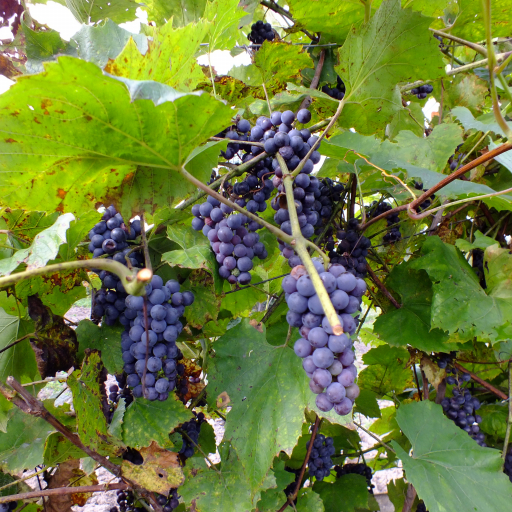
Known as the "Siberian Grape," Vitis amurensis is the ultimate survivor of the viticulture world. Hailing from the frigid forests of the Amur Valley in East Asia, this vine is celebrated not just for its resilience, but for its breathtaking transition from lush summer green to fiery autumn crimson. It is a favorite among gardeners in cold climates who want the vineyard aesthetic without the fear of a deep winter freeze.
🔍 How to Identify
- 🍃 The Foliage: The leaves are impressively large, often reaching 8–10 inches across, with three to five shallow lobes and a rough, textured surface.
- 🍇 The Clusters: It produces small, loose bunches of deep purple-to-black berries. These are much smaller than standard table grapes and have a distinctively wild look.
- 🧗 The Habit: A vigorous woody climber (liana), it uses strong, curling tendrils to hoist itself up fences, pergolas, or neighboring trees, reaching heights of over 15 meters.
🏡 In Your Garden
- ❄️ Extreme Hardiness: This plant is legendary for its ability to withstand temperatures as low as -40°C (-40°F). If you live in a northern region where traditional grapes perish, this is your champion.
- ✂️ Vigorous Growth: Because it grows so rapidly, it requires a sturdy support system and regular pruning. It thrives in well-drained, slightly acidic soil and needs full sun to develop its spectacular red and purple fall colors.
⚠️ Safety & Toxicity
- 🐾 Toxic to Pets: Like all members of the Vitis genus, the fruit is highly toxic to dogs and can cause acute kidney failure. Ensure the vine is planted away from pet run areas.
- 🍷 Edibility: The grapes are safe for humans to eat. While they are quite tart and acidic straight off the vine, they are excellent for making jams, jellies, and high-antioxidant juices or wines.
✨ Fun Fact
- 🧬 The Resveratrol King: Research has shown that Vitis amurensis contains significantly higher levels of resveratrol (a heart-healthy antioxidant) than common European wine grapes. This is a biological defense mechanism the plant evolved to survive the harsh Siberian climate and fungal diseases!

Detailed Care Instructions
To grow Vitis amurensis, or Amur grape, follow these steps:
- Choose a suitable location: Ensure the area receives full sun for at least 6 hours a day and has well-draining soil. Amur grapes are hardy and can tolerate a range of soil types.
- Prepare the soil: Amend the soil before planting by adding organic matter like compost or well-rotted manure. This enhances soil fertility, drainage, and moisture retention.
- Planting: Dig a hole deep and wide enough to accommodate the roots of the plant. Place the plant in the hole, making sure the base of the stem is level with the soil surface. Backfill the hole with soil, gently firming it down around the roots.
- Watering: Water deeply after planting to settle the soil and promote root establishment. Afterward, provide regular watering to keep the soil moist, especially during dry spells. Avoid overwatering, as excessive moisture can cause root rot.
- Mulching: Apply a layer of organic mulch around the base of the plant, leaving a gap around the stem to prevent rot. Mulching helps retain moisture, suppress weeds, and regulate soil temperature.
- Training and support: Install a trellis or support system to guide the vine's growth and provide stability. Prune and train the vine to achieve your desired shape and structure.
- Fertilization: Apply a balanced fertilizer in early spring, following the manufacturer's instructions. Additionally, consider periodic applications of compost or organic fertilizers throughout the growing season to provide nutrients.
- Pruning: In late winter or early spring, prune away any dead or damaged wood and thin out crowded branches. This helps improve air circulation, sunlight penetration, and overall plant health.
- Pest and disease control: Monitor the plant regularly for pests such as aphids, spider mites, or powdery mildew. Promptly address any infestations or diseases with suitable treatments.
- Harvesting: Vitis amurensis typically produces grapes in late summer or early fall. Harvest the fruit when fully ripe, usually indicated by a change in color and slightly soft texture.
Remember to research specific cultivar requirements and adapt the care accordingly.

Place in a bright room that is sun drenched almost all day. Or directly in a south-facing window.

To water this plant, it is important to ensure that the soil is consistently moist but not waterlogged. It is recommended to water deeply once a week, allowing the water to penetrate the soil at least 6 inches deep. Avoid overhead watering as it can encourage fungal growth. Instead, water at the base of the plant, directing the water towards the roots. Make sure to check the soil moisture regularly and adjust watering frequency as needed based on weather conditions. It is also a good practice to mulch around the plant to help retain moisture in the soil. When watering, avoid splashing water on the leaves as it can lead to disease.
- Choose a balanced fertilizer with equal parts of nitrogen, phosphorus, and potassium.
- Apply fertilizer during the plant's active growing season, typically from spring to summer.
- Follow the instructions on the fertilizer package for the correct amount of fertilizer to apply.
- Apply fertilizer evenly around the base of the plant, avoiding direct contact with the stem.
- Water the plant thoroughly after applying the fertilizer to help it absorb the nutrients.
- Repeat fertilizer application every 4-6 weeks throughout the growing season.
- Adjust the amount of fertilizer applied based on soil quality, plant age, and growth rate to avoid overfeeding.
The best soil for Vitis Amurensis should be well-draining and nutritious with a pH level of around 6.0 to 7.0. It thrives in a loamy soil that is rich in organic matter, and deep enough to accommodate its extensive root system. The soil should also be free of any contaminants, such as chemicals or heavy metals, as these can harm the plant's growth and development. Mixing in some sand or perlite can help improve drainage, which is crucial in preventing waterlogging and root rot. Additionally, adding some compost or well-rotted manure can further enrich the soil and provide essential nutrients for the plant to grow. Maintaining proper soil moisture levels is also important, as Vitis Amurensis prefers moist but not waterlogged soil.
To propagate this plant, take a stem cutting from a healthy mature plant during the late spring or early summer. Make the cut approximately 6 inches from the tip of the stem. Strip the leaves from the bottom of the cutting, leaving a few at the top. Dip the cut end of the stem in rooting hormone and plant it in a pot filled with a mix of potting soil and perlite. Water the cutting thoroughly and place it in an area with partial shade. Keep the soil moist and mist the cutting with water every day. Within a few weeks, roots should develop and the cutting can be transplanted into a larger pot or planted in the ground.








