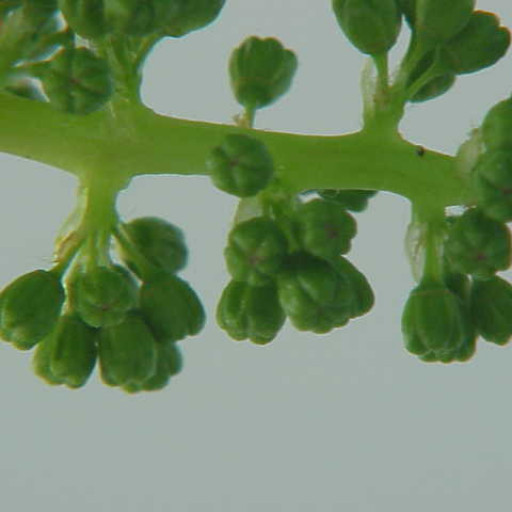
Plant Overview
Known as the "Vine of Antiquity," Vitis vinifera is the legendary source of nearly all the world's wine, from crisp Chardonnays to deep Cabernets. Native to the Mediterranean and Central Asia, this vigorous climber has traveled alongside human civilization for over 7,000 years. Whether it is draping over a rustic pergola or lining a professional vineyard, it remains a symbol of abundance and the changing seasons.
🔍 How to Identify
- 🍃 The Leaves: Large, heart-shaped leaves with three to five distinct lobes and jagged, "toothed" edges. The undersides often have a soft, slightly fuzzy texture.
- 🌀 The Tendrils: Look for thin, wiry green coils that sprout opposite the leaves. These act as "hands," wrapping tightly around fences or wires to pull the heavy vine upward.
- 🍇 The Fruit: Hanging in heavy, pendulous clusters, the berries have a "bloom"—a dusty, waxy coating that protects the skin. They transition from hard green to translucent gold or deep purple as they ripen.
🏡 In Your Garden
- 🏗️ Support Systems: This is a heavy-duty liana (woody vine). It requires a very sturdy trellis or arbor because the weight of the fruit and the thick, woody trunk can collapse flimsy structures as the plant ages.
- ✂️ The Pruning Paradox: To get sweet fruit, you must be "cruel" to the vine. Most of the previous year’s growth should be pruned away in winter. This forces the plant’s energy into producing high-quality grapes rather than an endless, unproductive tangle of leaves.
- 🍷 Terroir and Roots: The vine develops an incredibly deep taproot system, sometimes reaching 15-30 feet underground. This makes established vines very drought-tolerant, but it also means they hate being moved once planted.
⚠️ Safety & Toxicity
- 🐾 Status: Delicious for humans, but highly toxic to dogs.
- 🚫 Details: Grapes and raisins can cause sudden kidney failure in canines. Even a small amount can be life-threatening. If you are growing these in a yard with pets, ensure the fruit is harvested promptly and fallen grapes are cleared away.
✨ Fun Fact
Almost all European grapevines are "cyborgs." In the late 1800s, a tiny aphid called Phylloxera nearly wiped out every vineyard in Europe. To save the industry, growers had to graft the stems of Vitis vinifera onto the pest-resistant rootstocks of wild American grapes. Most wine you drink today comes from a plant with a European top and an American bottom!

Detailed Care Instructions
| Color | Green, Purple, Red, Black |
| Soil Ph | 6.5-7.0 |
| Lighting | Full Sun |
| Toxicity | Toxic |
| Soil Type | Well-Drained, Rich, Loamy, Medium-Moist |
| Bloom Time | Spring, Summer |
| Plant Type | Perennial Vine |
| Mature Size | 40-60 Ft. Tall; Pruned To 3-9 Ft. Tall |
| Native Area | Europe, Southwestern Asia |
| Sun Exposure | Full Sun |
| Hardiness Zones | 6-9 |
To grow Vitis Vinifera, commonly known as grapevines, follow these steps:
- Select a suitable location: Grapevines require a full sun exposure to thrive, so choose a location that receives at least 6-8 hours of direct sunlight per day. The soil should be well-draining and slightly acidic.
- Prepare the soil: Grapevines prefer loamy soil with good drainage. Amend the soil with organic matter, such as compost or well-rotted manure, to improve its fertility and drainage.
- Planting: Dig a hole that is large enough to accommodate the vine's roots. Place the vine in the hole and backfill it with the soil while ensuring the graft union (if present) is above the ground. Space the plants 6-10 feet apart to provide enough room for growth.
- Watering: After planting, water the vine thoroughly to help settle the soil and remove any air pockets. Keep the soil evenly moist during the establishment phase, but avoid overwatering as grapevines don't tolerate waterlogged conditions.
- Support: Install a trellis or support system for the vines to grow and climb on. Train the vine onto the support and secure it using ties or twine.
- Pruning: Pruning is crucial for grapevines to ensure proper growth and fruit production. Prune during the dormancy period, usually in winter or early spring, to remove weak or dead wood and shape the vine. Consult pruning guides specific to your grape variety for detailed instructions.
- Fertilization: Grapevines generally don't require heavy fertilization, but you can apply a balanced fertilizer in early spring before new growth appears. Avoid excessive nitrogen, as it can lead to excessive vegetative growth instead of fruit production.
- Mulching: Apply a layer of organic mulch around the base of the vine to help retain moisture, suppress weeds, and maintain even soil temperatures.
- Pest and disease control: Grapevines are prone to certain pests and diseases, such as powdery mildew, downy mildew, and grape phylloxera. Monitor your plants regularly and take preventive measures, such as pruning for good air circulation and using organic fungicides when necessary.
- Harvesting: Grapevines usually bear fruit within 2-3 years of planting. Harvest the grapes when they reach the desired ripeness, based on the variety and intended use. Different varieties may have different ripening times.
By following these steps and providing proper care and maintenance, you can successfully grow Vitis Vinifera plants and enjoy their delicious fruits.

Place in a bright room that is sun drenched almost all day. Or directly in a south-facing window.

Watering the plant should be done deeply and infrequently, promoting long root growth and drought tolerance. The soil should never be allowed to completely dry out, but care should be taken not to overwater and saturate the roots, as this can lead to root rot. It is also important to water the plant at the base and not overhead, as wet leaves can lead to disease. In addition, water should be applied early in the day to allow excess moisture to evaporate before nightfall. Lastly, the amount of water needed will depend on factors such as climate, weather conditions, and soil type, so it is important to regularly monitor the soil moisture levels and adjust watering accordingly.
- Choose a specific fertilizer formulated for this type of grape plant.
- Begin fertilizing in early spring before new growth starts.
- Apply the fertilizer evenly around the base of the plant, avoiding direct contact with the stems.
- Water the plant thoroughly after fertilizing to help distribute the nutrients.
- Repeat fertilization once a month during the growing season.
- In the fall, reduce fertilization to once a month until growth stops.
- Avoid over-fertilizing, as this can lead to excessive growth and harm the plant.
The ideal soil for the Vitis Vinifera plant should be well-draining, fertile, and rich in nutrients. It should have a pH level between 6.0 to 6.5, which is slightly acidic to neutral. The texture of the soil should be loamy with a mix of sand, silt, and clay particles. The plant requires ample organic matter in the soil, which can be added by incorporating compost or well-aged manure. The soil must also have good moisture retention capacity to ensure that the plant has access to water during dry periods. The Vitis Vinifera plant prefers soils that are warm and well-aerated, making sure that the roots have enough oxygen to thrive. The soil should not be compacted, as this can interfere with root growth and the plant's ability to access water and nutrients. Overall, the Vitis Vinifera plant requires a healthy, balanced soil environment that can support its growth and development.
There are a few methods for propagating this plant. One way is by taking cuttings from the desired plant, ensuring they have at least 3 nodes. Remove the lower leaves and dip the cut end into rooting hormone before planting in a well-draining soil mix. Another method is through layering, where a low-hanging stem is buried in the soil and allowed to form roots before being cut from the parent plant. Finally, vines can be propagated through grafting onto rootstock to improve disease resistance and growth characteristics.
Common pests of the european grape include Mealybugs, spider mites. Make a habit of checking your european grape frequently for pests so that any infestations can be caught and managed early.








