Plant Overview
Often called the "East African Greenheart" or the "Pepper-bark tree," Warburgia ugandensis is a legendary figure in African traditional medicine. Known for its intense, spicy aroma and incredibly durable timber, it is often referred to as a "natural pharmacy" because nearly every part of the tree has been used for centuries to treat various ailments.
🔍 How to Identify
- 🍃 Leathery Leaves: The leaves are lance-shaped, glossy dark green on top, and paler underneath. When crushed, they release a sharp, peppery scent that is unmistakable.
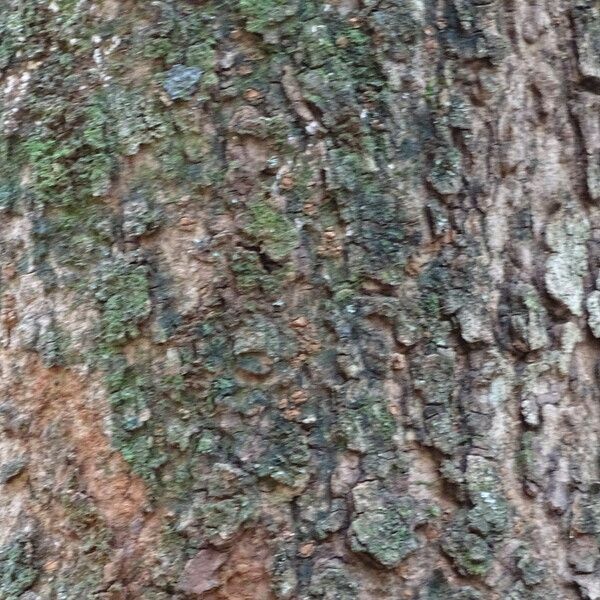
- 🪵 The Bark: In younger trees, the bark is smooth and grey; however, as the tree ages, it becomes brown, cracked, and scaly, often hiding a reddish interior.
- 🟣 Peppery Fruit: It produces small, round berries (about 3-5 cm) that start green and ripen into a deep purple or black color, containing an oily pulp.
🏡 In Your Garden
- 🌍 Native Roots: This tree thrives in dry highland forests and riverine woods. It is incredibly hardy and can grow in a variety of soil types, though it prefers well-drained locations with plenty of sun.
- 🌱 Deep Foundation: If you are planting one, choose your spot carefully. It develops a very deep taproot early in its life, which makes it remarkably drought-tolerant but almost impossible to transplant once it has settled in.
⚠️ Safety & Toxicity
- 🌶️ Pungent Potency: While the bark and leaves are used in traditional remedies, they are extremely "hot." Direct contact with the sap or concentrated extracts can cause a burning sensation on the skin or eyes.
- 🐾 Pet Watch: There is limited clinical data on its effect on domestic pets, but due to the high concentration of pungent essential oils (saponins and tannins), ingestion could lead to significant digestive upset or mouth irritation in dogs and cats.
✨ Fun Fact
The leaves are so spicy and pungent that they are sometimes used by local communities as a substitute for chili peppers in cooking, providing a slow-burning heat to traditional stews and meat dishes!

Detailed Care Instructions
To grow Warburgia Ugandensis, commonly known as Ugandan Greenheart or Ugandan Warburgia, follow these steps:
- Sourcing Seeds or Seedlings:
- Obtain seeds or seedlings from a reputable supplier, nursery, or botanical garden. It is best to choose healthy and viable seeds or seedlings for better chances of successful germination and growth.
- Obtain seeds or seedlings from a reputable supplier, nursery, or botanical garden. It is best to choose healthy and viable seeds or seedlings for better chances of successful germination and growth.
- Selecting a Growing Site:
- Warburgia Ugandensis prefers environments with well-draining soil, moderate humidity, and partial shade. Choose a location with filtered sunlight or partial shade, away from direct exposure to harsh sunlight.
- Warburgia Ugandensis prefers environments with well-draining soil, moderate humidity, and partial shade. Choose a location with filtered sunlight or partial shade, away from direct exposure to harsh sunlight.
- Preparing the Soil:
- The plant thrives in fertile, loamy soil with good drainage. Ensure the soil is loose, free of weeds, and amended with organic matter like compost or well-rotted manure. Warburgia Ugandensis prefers a soil pH ranging from slightly acidic to neutral.
- The plant thrives in fertile, loamy soil with good drainage. Ensure the soil is loose, free of weeds, and amended with organic matter like compost or well-rotted manure. Warburgia Ugandensis prefers a soil pH ranging from slightly acidic to neutral.
- Sowing Seeds or Transplanting Seedlings:
- If using seeds, start by filling a seed tray or small pots with a seed-starting mix. Sow the seeds at a depth of 1 inch (2.5 cm) and cover them lightly with the planting mix. Water gently, keeping the soil consistently moist but not waterlogged.
- If using seedlings, carefully remove them from their containers and plant them at the same depth they were growing in the nursery pots. Ensure the roots are covered by soil and gently firm the soil around the base of the plants. Water thoroughly after transplanting.
- If using seeds, start by filling a seed tray or small pots with a seed-starting mix. Sow the seeds at a depth of 1 inch (2.5 cm) and cover them lightly with the planting mix. Water gently, keeping the soil consistently moist but not waterlogged.
- Watering:
- Keep the soil evenly moist, but avoid overwatering to prevent root rot. Water the plants deeply when the top inch (2.5 cm) of soil feels dry. Adjust the watering frequency based on weather conditions and the moisture needs of the plant.
- Keep the soil evenly moist, but avoid overwatering to prevent root rot. Water the plants deeply when the top inch (2.5 cm) of soil feels dry. Adjust the watering frequency based on weather conditions and the moisture needs of the plant.
- Providing Shade:
- Protect the young plants from direct sunlight and strong winds by providing temporary shade using shade cloth or natural shade from trees or other structures. Gradually acclimate the plants to direct sunlight over a few weeks.
- Protect the young plants from direct sunlight and strong winds by providing temporary shade using shade cloth or natural shade from trees or other structures. Gradually acclimate the plants to direct sunlight over a few weeks.
- Maintaining Moisture and Weeding:
- Mulch around the plants with organic mulch like wood chips, straw, or dried leaves to conserve moisture and suppress weed growth. Keep the area around the plants weed-free to prevent competition for nutrients and water.
- Mulch around the plants with organic mulch like wood chips, straw, or dried leaves to conserve moisture and suppress weed growth. Keep the area around the plants weed-free to prevent competition for nutrients and water.
- Pruning and Training:
- As the plant grows, prune dead or damaged branches to promote healthy growth. You can also shape the tree by selectively pruning branches for aesthetic appeal.
- As the plant grows, prune dead or damaged branches to promote healthy growth. You can also shape the tree by selectively pruning branches for aesthetic appeal.
- Protection from Frost:
- Warburgia Ugandensis is sensitive to frost. If you live in a region with frost, protect the plant by covering it with frost cloth or bringing it indoors during cold snaps.
- Warburgia Ugandensis is sensitive to frost. If you live in a region with frost, protect the plant by covering it with frost cloth or bringing it indoors during cold snaps.
- Patience and Care:
- Warburgia Ugandensis is a slow-growing tree. Be patient and provide consistent care, including regular watering, pest control, and fertilization using a balanced organic fertilizer. Monitor the plant for any signs of pests or diseases and take appropriate measures to address them.
Remember that growing Warburgia Ugandensis may require specific conditions and care based on your climate and location. Consulting with local horticulturists, plant nurseries, or botanical gardens can provide valuable advice and guidance specific to your region.
- Warburgia Ugandensis is a slow-growing tree. Be patient and provide consistent care, including regular watering, pest control, and fertilization using a balanced organic fertilizer. Monitor the plant for any signs of pests or diseases and take appropriate measures to address them.
To water the Warburgia Ugandensis plant, you should consider its general preferences. The amount of water it needs will depend on various factors such as the temperature, humidity, and the type of soil it is planted in. Generally, this plant requires moderate water, and you should maintain a consistent watering schedule. It is recommended to water the plant when the top inch of soil is dry to the touch. Ensure you do not overwater the plant as it can lead to root rot. Additionally, the Warburgia Ugandensis plant prefers well-draining soil, meaning that excess water should be allowed to drain away from the roots. Water the plant preferably early in the morning or late in the afternoon when the sun is not too hot.
- In the early spring, prepare the soil by removing any weeds and adding compost or organic matter.
- Apply a balanced fertilizer (10-10-10) evenly around the base of the plant, avoiding contact with the stem.
- Water the fertilizer in thoroughly, making sure the plant receives adequate moisture.
- Repeat the fertilization process once a month during the growing season (spring and summer).
- Reduce fertilization in the fall and stop completely during the dormant winter season.
- Monitor the plant for any signs of over-fertilization, such as yellowing leaves or stunted growth, and adjust the amount accordingly.
The recommended soil for Warburgia Ugandensis should be well-drained and fertile. It should have a pH ranging from slightly acidic to slightly alkaline, ideally around 6.0 to 7.5. The soil should also have good water retention capabilities to ensure the plant gets enough moisture without becoming waterlogged. It is also important to ensure that the soil is enriched with organic matter such as compost or well-rotted manure. This plant prefers moist soil, but excessive moisture can lead to root rot. Therefore, the soil should be well-draining and not too compacted. Finally, it is recommended to plant the Warburgia Ugandensis in a location that receives sufficient sunlight for its growth and development.
Propagation of this plant can be done through both seed germination and stem cuttings. For seed propagation, the seeds should be collected from mature fruits of the plant and cleaned thoroughly before sowing in a nursery bed with well-draining soil. The seeds need to be covered lightly with soil, and watering should be done regularly until germination occurs. For stem cuttings, healthy stems should be collected and cut into 15-20 centimeter sections, with each section having at least three nodes. These cuttings should be planted in a well-prepared pot or nursery bed filled with sand or vermiculite to a depth of at least 5 centimeters. Regular watering and misting will help promote root development, and rooting hormone can be applied to the cuttings to help stimulate growth. The cuttings should be kept in a well-lit, warm environment until roots have formed and transplanting can occur.








