Plant Overview
A hidden gem of the Central and South American cloud forests, Witheringia macrantha is often known by the nickname "Giant Yellow Nightshade." Unlike its more common cousins, this plant feels like a piece of living jewelry, draping its oversized, golden bell-shaped flowers across the lush undergrowth. It is a favorite for those seeking a tropical, "lost world" aesthetic in their collection.
🔍 How to Identify
- 🔔 The Flowers: Large, pendant-shaped blooms that hang downward like elegant yellow lanterns. They often have a slightly waxy texture.
- 🍃 The Foliage: Broad, deep green leaves with prominent veins and a pointed tip, giving the plant a lush, bushy appearance.
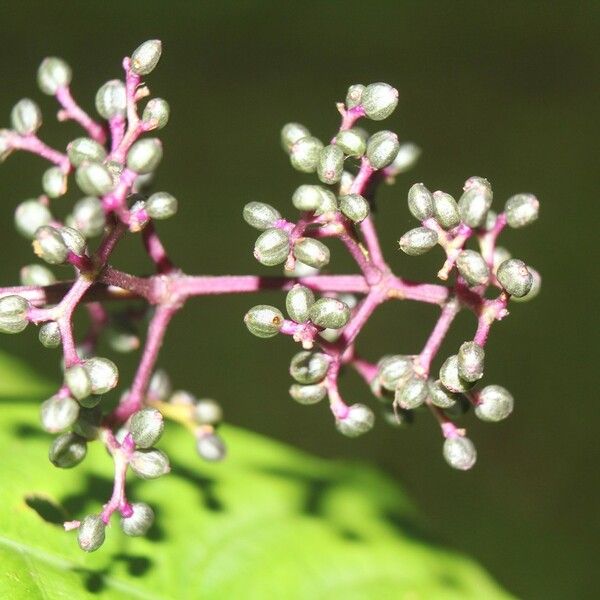
- 🍒 The Berries: Once the flowers fade, they are replaced by small, round berries that transition from green to a vivid red or orange when ripe.
🏡 In Your Garden
- ☁️ Cloud Forest Vibes: Because it originates from high-altitude rainforests, this plant craves high humidity and consistent moisture. It "breathes" through its leaves, so a dry living room without a humidifier might lead to crispy leaf edges.
- 🌱 Root Sensitivity: It has a somewhat delicate root system that prefers "airy" organic soil. It hates "wet feet" (sitting in stagnant water) but will wilt dramatically if the soil dries out completely, acting as a bit of a "drama queen" to let you know it's thirsty.
⚠️ Safety & Toxicity
- 🚫 Toxic Status: As a member of the Solanaceae (Nightshade) family, this plant should be treated with high caution.
- 🐾 Pets & Children: All parts of the plant, especially the unripened berries and leaves, contain alkaloids that are toxic if ingested. Keep it on a high shelf or in a protected area away from curious cats, dogs, or toddlers.
✨ Fun Fact
The genus Witheringia was named in honor of William Withering, an 18th-century British physician who is famous for discovering the medical uses of Digitalis (Foxglove) to treat heart conditions!

Detailed Care Instructions








