Plant Overview
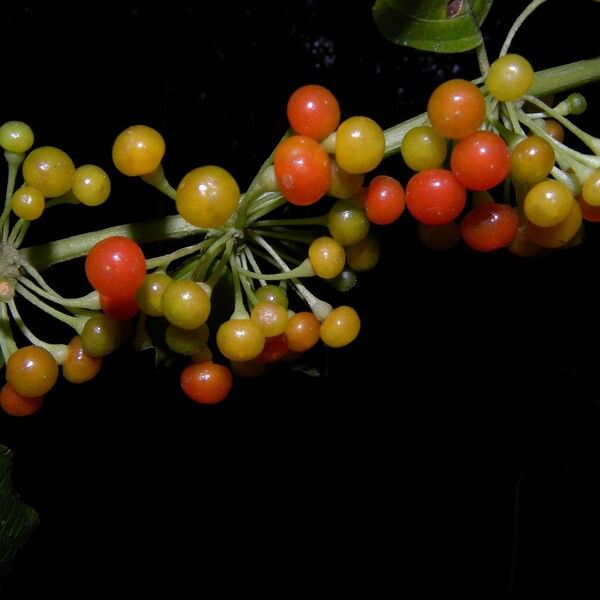
Often referred to as a "Wild Nightshade" or simply by its botanical name, Witheringia solanacea is a resilient shrub native to the tropical forests of Central and South America. While it lacks a catchy common name, its vibrant red berries and star-shaped blooms make it a standout resident of the rainforest understory. It is a close relative of the tomato and potato, though it plays a much more wild and untamed role in its natural ecosystem.
🔍 How to Identify
- 🌼 The Flowers: Look for small, nodding, star-shaped blossoms that range from pale yellow to creamy white. They often feature a distinct cone of bright yellow anthers in the center, a classic hallmark of the Nightshade family.
- 🍒 The Fruit: It produces glossy, spherical berries that turn a brilliant scarlet red when ripe. They look remarkably like tiny cherry tomatoes but should never be mistaken for them.
- 🍃 The Foliage: The leaves are usually dark green and ovate, often growing in pairs where one leaf is significantly smaller than the other—a botanical quirk known as "anisophylly."
🏡 In Your Garden
- ☁️ Light Preferences: Because it originates in the forest understory, this plant thrives in dappled light or partial shade. It is an excellent choice for those "tricky" corners of a greenhouse or tropical garden where direct sun rarely reaches.
- 💧 Thirsty Roots: It prefers consistently moist, humus-rich soil. It is not drought-tolerant and will quickly "faint" or wilt if the soil dries out completely, though it usually bounces back once watered.
- ✂️ Growth Habit: Left to its own devices, it can become somewhat "leggy." Light pruning after the fruiting cycle helps encourage a bushier, more compact shape.
⚠️ Safety & Toxicity
- 🚫 Status: Generally considered toxic.
- 🐾 Details: As a member of the Solanaceae family, this plant contains various alkaloids (similar to solanine). Ingesting the berries or leaves can cause gastrointestinal distress, drooling, or lethargy in pets and humans. It is best treated as an ornamental plant and kept out of reach of curious children and animals.
✨ Fun Fact
In the wild, Witheringia solanacea is a favorite snack for various species of fruit-eating bats. These bats act as the plant's primary "gardeners" by eating the berries and dispersing the seeds across the forest floor as they fly!

Detailed Care Instructions
To grow Witheringia solanacea, also known as Devil's Trumpet or Devil's Breath, follow these steps:
- Climate: Ensure you live in a suitable climate for Witheringia solanacea. It is native to the tropical and subtropical regions of Central and South America. It prefers warm temperatures between 70°F (21°C) and 85°F (29°C). If you live in a colder climate, you can try growing it indoors or in a greenhouse.
- Soil: The plant prefers well-draining soil with a slightly acidic to neutral pH (around 6.0 to 7.0). Use a high-quality potting mix enriched with organic matter like compost or perlite to improve the drainage.
- Sunlight: Witheringia solanacea thrives in full sun but can tolerate partial shade. Make sure to provide it at least 6-8 hours of direct sunlight every day.
- Watering: Keep the soil consistently moist but not waterlogged. Allow the top inch of soil to dry before watering again. Avoid overwatering as it can lead to root rot.
- Fertilizer: Feed the plant with a balanced fertilizer every 2-3 weeks during the growing season (spring and summer). Choose a fertilizer with equal ratios of nitrogen, phosphorus, and potassium.
- Pruning: Regularly prune the plant to maintain its shape and encourage branching. Pinching off the tips of the branches can promote bushier growth.
- Pests and diseases: Monitor the plant for pests like aphids or spider mites. If you notice any infestation, treat it with an insecticidal soap or neem oil spray. Watch out for fungal diseases like powdery mildew and treat them promptly with an appropriate fungicide.
- Propagation: Witheringia solanacea can be propagated from both seeds and cuttings. Collect ripe seeds from the plant and sow them in well-draining soil, covering them lightly. For cuttings, take a 6-8 inch stem cutting from a healthy plant, remove the lower leaves, and stick it in a pot filled with moist soil. Keep the cutting in a warm and humid environment until it develops roots.
By following these steps, you can successfully grow Witheringia solanacea and enjoy its unique trumpet-shaped flowers.
To properly water this plant, it is important to first check the soil for moisture levels. Insert your finger about an inch into the soil to determine whether it is dry or moist. If the soil is dry, it is time to water the plant. It is best to water the plant deeply, allowing the water to soak into the soil and reach the plant's roots. However, it is important to avoid overwatering the plant as this can lead to root rot. It is also important to avoid getting water on the plant's leaves as this can increase the risk of fungal growth. To reduce the risk of disease, it is recommended to water the plant in the morning when the leaves can dry off during the day.
The recommended fertilization schedule for this plant is to apply a balanced nitrogen-phosphorus-potassium (NPK) fertilizer once every six weeks during the growing season. It's important to avoid over-fertilization, as this can lead to burnt leaves or stunted growth. Additionally, the soil should be kept moist but not waterlogged, as excess moisture can cause root rot. Use a well-draining soil mix and water your plant as needed, especially during hot, dry weather.
Witheringia Solanacea plants thrive in well-draining soil that is rich in nutrients. The soil should be slightly acidic, with a pH between 5.5 and 6.5. A mixture of peat moss and perlite is ideal for this plant, as it mimics the natural growing conditions of its native habitat. Additionally, adding organic matter such as compost or leaf mold to the soil can help improve soil structure and promote healthy growth. It is important to avoid using soil that is heavy and compact, as this can restrict root development and lead to plant stress. Regular watering and fertilizing will also help ensure that the Witheringia Solanacea plant stays healthy and vibrant.
To propagate this plant, you will need to take stem cuttings from a mature and healthy plant. Select a stem that is around 4-6 inches long and has healthy leaves on it. Cut the stem just below a node (where the leaves are attached) using a clean, sharp pair of scissors or a knife. Remove the lower leaves from the stem, leaving only a few leaves at the top. Dip the cut end of the stem in rooting hormone powder and place it in a pot filled with a well-draining soil mix. Water the cutting well and cover it with a plastic bag to create a humid environment. Keep the soil moist but not waterlogged and place the pot in a bright and warm spot but out of direct sunlight. Check the cutting regularly for signs of new growth, which indicates that it has rooted. Once the cutting has rooted, you can transplant it into a larger pot or into your garden.








