Plant Overview
Often called the Sword-bogmat or Mud-midget, this tiny botanical wonder is a member of the duckweed family and holds the title of one of the world's smallest flowering plants. Looking like delicate green slivers floating just beneath the water's surface, Wolffiella gladiata often creates a seamless, emerald carpet across quiet ponds and swamps, appearing more like a layer of moss than a complex vascular plant.
🔍 How to Identify
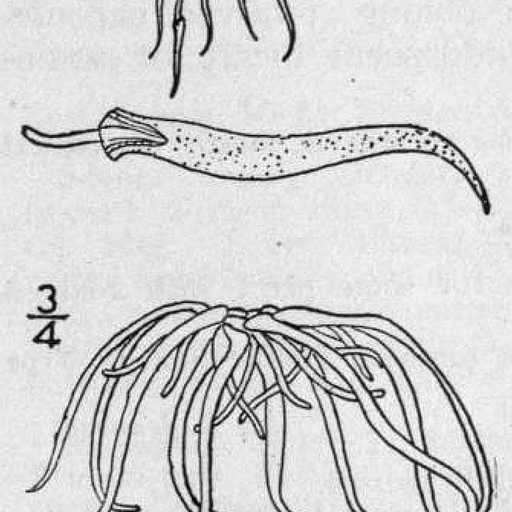
- ⚔️ Sword-Like Fronds: The plant consists of a single, thin, flat leaf (frond) that is slightly curved or sickle-shaped, resembling a miniature green sword.
- 🚫 Rootless Wonder: Unlike common duckweed, this species has no roots at all; it absorbs all its nutrients directly through its body from the surrounding water.
- 📏 Microscopic Scale: Each individual frond is incredibly small, usually measuring between 3 to 9 millimeters in length and less than a millimeter wide.
🏡 In Your Water Garden
- 💧 Still Waters: In a home pond or aquarium, the Sword-bogmat thrives in stagnant or very slow-moving water. It dislikes heavy filtration or surface agitation, which can tumble and damage its fragile fronds.
- 🦆 Natural Filter & Snack: It acts as a superb natural water purifier by absorbing excess nitrates. However, be aware that goldfish and ducks consider it a gourmet snack and may devour a colony overnight!
- 🌡️ Temperature Sensitivity: While it is quite hardy, it prefers nutrient-rich, slightly acidic water and can struggle if the water becomes too alkaline or the light is too dim.
⚠️ Safety & Toxicity
- ✅ Safe Status: Wolffiella gladiata is non-toxic to humans, dogs, cats, and livestock. In fact, many species in this family are being studied as a high-protein "superfood" for the future.
- 🦠 Environmental Warning: While the plant itself is safe, it grows in stagnant water where harmful bacteria or parasites may dwell. Always wash your hands after maintaining a pond or handling aquatic plants.
✨ Fun Fact
The flowers of the Wolffiella are so small that they are produced in a tiny pit on the upper surface of the plant; they are almost impossible to see without a high-powered magnifying glass or microscope!

Detailed Care Instructions
To grow Wolffiella Gladiata, also known as watermeal or duckweed, follow these steps:
- Acquire the plant: You can purchase Wolffiella Gladiata from nurseries, online vendors, or find it in natural bodies of water where it is native.
- Choose a suitable container: Since Wolffiella Gladiata is an aquatic plant, it requires a small, shallow container filled with still water. A fish tank, glass or plastic container can work well.
- Fill the container with water: Fill the container with dechlorinated water, such as pond or rainwater. Avoid tap water as it may contain chemicals harmful to the plant.
- Add the plant: Place a small amount of Wolffiella Gladiata into the water. Start with a few specimens and adjust the amount depending on your preference and the container's size.
- Provide appropriate lighting: Position the container in a location where the plant receives ample light, preferably in indirect sunlight. If the light is too intense, consider shading the container to prevent excess heat and drying out.
- Maintain water conditions: Regularly monitor the water temperature, which should ideally be between 20-28°C (68-82°F). Maintain the water level, making sure it covers the plant but does not submerge it entirely. Replace any evaporated water with dechlorinated water.
- Control water quality: Monitor water quality regularly by checking the pH levels. Wolffiella Gladiata prefers a slightly acidic to neutral pH of around 6.0-7.5. Test kits are available at garden centers or online.
- Add nutrients if necessary: If the plant's growth appears stunted, you may need to supplement the water with a suitable aquatic fertilizer. Follow the manufacturer's instructions for dosage and frequency.
- Monitor growth and density: Regularly observe the growth of the Wolffiella Gladiata. If it becomes too dense, thin it out to prevent overcrowding, which could lead to poor health and growth.
- Harvest and propagate: Once the plants have multiplied, harvest excess Wolffiella Gladiata by scooping them out with a net or strainer. You can propagate them by introducing them to other containers or bodies of water.
- Enjoy and maintain: Continue to provide suitable growing conditions, monitor the plant's health, and adjust as necessary to keep it thriving.
Note: In some regions, growing Wolffiella Gladiata may be regulated due to its invasiveness. Check with your local authorities or extension office to ensure you can grow it legally in your area.

Place in a bright room that is sun drenched almost all day. Or directly in a south-facing window.

To water the Wolffiella Gladiata plant, use room temperature water to avoid shocking the plant. Pour the water directly onto the soil or substrate, making sure to thoroughly moisten the root system. Avoid overwatering, as this can lead to root rot and other issues. Check the moisture levels in the soil regularly by sticking your finger into the soil up to your first knuckle. Water only when the top inch of soil feels dry to the touch. Proper watering is essential for the health and growth of the plant, so pay attention to its watering needs and adjust accordingly.
To fertilize this aquatic plant, use a balanced fertilizer with a formulation of 10-10-10 or 20-20-20. Mix the fertilizer with water according to the package instructions and apply it to the planted area. Avoid excessive fertilization to prevent the accumulation of nutrients in the water, which can lead to harmful algal blooms. Additionally, monitor the pH level of the water to ensure it remains within the ideal range for the plant's growth.
For optimal growth and health of this aquatic plant, it is recommended to use a soil that is rich in nutrients and organic matter. The soil should have a balanced pH level that is slightly alkaline and a good drainage system. It is important to avoid using soils that have high levels of salinity or heavy metals, as Wolffiella Gladiata is sensitive to these types of soil conditions. Adding fertilizers or organic matter to the soil can also help improve the growth of the plant. When planting the Wolffiella Gladiata, it is important to ensure that the soil is compact and well-packed around the roots to prevent any air pockets. Additionally, it is recommended to plant the Wolffiella Gladiata in a container or pond with high water circulation to ensure proper aeration and avoid any stagnant water conditions.
Wolffiella Gladiata is a plant that can be propagated using the vegetative method. To propagate this plant, first, locate the mature and healthy plants from which to take cuttings. Cut a small section of the plant using a sterilized pair of scissors or razor blade, ensuring that there are at least two leaves or fronds attached. Place the cutting in a clean, water-filled container, and add a small amount of liquid fertilizer to the water to provide the necessary nutrients for the cutting to grow. It is essential to keep the cutting in bright light or indirect light and ensure that the water is changed regularly to prevent the growth of algae or other harmful bacteria. After a few weeks, the cutting will begin to produce roots, and when the roots are at least one inch long, the cutting can be transplanted into a pot or planted directly in the soil. With proper care, the plant will continue to grow and propagate, creating new plants that can be transplanted to other locations as desired.








