Plant Overview
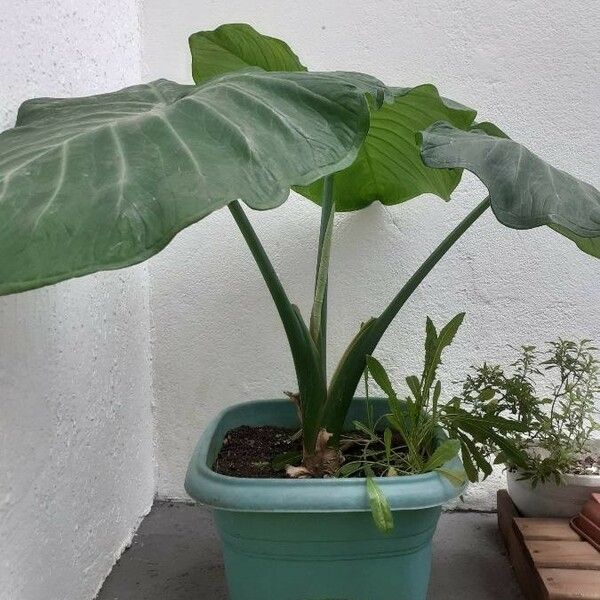
Often called the "Taioba" or "Arrowleaf Elephant Ear," this lush tropical giant is a staple of Brazilian landscapes and traditional kitchens. With massive, vibrant green leaves that look like they belong in a prehistoric jungle, it brings an instant sense of drama to any space. While many admire it for its architectural beauty, it also holds a prestigious spot in "PANC" (Plantas Alimentícias Não Convencionais) circles as a nutritious, edible green—provided you know how to handle it.
🔍 How to Identify
- 🍃 Leaf Shape: Large, dramatic arrow-shaped (sagittate) leaves that can grow over two feet long in ideal conditions.
- 🟢 The Sinus: A key identifier is the deep "V" notch where the leaf meets the stem. Unlike Colocasia, where the stem attaches toward the center of the leaf, Xanthosoma stems attach directly at the leaf's edge.
- 💪 Stem Texture: Thick, succulent green petioles (stems) that are sturdy enough to support the heavy weight of the foliage.
🏡 In Your Garden
- 💧 Thirsty Roots: This plant thrives in high humidity and consistently moist soil. It is a "heavy drinker," especially during the peak of summer, and will droop dramatically if it feels even slightly dehydrated.
- ⛅ Filtered Light: While it loves the warmth, direct afternoon sun can scorch the tender green leaves. It performs best in dappled shade or a spot that receives soft morning light.
- 🪴 Feeding Habits: Because it produces such massive foliage, it is a heavy feeder. It appreciates rich, organic compost or regular fertilization to keep those leaves looking deep green and glossy.
⚠️ Safety & Toxicity
- 🐾 Pet Warning: Contains insoluble calcium oxalate crystals. If chewed by cats or dogs, it causes intense oral irritation, drooling, and swelling of the throat.
- 🧤 Skin Irritation: The sap can be an irritant to humans with sensitive skin. It is always wise to wear gloves when pruning or dividing the tubers to avoid "stinging" sensations.
- 🍳 Edibility Note: While the "Taioba-mansa" variety is edible and delicious, it must be cooked thoroughly to destroy the oxalate crystals. Never consume any part of the plant raw, as it will feel like swallowing tiny needles.
✨ Fun Fact
In its native tropical regions, the massive, water-repellent leaves of the Taioba are famously used by locals as "nature’s umbrellas" to stay dry during sudden, heavy rainforest downpours!

Detailed Care Instructions
To grow Xanthosoma Taioba, also known as Tannia or Cocoyam, you can follow these steps:
- Obtain a healthy Taioba tuber from a reputable source. You can find them at plant nurseries or order them online.
- Select a suitable location for planting. Taioba plants prefer partial shade or filtered sunlight. They also need well-draining soil that is rich in organic matter.
- Prepare the planting area by loosening the soil and removing any weeds or rocks. Mix in compost or well-rotted manure to improve the soil fertility.
- Dig a hole that is deep enough to accommodate the tuber comfortably. Place the tuber with the pointed side facing up. The top of the tuber should be at ground level or slightly above.
- Cover the tuber with soil, ensuring that it is firmly in place. Gently water the area to settle the soil and provide moisture.
- Maintain consistent moisture levels in the soil. Taioba plants prefer slightly moist soil, but they should not be sitting in water. Water the plant regularly, especially during dry periods, but avoid overwatering.
- Apply organic mulch around the plant to help retain soil moisture, suppress weed growth, and provide nutrients as it breaks down.
- Protect the plant from extreme temperatures. Taioba plants are sensitive to frost and cold temperatures. If you live in a colder climate, consider growing them in containers and bringing them indoors during winter.
- As the plant grows, provide support if needed. Taioba plants can reach heights of 3 to 6 feet, so adding stakes or trellises can help support the foliage.
- Fertilize the plant periodically. You can use a balanced organic fertilizer or a slow-release granular fertilizer according to the package instructions. Be careful not to over-fertilize, as it can lead to excessive foliage growth and less tuber production.
- Harvest the tubers when they reach a suitable size. This typically occurs after 8-10 months of planting. Gently dig around the plant to unearth the tubers without damaging them.
- After harvesting, store the tubers in a cool, dry place to allow them to cure for a week or two. This helps improve their flavor and texture.
By following these steps, you can successfully grow Xanthosoma Taioba and enjoy its tasty tubers.
Xanthosoma Taioba plant requires regular watering to thrive. It is important to ensure that the soil is moist but not waterlogged. This can be achieved by watering the plant thoroughly but allowing the soil to drain excess water. The frequency of watering depends on the humidity and temperature of the plant's environment. In hot and dry weather, watering may need to be increased, whereas in cooler temperatures, watering can be reduced. It is important to avoid overwatering, as this can damage the plant's roots and lead to root rot. The plant also benefits from misting, which can increase the humidity levels around the plant and prevent the leaves from drying out. It is recommended to use room-temperature water when watering the plant, as cold water can shock the roots and warm water can stimulate growth too quickly.
To fertilize this plant, use a balanced, water-soluble fertilizer with an N-P-K ratio of 10-10-10 or similar. Mix the fertilizer according to the instructions on the label and apply it to the soil around the base of the plant. Avoid getting the fertilizer on the leaves or stem of the plant as this can cause damage. Fertilize every 2-3 weeks during the growing season, and reduce fertilization during the dormant season. Water the plant thoroughly after fertilizing to help the nutrients reach the roots.
The ideal soil for the Xanthosoma Taioba plant is a well-draining and nutrient-rich soil that is slightly acidic with a pH level of 5.5 to 6.5. The soil should be loose, light, and airy to provide ample oxygenation to the roots. A mixture of organic matter such as compost, peat, and perlite can be added to the soil to increase its nutrient content and improve its texture. The plant prefers moist soil and should not be allowed to dry out completely, but it is also essential to avoid waterlogging the soil, which can lead to root rot. Overall, the best soil for Xanthosoma Taioba should be fertile, well-draining, and capable of retaining moisture without becoming waterlogged.
To propagate the plant species known as Xanthosoma Taioba, you will need to first identify a healthy and mature plant from which you can extract a cutting. Once you have selected a suitable plant, use a sharp and sterile knife to take a cutting from its stem or root. Be sure to make the cut as close to the stem or root as possible to avoid damaging the parent plant.
Next, prepare a pot with moist potting soil or a mixture of organic matter such as coconut coir or peat moss and perlite. Moisture levels should be sufficient to root the cutting, but not so wet as to cause rotting or mold.
Place the cutting into the prepared soil or organic matter mixture, making sure that the bottom of the cutting is planted at least an inch deep to allow for proper rooting. Cover the pot and cutting with a plastic bag or dome to create a humid environment that encourages root growth.
Place the pot in a well-lit area, ideally with indirect sunlight, and maintain an even temperature of around 70°F (21°C). Keep the soil moist, but avoid soaking it.
Check the cutting after several weeks for signs of root development. Once the cutting has established roots, you can transfer it to a larger pot or directly to the ground.
Continue to provide the plant with ample moisture and nutrients to ensure its healthy growth and development. With proper care, your propagated Xanthosoma Taioba plant can grow into a lush and beautiful addition to your garden.