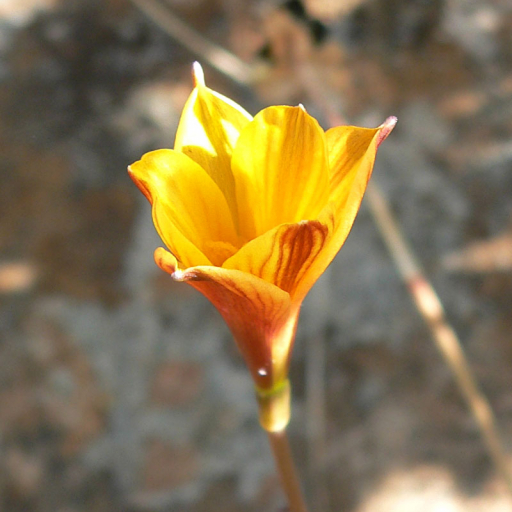
Plant Overview
The Zephyranthes tubispatha, commonly known as the "Rio de la Plata Rain Lily" or "Barbados Snowdrop," is a master of timing. These bulbs are famous for their "magic" trick: staying dormant and invisible until a heavy summer rain triggers them to burst into bloom almost overnight. Often found carpeting meadows in South America, they bring a sense of sudden, ethereal beauty to any garden they inhabit.
🔍 How to Identify
- 🌸 The Bloom: Look for delicate, trumpet-shaped flowers that face skyward. They are typically a shimmering white or pale pink, often featuring a subtle green tint at the very base of the petals.
- 🍃 The Foliage: Before or during the flowering stage, thin, grass-like leaves emerge. These are deep green, narrow, and can easily be mistaken for common lawn grass when the plant isn't in bloom.
- 🌱 Growth Habit: This plant grows from small, brown-skinned bulbs. It remains low to the ground, usually reaching only 6 to 10 inches in height, making it a perfect "filler" for rock gardens.
🏡 In Your Garden
- 💧 The "Rain" Trigger: To see this plant at its best, mimic nature’s cycle. It prefers a period of dryness followed by a deep soaking. This sudden influx of moisture signals the bulb to send up a flower stalk immediately, often before the leaves even appear.
- ☀️ Sun & Soil: While it loves bright sunlight to produce the best blooms, it appreciates a bit of afternoon shade in scorching climates. Ensure your soil is "sandy-loam" style; the bulbs are prone to rotting if they sit in soggy, heavy clay during their dormant phase.
⚠️ Safety & Toxicity
- 🚫 Status: Toxic to ingest.
- 🐾 Details: Like many members of the Amaryllis family, these plants contain various alkaloids, including lycorine. If eaten, they can cause vomiting, diarrhea, and abdominal pain in humans, cats, and dogs. It is best to plant them in areas where curious pets won't be tempted to dig up the bulbs.
✨ Fun Fact
The name Zephyranthes is derived from the Greek words "Zephyrus" (the God of the West Wind) and "anthos" (flower). This refers to the way these delicate blooms sway and dance in the breezy, moist winds that typically precede the rainstorms they love so much.

Detailed Care Instructions
Growing Zephyranthes tubispatha, commonly known as Rain Lily, can be a rewarding experience due to its attractive blooms and relatively easy care requirements. Here are steps to help you successfully grow this plant:
Selecting Bulbs:
- Purchase Quality Bulbs: Start with healthy, firm bulbs free from mold or damage.
Planting:
- Choose the Right Location: Zephyranthes tubispatha prefers full sun to partial shade. Ensure the location receives at least 4-6 hours of direct sunlight daily.
- Soil Preparation: Use well-draining soil. These plants do well in a mix that is sandy or loamy to prevent waterlogging.
- Soil pH: They prefer a slightly acidic to neutral pH (around 6.0 to 7.0).
- Soil pH: They prefer a slightly acidic to neutral pH (around 6.0 to 7.0).
- Spacing and Planting Depth:
- Plant the bulbs about 1-2 inches deep (2.5-5 cm) and 3-4 inches apart (7.5-10 cm).
- The pointed end of the bulb should face upwards.
Watering:
- Plant the bulbs about 1-2 inches deep (2.5-5 cm) and 3-4 inches apart (7.5-10 cm).
- Initial Watering: Water the bulbs well after planting to help them settle in the soil.
- Regular Watering: Keep the soil consistently moist but not waterlogged.
- These plants thrive with moderate watering and may tolerate short dry periods.
- They are called Rain Lilies because they often bloom in response to rainfall or heavy watering.
Fertilizing:
- These plants thrive with moderate watering and may tolerate short dry periods.
- Fertilizer: Use a balanced, water-soluble fertilizer (e.g., 10-10-10 N-P-K) every 4-6 weeks during the growing season (spring through fall).
Care and Maintenance:
- Mulching: Apply a layer of mulch to help retain moisture and control weeds.
- Pruning: Deadhead spent flowers to encourage more blooms and prevent the plant from channeling energy into seed production.
- Pest and Disease Control: These plants are generally hardy and resistant to pests and diseases. However, keep an eye out for aphids or snails and treat accordingly if needed.
Winter Care (for colder regions):
- Frost Protection: In areas with frost, you may need to lift the bulbs and store them indoors over winter.
- Dig up the bulbs before the first frost, let them dry, and store them in a cool, dark, and dry place.
Propagation:
- Dig up the bulbs before the first frost, let them dry, and store them in a cool, dark, and dry place.
- Division: Zephyranthes tubispatha can be propagated by dividing clumps of bulbs after the foliage has died back. Replant them immediately or store until the next planting season.
By following these steps and providing the right care, you should be able to enjoy the delightful blooms of Zephyranthes tubispatha in your garden. Happy gardening!
Watering Zephyranthes tubispatha requires attention to its specific needs, which are influenced by its natural habitat and growth cycle. Here are detailed guidelines on how to water this plant:
- Soil Moisture: Ensure the plant is potted in well-draining soil. This helps prevent waterlogging, which can lead to root rot.
- Growth Cycle:
- Active Growing Season: Typically, this plant’s active growth period occurs during warmer months. During this phase, water the plant generously but allow the soil to dry out between watering sessions. This replicates the natural environmental conditions where it might experience periods of heavy rain followed by drier spells.
- Dormant Period: In cooler months or when the plant is not actively growing, reduce the frequency of watering. The soil should be kept just barely moist, as over-watering during dormancy can cause bulb rot.
- Active Growing Season: Typically, this plant’s active growth period occurs during warmer months. During this phase, water the plant generously but allow the soil to dry out between watering sessions. This replicates the natural environmental conditions where it might experience periods of heavy rain followed by drier spells.
- Weather Conditions: Adjust watering frequency based on local weather conditions. In hot and dry climates, the plant may require more frequent watering than in cooler, more humid environments.
- Watering Technique:
- Use a watering can with a narrow spout or a hose with a gentle spray to direct water towards the base of the plant, avoiding excessive moisture on the leaves.
- Water early in the morning or late in the afternoon to minimize evaporation and allow the plant to absorb moisture more effectively.
- Use a watering can with a narrow spout or a hose with a gentle spray to direct water towards the base of the plant, avoiding excessive moisture on the leaves.
- Drainage: Ensure that the pot or garden bed where the plant is growing has proper drainage. Stagnant water can lead to fungal infections and root rot.
- Indicator Method: Check the moisture level by inserting your finger about an inch into the soil. If the soil feels dry at this depth, it is time to water.
- Environmental Humidity: In areas with low environmental humidity, you might need to increase watering frequency slightly, but still allowing periods for the soil to dry out.
By following these guidelines, you will provide optimal watering conditions for Zephyranthes tubispatha, helping it to thrive and produce its characteristic blooms.
Here's how you can fertilize your Zephyranthes Tubispatha:
- Timing: Fertilize the plant during its active growing season, which typically spans from spring to early fall. Avoid fertilizing during the dormant period.
- Type of Fertilizer: Use a balanced, water-soluble fertilizer with an even ratio of nitrogen, phosphorus, and potassium (for example, a 10-10-10 or 20-20-20 formula).
- Dilution: Dilute the fertilizer to half the strength recommended on the package to prevent over-fertilization, which can damage the plant.
- Application Frequency: Feed the plant once a month during the growing season. For more vigorous growth, you can fertilize every two weeks using a diluted solution.
- Application Method: Water the plant thoroughly before applying the fertilizer. Apply the diluted liquid fertilizer directly to the soil around the base of the plant, avoiding contact with the leaves.
- Organic Option: If you prefer organic fertilizers, you can use a compost tea or fish emulsion, following the instructions on the product label.
- Soil Assessment: Periodically check the soil to ensure it is not becoming overly rich in nutrients, which can lead to lush foliage at the expense of flowering.
Following these steps will help ensure your Zephyranthes Tubispatha thrives and blooms beautifully.
Zephyranthes tubispatha, known for its attractive blooms, thrives best in well-draining soil. The ideal soil mix for this plant should be rich in organic matter while maintaining good aeration and drainage. Here's a detailed breakdown of the right soil composition for growing Zephyranthes tubispatha:
- Soil Texture: Use a loamy soil that combines sand, silt, and clay. This ensures the soil is neither too heavy (clayey) nor too light (sandy), providing a balanced medium that retains moisture yet drains well.
- Organic Matter: Incorporate well-decomposed compost or aged manure into the soil to enhance its fertility. Organic matter improves soil structure, provides essential nutrients, and supports beneficial microbial activity.
- Drainage: Ensure excellent drainage by adding components like perlite, coarse sand, or fine gravel to the soil mix. Zephyranthes tubispatha is prone to bulb rot if the soil remains waterlogged.
- pH Level: Maintain a slightly acidic to neutral pH range (6.0 to 7.0). You can test the soil pH using a home test kit and amend it with lime if it’s too acidic or sulfur if it’s too alkaline.
- Nutrient Content: The soil should be rich in essential nutrients. Regularly incorporate balanced, slow-release fertilizers to provide a steady supply of nutrients.
- Soil Depth: Plant the bulbs in a soil depth that allows room for root expansion. The top of the bulb should be about 1-2 inches below the soil surface.
By ensuring these conditions in your soil mixture, Zephyranthes tubispatha can grow healthily, producing vibrant blooms. Regular maintenance, such as avoiding overwatering and providing periodic fertilization, will further support the plant's development.
Propagating Zephyranthes tubispatha can be done through both seeds and bulb division. Here are the detailed steps for each method:
Seed Propagation:
- Seed Collection:
- After the flowering period, allow the seed pods to mature and dry on the plant.
- Once the seed pods are mature, they will start to split open, revealing the seeds inside.
- After the flowering period, allow the seed pods to mature and dry on the plant.
- Seed Preparation:
- Collect the seeds carefully and allow them to dry for a few days in a shaded, well-ventilated area.
- Make sure the seeds are fully dried before sowing.
- Collect the seeds carefully and allow them to dry for a few days in a shaded, well-ventilated area.
- Sowing Seeds:
- Fill a seed tray or small pots with a well-draining potting mix. A mix of peat and perlite works well.
- Lightly press the seeds onto the surface of the soil and cover them with a thin layer of the potting mix.
- Mist the soil surface lightly with water to moisten it.
- Fill a seed tray or small pots with a well-draining potting mix. A mix of peat and perlite works well.
- Germination:
- Place the tray or pots in a warm, bright location, but out of direct sunlight.
- Keep the soil consistently moist but not waterlogged.
- Germination can take a few weeks to a couple of months, depending on conditions.
- Place the tray or pots in a warm, bright location, but out of direct sunlight.
- Transplanting:
- Once the seedlings have developed a few true leaves and are large enough to handle, they can be transplanted into larger pots or directly into the garden.
- Ensure they are planted in well-draining soil and receive adequate light.
Bulb Division:
- Once the seedlings have developed a few true leaves and are large enough to handle, they can be transplanted into larger pots or directly into the garden.
- Timing:
- The best time to divide the bulbs is during the plant's dormant period, typically in late fall or early spring.
- The best time to divide the bulbs is during the plant's dormant period, typically in late fall or early spring.
- Lifting Bulbs:
- Carefully dig around the plant to lift the clump of bulbs from the soil.
- Gently shake off excess soil and separate individual bulbs from the clump.
- Carefully dig around the plant to lift the clump of bulbs from the soil.
- Preparing Bulbs:
- Inspect the bulbs for any signs of disease or damage. Discard any unhealthy bulbs.
- Allow the separated bulbs to dry for a few hours in a shaded place before replanting.
- Inspect the bulbs for any signs of disease or damage. Discard any unhealthy bulbs.
- Planting:
- Prepare the new planting site or pots with well-draining soil.
- Plant the bulbs at a depth of about 2-3 inches, with the pointed end facing upwards.
- Space the bulbs a few inches apart to allow room for growth.
- Prepare the new planting site or pots with well-draining soil.
- Aftercare:
- Water the newly planted bulbs thoroughly after planting.
- Maintain consistent moisture, but avoid waterlogging the soil.
- Place the bulbs in a location where they will receive full to partial sunlight.
By following these methods, you can successfully propagate Zephyranthes tubispatha and enjoy its beautiful blooms in your garden or indoor spaces.
- Water the newly planted bulbs thoroughly after planting.








