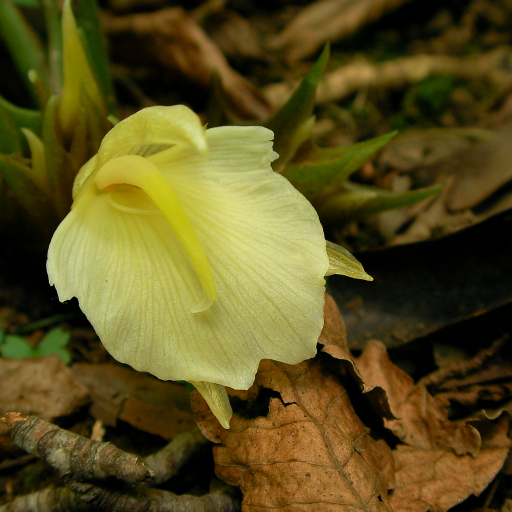
Plant Overview
Often called the "Japanese Ginger," Zingiber mioga is a gourmet favorite that hides its treasures at the base of its stems. Unlike common ginger, which is grown for its spicy root, Myoga is prized for its crunchy, zesty flower buds and young shoots. It is a staple in Japanese high-end cuisine and a must-have for any shade-loving "food forest" or woodland garden.
🔍 How to Identify
- 🍃 Elegant Foliage: It features long, lance-shaped, bright green leaves that grow in a graceful, fan-like pattern, resembling a small palm or a tropical lily.
- 🌸 Hidden Buds: The edible parts are the flower buds, which emerge directly from the soil at the base of the plant in late summer. They are teardrop-shaped with beautiful pinkish-purple outer scales.
- 📏 Growth Habit: It forms a dense, upright clumping mound that typically reaches between 2 and 4 feet in height.
🏡 In Your Garden
- 🌑 The Shade Specialist: This is one of the rare edible plants that actually prefers the dark. It thrives in dappled light or full shade, making it perfect for those tricky corners of the yard where other vegetables fail.
- ❄️ Winter Hardiness: Unlike tropical ginger, Myoga is quite hardy (down to USDA Zone 6). It will die back completely in the winter, but don't worry—it is a perennial and will re-emerge from its rhizomes once the ground warms in spring.
- 💧 Thirsty Roots: It loves "forest floor" conditions. This means rich, organic soil that stays consistently moist but never waterlogged.
⚠️ Safety & Toxicity
- 🍽️ Human Consumption: Perfectly edible and delicious! The flower buds are usually sliced thin and used as a refreshing garnish for miso soup, noodles, or sashimi.
- 🐾 Pets & Kids: Myoga is generally considered non-toxic to humans and pets. However, as with many ornamental ginger species, ingesting large amounts of raw foliage may cause mild stomach upset in curious cats or dogs.
✨ Fun Fact
In Japanese folklore, Myoga is known as the "Forgetfulness Herb." Legend says that a disciple of Buddha was so forgetful he couldn't even remember his own name; after he passed away, Myoga plants grew from his grave, leading to the playful myth that eating too much of it will make you lose your memory!

Detailed Care Instructions
Growing Zingiber mioga, also known as Japanese ginger or myoga ginger, requires specific care and conditions. Here are the steps to grow Zingiber mioga plants:
- Obtain Zingiber mioga rhizomes: You can source rhizomes from a nursery or online seed stores. Ensure the rhizomes are healthy and free from any signs of damage or disease.
- Soil preparation: Zingiber mioga plants prefer well-draining, fertile soil. Prepare the soil by loosening it and removing any weeds or debris. Add organic matter, such as compost or well-rotted manure, to improve soil fertility and drainage.
- Planting: Plant the rhizomes in late spring to early summer, after the risk of frost has passed. Dig a hole approximately 2-3 inches deep and place the rhizome horizontally in the hole, with the buds (eyes) facing upwards. Cover the rhizome with soil, leaving the buds exposed.
- Sunlight and temperature: Zingiber mioga plants thrive in partial shade to filtered sunlight. Choose a site that receives a few hours of direct sunlight in the morning or late afternoon but is protected from harsh afternoon sun. The plants prefer a cool climate with temperatures ranging from 50-80°F (10-27°C) during the growing season.
- Watering: Keep the soil consistently moist but not waterlogged. Water the plants regularly, especially during dry spells. Avoid overwatering, as this can lead to rotting of the rhizomes.
- Mulching: Applying a layer of organic mulch around the base of the plants helps retain moisture, suppresses weeds, and maintains a cooler soil temperature.
- Fertilization: Zingiber mioga plants benefit from regular feeding. Use a balanced organic fertilizer or a slow-release granular fertilizer according to the instructions on the packaging. Apply the fertilizer during the growing season, usually spring to early summer.
- Dividing: Zingiber mioga plants can be divided every few years to propagate new plants. To divide, carefully dig up the rhizomes and separate them, ensuring each division has at least one or two growing buds. Replant the divisions in well-prepared soil, following the same planting instructions mentioned above.
- Harvesting: Zingiber mioga is primarily grown for its edible flower buds and shoots. Harvest the flower buds before they fully open and the shoots once they reach the desired length. Regular harvesting encourages new growth and extends the harvest season.
Remember to research specific cultivar requirements and local growing conditions, as they might differ slightly. With proper care and attention, you can successfully grow Zingiber mioga plants in your garden.

Place in a window with dappled sun or a spot in the middle of a room. Or directly in a window facing west or east.

To water this plant, you should first check the soil moisture level by touching the top layer of soil with your finger. If it feels dry, then it's time to water. Use a watering can or hose to slowly water the soil, taking care not to splatter the leaves or stems. You want to make sure you're watering deeply enough so that the water reaches the roots, but also not over-watering which can lead to root rot. Depending on the temperature and humidity levels, you may need to water every couple of days or once a week. Additionally, it's important to make sure the drainage is good enough so that excess water can escape the bottom of the pot or container.
To fertilize this plant, use a balanced fertilizer with equal amounts of nitrogen, phosphorus, and potassium. Apply the fertilizer every 2-3 months during the growing season, which is from late March to early September. Apply the fertilizer at the base of the plant and avoid getting it on the foliage. Water the plant right after fertilizing to help the nutrients absorb into the soil. If the plant shows signs of nutrient deficiency, such as yellowing leaves or slow growth, increase the frequency of fertilization.
Zingiber Mioga plants prefer a well-draining soil that is rich in organic matter. A soil mixture that contains a balanced blend of sand, clay, and peat moss is best suited for these plants. It's important to avoid using heavy or compacted soils that may hold too much moisture, as this can lead to root rot and other fungal problems. Additionally, adding a layer of gravel or small stones to the bottom of the pot can help to improve drainage and prevent water from pooling around the roots. Finally, fertilizing with a slow-release fertilizer once every few months can help to provide the plant with essential nutrients and keep it healthy and vigorous.
To propagate this plant, you can follow these steps:
- Choose a healthy parent plant with strong and sturdy rhizomes.
- Use a sharp, clean knife to cut off a small section of the rhizome. Make sure that the section you cut off has at least one visible bud.
- Allow the cut section to dry out for a day or two, to avoid rotting.
- Fill a small pot with well-draining potting soil, and make a small hole in the center.
- Place the dried section of the rhizome into the hole and cover it with soil.
- Water the soil well, but make sure it's not waterlogged.
- Place the pot in a warm and bright spot, but avoid direct sunlight.
- Keep the soil moist but not too wet, and wait for new shoots to emerge.
- Once the new plant has grown a few inches tall, you can transplant it to a larger pot or directly into the ground if the weather is warm enough.
With proper care, the new plant should continue to grow and produce rhizomes, which you can then use to propagate even more plants.








