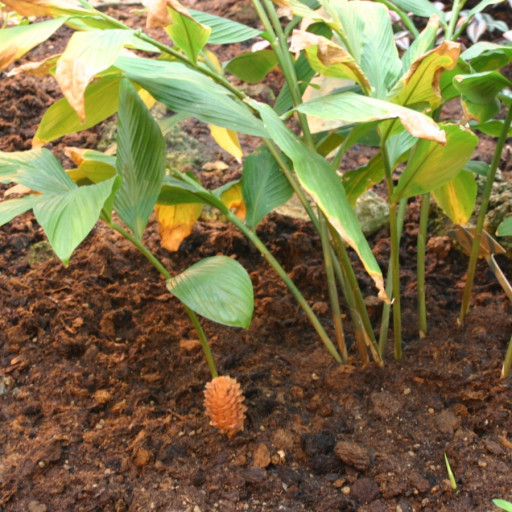
Plant Overview
Known globally as the "Shampoo Ginger Lily" or "Awapuhi," this tropical wonder is a favorite in Polynesian culture and permaculture gardens alike. It is most famous for its cone-shaped flower heads that, when squeezed, release a clear, fragrant, and sudsy liquid used for centuries as a natural hair cleanser. Whether you want a lush, Jurassic-looking landscape or a living apothecary, this ginger is a spectacular choice.
🔍 How to Identify
- 🔴 The "Pinecone" Bracts: The most iconic feature is the waxy, cone-shaped flower head. It begins as a bright green cluster and matures into a brilliant, fiery red as the season progresses.
- 🍃 Arching Foliage: The plant features long, lance-shaped leaves that grow in a sleek, alternate pattern along upright, fleshy stems, reaching heights of up to 4 to 6 feet.
- 🌼 Hidden Flowers: Look closely between the red scales of the "pinecone" to find small, pale-yellow or cream-colored flowers that poke out delicately for a short period.
🏡 In Your Garden
- 💧 The "Goldilocks" Moisture: While it loves humidity and consistent moisture, the rhizomes (roots) can rot if left in standing, stagnant water. Ensure your soil is rich in organic matter to hold moisture while allowing the excess to drain away.
- 💤 Winter Dormancy: Don’t panic if your plant completely disappears in the winter! This ginger is deciduous. It retreats into its underground rhizomes during the cold months, only to burst back to life with vigorous growth when the soil warms in spring.
⚠️ Safety & Toxicity
- ✅ Status: Generally non-toxic and safe.
- 👶 Family Friendly: This plant is considered safe for households with children and pets. In many cultures, the rhizomes are even used for medicinal teas or as a bitter spice (though they are much more bitter than common cooking ginger).
✨ Fun Fact
The clear juice inside the flower heads isn't just for show—it contains a natural surfactant called zerumbone. In Hawaii, it is a tradition to squeeze the "shampoo" directly onto your hair while bathing in a forest waterfall, leaving your hair soft, shiny, and smelling like a tropical dream!

Detailed Care Instructions
| Humidity | High |
| Lighting | Full Sun |
| Difficulty | Medium |
| Hibernation | Cold Period |
| Hardiness Zones | 8 - 10 |
To grow a Zingiber Zerumbet plant, also known as a shampoo ginger or bitter ginger, follow these steps:
- Obtaining a rhizome: Zingiber Zerumbet plants are commonly propagated using rhizomes, which are the underground stems of the plant. You can usually find these rhizomes at local nurseries or online plant stores.
- Choosing a location: Select a suitable spot for your plant. Zingiber Zerumbet prefers partial shade or filtered sunlight. Ensure the location has well-draining soil.
- Preparing the soil: Amend the soil with organic matter, such as compost, to improve its fertility and drainage. This plant prefers slightly acidic soil with a pH level of 5.5 to 6.5.
- Planting the rhizome: Dig a hole that is slightly larger than the rhizome. Place the rhizome in the hole, making sure the buds or eyes are facing upwards. Cover the rhizome with soil and gently firm it down.
- Watering: Water the plant thoroughly after planting to help with establishment. Keep the soil consistently moist but not waterlogged. Avoid overwatering as it can cause root rot.
- Mulching: Apply a layer of organic mulch around the plant to retain moisture and suppress weed growth. Avoid placing mulch directly against the stem to prevent it from rotting.
- Fertilizing: Feed the Zingiber Zerumbet plant with a balanced, slow-release fertilizer or organic fertilizer according to the instructions on the package. Apply the fertilizer during the growing season, usually spring and summer.
- Pruning: Remove any dead or yellowing leaves as needed to maintain the plant's appearance. You can also trim back any overly long or straggly stems.
- Protecting from cold: If you live in a colder climate, consider growing the plant in a container so it can be moved indoors during winter or provide frost protection using blankets or a greenhouse.
- Harvesting: Once the plant reaches maturity (usually after two years), you can harvest the rhizomes. Gently dig them up, taking care not to damage the plant. Rinse off the soil and dry the rhizome before using it.
Remember that Zingiber Zerumbet is a tropical plant, so it may require extra care and protection in cooler climates. By following these steps, you can successfully grow and enjoy the beauty and fragrance of the Zingiber Zerumbet plant.

Place in a window with dappled sun or a spot in the middle of a room. Or directly in a window facing west or east.

To water this plant, gently pour lukewarm water at the base of the stem, ensuring that the soil is moist but not waterlogged. Wait for the top few inches of the soil to dry out before watering again. Avoid getting water on the leaves or flowers as this may lead to fungal diseases. During the growing season, fertilize the plant every two weeks with a balanced liquid fertilizer. Prune dead or yellowing leaves to promote new growth and remove spent flowers to encourage blooming. Ensure that the plant is kept in a warm and humid environment with bright, indirect sunlight.
To fertilize this plant, use a balanced fertilizer with an N-P-K ratio of 10-10-10 or 20-20-20. Apply the fertilizer every 2-3 weeks during the growing season, from spring to fall. Mix the fertilizer with water according to the instructions on the packaging and apply it to the soil around the base of the plant, being careful not to splash it on the leaves. Avoid fertilizing during the winter, when growth slows down.
The ideal soil for the Zingiber Zerumbet plant should be well-draining, rich in organic matter, and slightly acidic with a pH range between 5.5 and 6.5. Sandy loam soil with excellent drainage capacity is recommended to avoid waterlogging and root rot, which can be fatal to the plant. Adding compost, leaf mold, or peat moss can improve soil fertility and increase water retention capacity. The soil should also be loose and airy to allow proper root development and aeration. Adding perlite or coarse sand can help increase porosity and drainage capacity. Avoid using heavy clay soils or soils with a high salt content as they can negatively affect the plant's growth and health.
The best way to propagate this plant is by division. Carefully dig up the parent plant and separate the clumps into small sections, making sure each section contains a healthy rhizome and some foliage. Plant the divisions in a moist and well-draining soil mixture, with the rhizomes just below the surface. Water the newly replanted divisions thoroughly and place them in a shaded area. Keep the soil moist and provide regular fertilization to ensure healthy growth.








