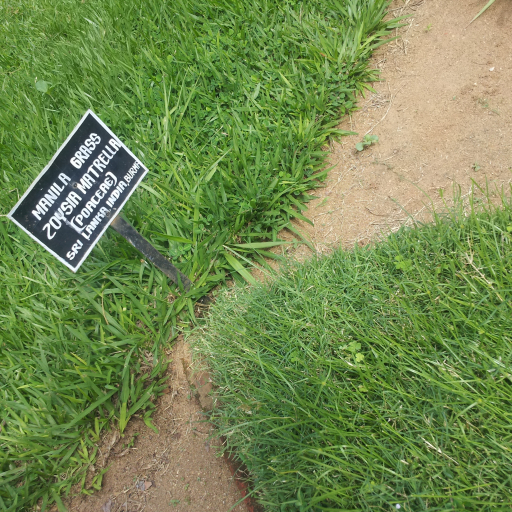
Plant Overview
Often called "Manila Grass" or "Temple Grass," Zoysia matrella is widely considered the "velvet" of the turf world. Native to the coastal regions of Southeast Asia, this grass is the go-to choice for high-end golf courses and luxury estates because of its incredibly dense, carpet-like feel. If you’ve ever walked barefoot across a lawn that felt more like a plush rug than outdoor greenery, you were likely walking on Zoysia.
🔍 How to Identify
- 🌿 Blade Texture: It features very fine, narrow leaf blades that feel stiff to the touch but create a soft cushion when bunched together.
- 🎨 Growth Habit: It grows via a network of stolons (above-ground runners) and rhizomes (underground runners), creating a weave so tight that weeds find it nearly impossible to penetrate.
- 🟢 Color Profile: It maintains a vibrant, deep emerald green. In cooler climates, it may go dormant and turn a golden-straw color, but it is one of the first grasses to "wake up" in the spring.
🏡 In Your Garden
- 🐢 Slow and Steady: Unlike aggressive Bermuda grass, Zoysia matrella is a slow grower. While this is a blessing because it requires less frequent mowing, it is a curse if the lawn gets damaged, as it takes much longer to "fill in" bare patches.
- ⚔️ Tough as Nails: The leaf blades contain a high amount of silica, making them physically tough. You will need a sharp mower blade to get a clean cut; dull blades will shred the grass, leading to unsightly brown, frayed tips.
- ☀️ Sun Seeker: While it is more shade-tolerant than many tropical grasses, it still craves sunlight. It performs best in wide-open spaces and may thin out if trapped under the heavy canopy of a low-hanging tree.
⚠️ Safety & Toxicity
- ✅ Non-Toxic: Zoysia matrella is perfectly safe for humans, dogs, cats, and even livestock.
- 🐾 Pet Resilience: Because the "mat" is so dense, it is remarkably resistant to foot traffic and "dog spots" (yellowing from pet urine), making it an ideal choice for households with active furry friends.
✨ Fun Fact
Because it is highly salt-tolerant, Zoysia matrella is often found growing naturally right on the edge of the ocean in the wild, literally inches away from the saltwater spray of the crashing waves!

Detailed Care Instructions
To grow Zoysia Matrella, also known as Manila grass or Korean lawngrass, follow these steps:
- Choose the right location: Zoysia Matrella thrives in full sun but can tolerate partial shade. Ensure the area has well-drained soil as this grass does not tolerate waterlogged conditions.
- Prepare the soil: Loosen the soil with a garden fork or tiller to a depth of 4-6 inches. Remove any weeds, rocks, or debris. Add organic matter, such as compost, to improve soil fertility and drainage.
- Establish the planting beds: Zoysia Matrella can be grown from seeds, plugs, or sod. Determine the method you prefer and prepare the planting beds accordingly.
- Seeds: Sow the seeds at a rate of 1-2 pounds per 1,000 square feet. Lightly rake them into the soil and keep the soil consistently moist until the seeds germinate.
- Plugs: Purchase Zoysia Matrella plugs or cut them from an existing lawn. Dig holes about 1-2 inches deep and space them around 12-18 inches apart. Place the plugs in the holes and press the soil gently around them.
- Sod: Lay Zoysia Matrella sod rolls onto the prepared soil, making sure the edges are tightly joined together.
- Water consistently: Water the area immediately after planting to settle the grass and ensure good root-to-soil contact. Keep the soil consistently moist until the grass is established, usually about 2-3 weeks.
- Mow regularly: Once the grass has grown to a height of 2-3 inches, you can start mowing. Set the mower to a height of about 1-2 inches for a manicured appearance. Zoysia Matrella has a slow growth rate, so mowing frequency will be lower compared to other grass varieties.
- Fertilize as needed: Zoysia Matrella requires minimal fertilization. Apply a slow-release, low-nitrogen fertilizer once or twice a year, following the package instructions. Avoid over-fertilization, as it can lead to thatch buildup.
- Weed control: Zoysia Matrella is known to resist many common weeds, but occasional weed management may be required. Hand-pull any weeds that appear and consider using a pre-emergent herbicide to prevent weed growth.
- Maintain proper irrigation: Once established, Zoysia Matrella is drought-tolerant and requires less irrigation compared to other grasses. However, ensure the soil does not dry out completely during hot and dry periods.
By following these steps and providing proper care, you can successfully grow Zoysia Matrella and enjoy its lush, dense, and attractive appearance in your lawn or landscape.

Place in a bright room that is sun drenched almost all day. Or directly in a south-facing window.

To water this plant, it is important to first understand its specific watering needs. Zoysia Matrella typically requires moderate watering, which means the soil should be kept evenly moist but not waterlogged. Overwatering can lead to root rot and other issues, so it is important to monitor soil moisture levels carefully.
To water this plant, a watering schedule should be established based on climate, soil type, and other factors. In general, it is best to water deeply but infrequently, allowing the soil to partially dry out between watering sessions. Aim to water in the morning or early evening to avoid excessive evaporation and to minimize the risk of fungal diseases.
When watering, use a slow, gentle stream of water to avoid washing away soil or damaging the plant. Ensure that water reaches the root zone, which may require watering for a longer period of time or using a soaker hose. Avoid overhead watering, which can increase humidity levels and promote disease.
To determine when to water, use a moisture meter or stick your finger into the soil to gauge moisture levels. If the top few inches of soil feel dry, it may be time to water. Additionally, keep an eye out for signs of water stress, such as wilting or drooping leaves.
Overall, watering Zoysia Matrella requires careful attention and a consistent approach to ensure the plant remains healthy and vibrant.
For best results, apply a balanced slow-release fertilizer that contains nitrogen, phosphorus, and potassium in a 1:2:1 ratio. The ideal time for fertilization is in the early spring, when the soil temperatures have reached around 65 degrees Fahrenheit. Spread the fertilizer evenly over the soil surface, using a drop spreader or a broadcast spreader. Apply approximately 1 pound of fertilizer per 100 square feet of the lawn. Water the area thoroughly after applying the fertilizer to help it soak into the soil. Repeat the fertilization process every two to three months during the growing season to promote healthy growth and maintain the lush, green appearance of your Zoysia Matrella lawn.
Zoysia Matrella prefers a soil that is well-draining and has a slightly acidic to neutral pH level. The soil should be nutrient-rich and moist, but not overly wet or soggy. It is also important to avoid compacted soil as this can impede root growth and lead to poor plant health. A mix of organic matter, such as compost or aged manure, can be added to improve soil structure and fertility. Additionally, a layer of mulch around the base of the plant can help retain moisture and regulate soil temperature.
Zoysia Matrella can be propagated through division or sod. Division involves separating the root system of an existing plant into smaller sections and replanting each section in a new location. This method is best done in the spring or fall when the growth rate is slow. Sod propagation involves taking harvested strips of healthy zoysia grass and transplanting them onto prepared soil. Sodding is recommended during the growing season when the root system is actively expanding. Both methods require consistent watering and maintenance to ensure the successful establishment of new plants.
Common pests of the manila grass include Thrips. Make a habit of checking your manila grass frequently for pests so that any infestations can be caught and managed early.








