Plant Overview
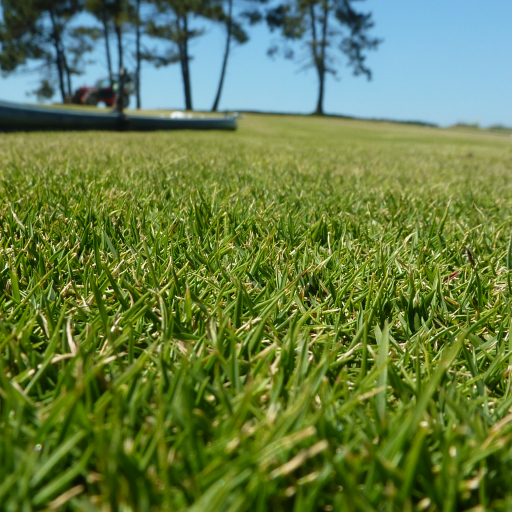
Often called the "No-Mow Grass" or "Korean Velvet Grass," Zoysia tenuifolia is the darling of minimalist landscaping and Zen gardens. Unlike traditional lawns that crave constant attention, this slow-growing beauty creates a lush, rolling green carpet that looks like a collection of soft, mossy pillows. Originating from Southeast Asia and the Mascarene Islands, it brings a serene, undulating texture to any landscape it touches.
🔍 How to Identify
- 🍃 Fine Texture: It features incredibly narrow, needle-like blades that are remarkably soft to the touch, unlike the coarse feel of standard turf.
- ⛰️ Lumpy Habit: If left unmowed, it naturally forms distinct mounds and "humps," creating a miniature rolling-hill effect.
- 🟢 Emerald Hue: It maintains a deep, vibrant emerald green color that stays lush throughout the warm growing season.
🏡 In Your Garden
- 🐢 The Slow Game: Because it grows exceptionally slowly, it requires almost no mowing. However, this also means it takes a long time to fill in bare spots, so patience is a requirement when establishing a new patch.
- 🧱 Crevice Specialist: It is a favorite for planting between pavers or stepping stones, as it slowly "bleeds" over the edges of the stone, softening hard lines.
- ☀️ Sun & Shade: While it loves the sun, it is surprisingly more shade-tolerant than many other tropical grasses, making it a versatile choice for gardens with shifting light.
⚠️ Safety & Toxicity
- ✅ Pet & Child Friendly: Zoysia tenuifolia is considered non-toxic to dogs, cats, and humans, making it a safe choice for family play areas.
- 🌾 Pollen Alert: While it rarely flowers when kept as a lawn, if allowed to seed, it can produce fine pollen that may bother those with seasonal grass allergies.
✨ Fun Fact
In traditional Japanese Zen gardens, this plant is frequently used as a "living moss" substitute for sunny areas where true moss would quickly dry out and die.

Detailed Care Instructions
To grow Zoysia Tenuifolia, commonly known as Korean velvet grass or No-Mow grass, you can follow these steps:
- Choose the right location: Zoysia Tenuifolia prefers full sun to partial shade. Ensure that the area has good drainage.
- Prepare the soil: Zoysia Tenuifolia can tolerate a wide range of soil types but prefers well-draining soil. Remove any weeds, rocks, or debris and loosen the soil using a garden fork or tiller.
- Planting method: You can use either plugs or sod to establish Zoysia Tenuifolia. Plugs are small portions of the grass with roots, while sod is a larger section of established grass. You can purchase plugs or sod from a local nursery or online.
- Plugs: Dig holes about 4 inches deep and 6-12 inches apart, depending on the coverage you desire. Place a plug in each hole and gently press the soil around it. Water the plugs thoroughly after planting.
- Sod: Prepare the soil as mentioned earlier. Lay the sod down, ensuring that the edges are tightly joined. Water the sod immediately after installation, and keep it well-watered during the first few weeks.
- Plugs: Dig holes about 4 inches deep and 6-12 inches apart, depending on the coverage you desire. Place a plug in each hole and gently press the soil around it. Water the plugs thoroughly after planting.
- Watering: Zoysia Tenuifolia is drought tolerant, but it requires regular watering until it becomes established. Water deeply, providing about 1 inch of water per week. Once established, you can reduce the frequency of watering.
- Fertilization: Zoysia Tenuifolia is a low-maintenance grass and generally doesn't require frequent fertilization. However, you can provide a slow-release fertilizer once or twice a year to promote growth.
- Mowing: One of the advantages of Zoysia Tenuifolia is its ability to grow low and spread horizontally. It does not require frequent mowing, but if desired, you can lightly trim it to 2-3 inches in height.
- Maintenance: Zoysia Tenuifolia is a sturdy grass that can resist most pests and diseases. However, regular maintenance practices like weeding, removing debris, and aerating the soil can improve overall health.
- Winter care: Zoysia Tenuifolia is a warm-season grass and can go dormant in colder regions. It will turn brown during winter but will resume growth once temperatures rise in the spring. You can leave the dried grass as it is or overseed with winter ryegrass if desired.
By following these steps, you should be able to successfully grow Zoysia Tenuifolia in your garden or landscape. Remember to adjust the care based on your specific climate and conditions.
To effectively water the Zoysia Tenuifolia plant, it is essential to consider a few key factors. First, evaluate the moisture level of the soil; use your finger or a moisture meter to determine if it is adequately moist or dry. Aim to keep the soil consistently moist but not overly saturated.
To water the plant, use a gentle watering technique such as a watering can or a drip irrigation system. Avoid using high-pressure methods like a hose with a nozzle, as it may damage the delicate foliage of the plant. Allow the water to flow slowly and evenly to ensure thorough penetration without causing runoff.
The frequency of watering depends on various factors such as weather conditions, soil type, and plant size. Generally, Zoysia Tenuifolia requires watering about once or twice a week during hot and dry weather. However, during cooler months or periods of rainfall, the plant may need less frequent watering.
Water the plant in the morning to provide ample time for the leaves to dry before evening. This reduces the risk of fungal diseases that thrive in damp conditions. Additionally, watering in the morning allows the plant to absorb the moisture efficiently throughout the day.
Pay attention to signs of water stress, such as wilting or yellowing of the foliage, which indicate the need for more frequent watering. Conversely, if the soil remains consistently wet or waterlogged, adjust the watering schedule to prevent root rot or fungus issues.
Over time, it is crucial to monitor the plant's water needs and adjust accordingly. Understanding the specific needs of the Zoysia Tenuifolia plant in your particular environment will help ensure its successful growth and overall health.
To fertilize the Zoysia Tenuifolia plant, follow these instructions:
- Choose a balanced fertilizer specifically formulated for grass or ornamental plants. Look for a granular slow-release fertilizer with an N-P-K ratio of around 10-10-10 or similar.
- Read the manufacturer's instructions on the fertilizer packaging to determine the recommended application rate for your specific plant. This will usually be stated in pounds or ounces per square foot.
- Apply the fertilizer evenly across the entire planting area. It's important to avoid over-application or concentrated placement, as this can lead to fertilizer burn and damage the plant.
- Water the area thoroughly after applying the fertilizer. This will help to distribute the nutrients and prevent potential burning.
- Repeat the fertilization process according to the manufacturer's recommended schedule. Generally, zoysia tenuifolia benefits from fertilizing approximately every 6 to 8 weeks during the growing season. However, it's essential to adjust this schedule based on the specific fertilizer product you are using.
- Monitor the health and appearance of the plant after fertilization. If you observe any signs of over-fertilization, such as yellowing leaves or wilting, reduce the application rate or frequency accordingly.
Remember to always follow the specific instructions provided by the fertilizer manufacturer, as different products may have slightly different guidelines. Additionally, proper watering, adequate sunlight, and regular maintenance practices are crucial for the overall health of the Zoysia Tenuifolia plant.
When selecting soil for the Zoysia Tenuifolia plant, it is important to consider its specific requirements. This plant thrives best in well-draining soil that is rich in organic matter. The soil should have a slightly acidic to neutral pH level, ideally between 6.0 and 7.0, to ensure optimal growth.
An ideal soil mixture for Zoysia Tenuifolia would consist of a combination of sandy loam and organic compost. Sandy loam provides good drainage, preventing waterlogging and the risk of root rot. This type of soil also allows air circulation around the roots, ensuring they receive adequate oxygen.
Organic compost enriches the soil with essential nutrients and improves its overall structure. It also enhances water retention capabilities in sandy soils while preventing excessive water retention in heavy clay soils. This mixture creates a well-balanced environment for the Zoysia Tenuifolia plant, promoting healthy root development and lush growth.
When planting Zoysia Tenuifolia, ensure that the soil is well-prepared and free of any debris or weeds. It is recommended to loosen the soil to a depth of around 6 inches and mix in the sandy loam and organic compost thoroughly before planting the Zoysia Tenuifolia.
Regular soil testing can also be beneficial to monitor the pH levels and nutrient content of the soil. Adjustments can be made accordingly by adding soil amendments such as limestone to increase alkalinity or sulfur to lower pH if necessary.
Overall, providing a well-draining soil with ideal pH and sufficient organic matter content helps to create the optimal growing conditions for the Zoysia Tenuifolia plant, promoting its health and vitality.
Zoysia tenuifolia is a warm-season grass plant that can be propagated through several methods, including seeding, sodding, sprigging, and transplanting. Here is a detailed guide on how to propagate Zoysia tenuifolia:
- Seed propagation:
- Obtain Zoysia tenuifolia seeds from a reliable source.
- Prepare the planting area by removing any existing weeds or grasses.
- Loosen the top layer of soil using a garden rake or tiller, ensuring proper soil drainage.
- Spread the Zoysia tenuifolia seeds evenly over the prepared soil area.
- Lightly rake the seeds into the soil, ensuring good seed-to-soil contact.
- Water the area gently to keep the soil consistently moist, but avoid overwatering.
- Germination will typically occur within 2 to 4 weeks.
- Once the seedlings are around 1-2 inches tall, you can reduce watering frequency.
- Sodding:
- Purchase Zoysia tenuifolia sod from a reputable nursery or garden center.
- Prepare the planting area by removing any existing weeds or grasses.
- Loosen the top layer of soil to promote proper root growth.
- Lay the Zoysia tenuifolia sod tightly together on the prepared soil surface.
- Press the sod firmly onto the soil, ensuring good sod-to-soil contact.
- Water the area immediately after installation, saturating the sod completely.
- Continue watering for the first few weeks, keeping the sod consistently moist.
- Limit foot traffic on the newly laid sod until it has rooted firmly, typically within 2-4 weeks.
- Sprigging:
- Purchase Zoysia tenuifolia sprigs (stolons or runners) from a reputable nursery or garden center.
- Prepare the planting area by removing any existing weeds or grasses.
- Loosen the top layer of soil to create a favorable environment for root growth.
- Spread the Zoysia tenuifolia sprigs evenly over the prepared soil surface.
- Gently press the sprigs into the soil, ensuring good sprig-to-soil contact.
- Water the area immediately after planting, saturating the soil and sprigs.
- Maintain consistent soil moisture levels during the initial growth period.
- Sprigs will root and spread over time, forming a dense Zoysia tenuifolia lawn.
- Transplanting:
- Locate an established Zoysia tenuifolia plant to transplant from.
- Dig up a section of the plant, ensuring to include a sufficient root ball.
- Prepare the planting area by removing any existing weeds or grasses.
- Dig a hole slightly larger than the roots of the transplanted plant.
- Place the plant in the hole, aligning the top of the root ball with the soil surface.
- Backfill the hole with soil, ensuring to eliminate air pockets.
- Water the area thoroughly to settle the soil and help the plant establish.
- Maintain consistent soil moisture until the plant adapts to its new location.
Remember to provide proper sunlight, water, and care to promote successful propagation and growth of Zoysia tenuifolia.








