You carefully planted your seeds, misted them gently, and watched with pride as tiny green shoots pushed through the soil. But a few days later, tragedy strikes—your precious seedlings have suddenly collapsed, looking pinched at the base and completely lifeless.
If this sounds familiar, take a deep breath. You are not a bad plant parent! This heartbreaking phenomenon happens to almost every gardener, from beginners to seasoned pros. It is caused by a condition known as damping off.
Let's explore what damping off is, why it attacks our baby plants, and most importantly, how to prevent it. If you are ever unsure what is wrong with your plants, remember that you can always use the AI-powered plant disease scanner in the Plantiary app to get an instant diagnosis and personalized care tips!
The Problem: Spotting the Symptoms of Damping Off
Damping off isn't caused by just one thing; it is a catch-all term for several soil-borne fungi and water molds (like Pythium and Rhizoctonia) that attack vulnerable seeds and young plants. Because seedlings have very delicate tissues and under-developed immune systems, these pathogens can destroy them rapidly.
Here is what damping off looks like:
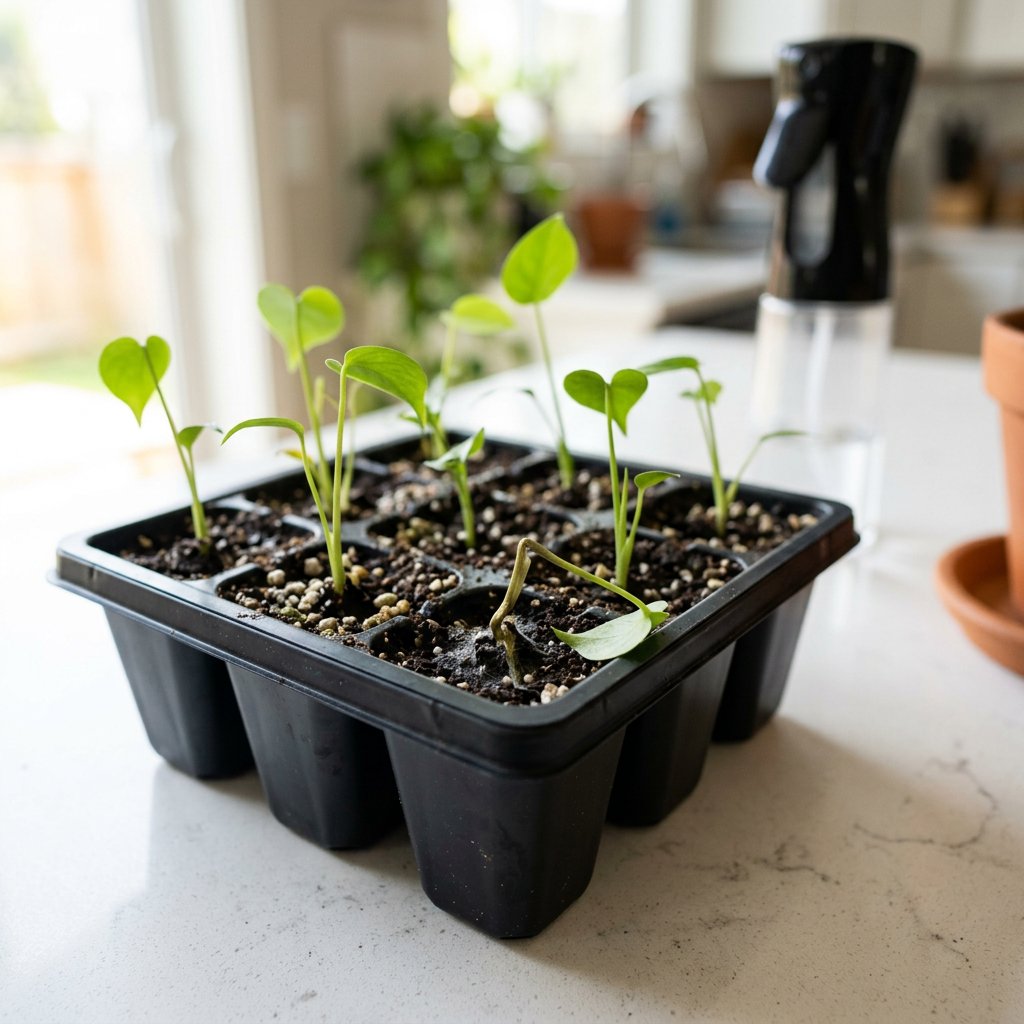
- The "Pinched" Stem: The stem of the seedling looks thread-like, mushy, or pinched right at the soil line, causing the plant to flop over.
- Sudden Collapse: Perfectly healthy-looking seedlings suddenly fall flat and die overnight.
- Fluffy White Growth: You might notice a fine, cobweb-like mold appearing on the surface of the soil or on the dead seedlings.
- Failure to Emerge: Sometimes, the fungi attack the seeds before they even sprout, causing them to rot under the soil.
The Causes: Why Do Seedlings Damp Off?
Fungal pathogens are naturally present in the environment, but they only attack when the conditions are just right for them. Fungi absolutely love damp, stagnant, and dark environments.
Your seedlings are most at risk due to:
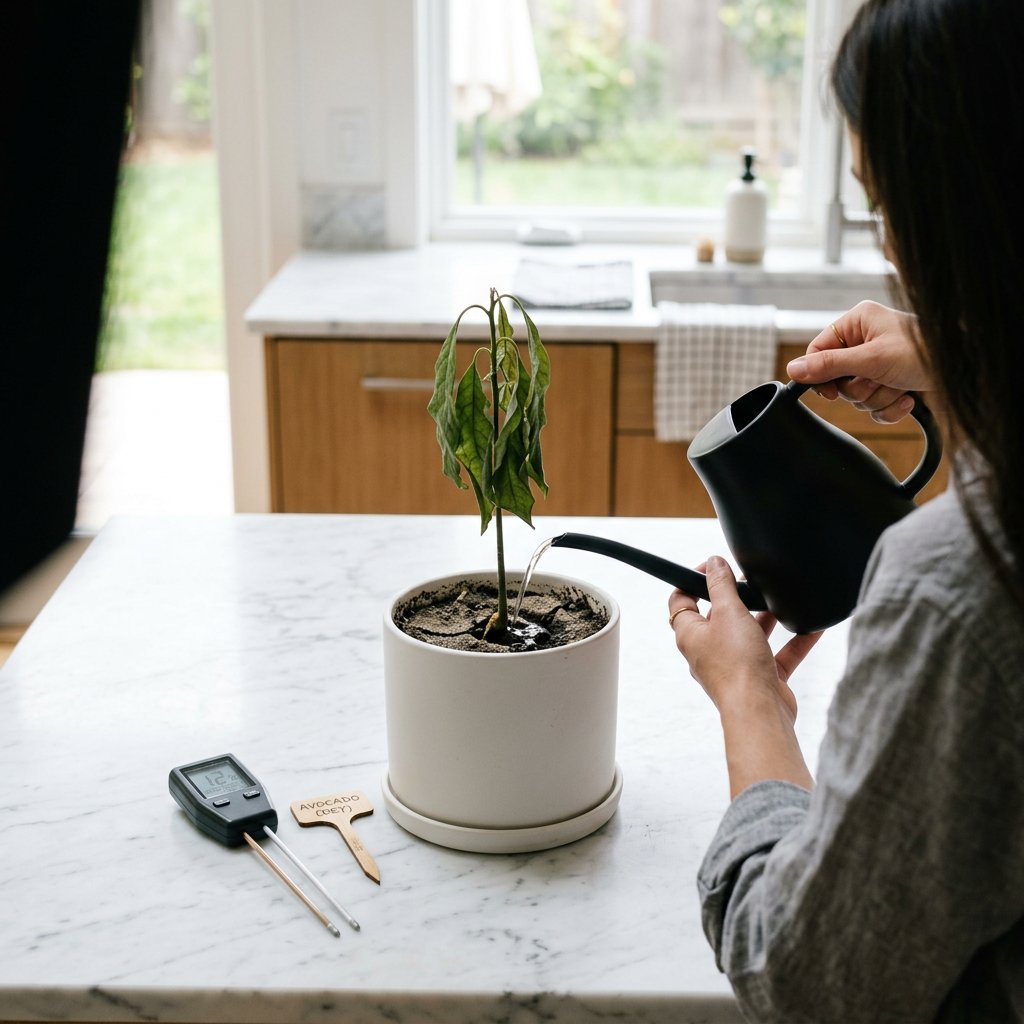
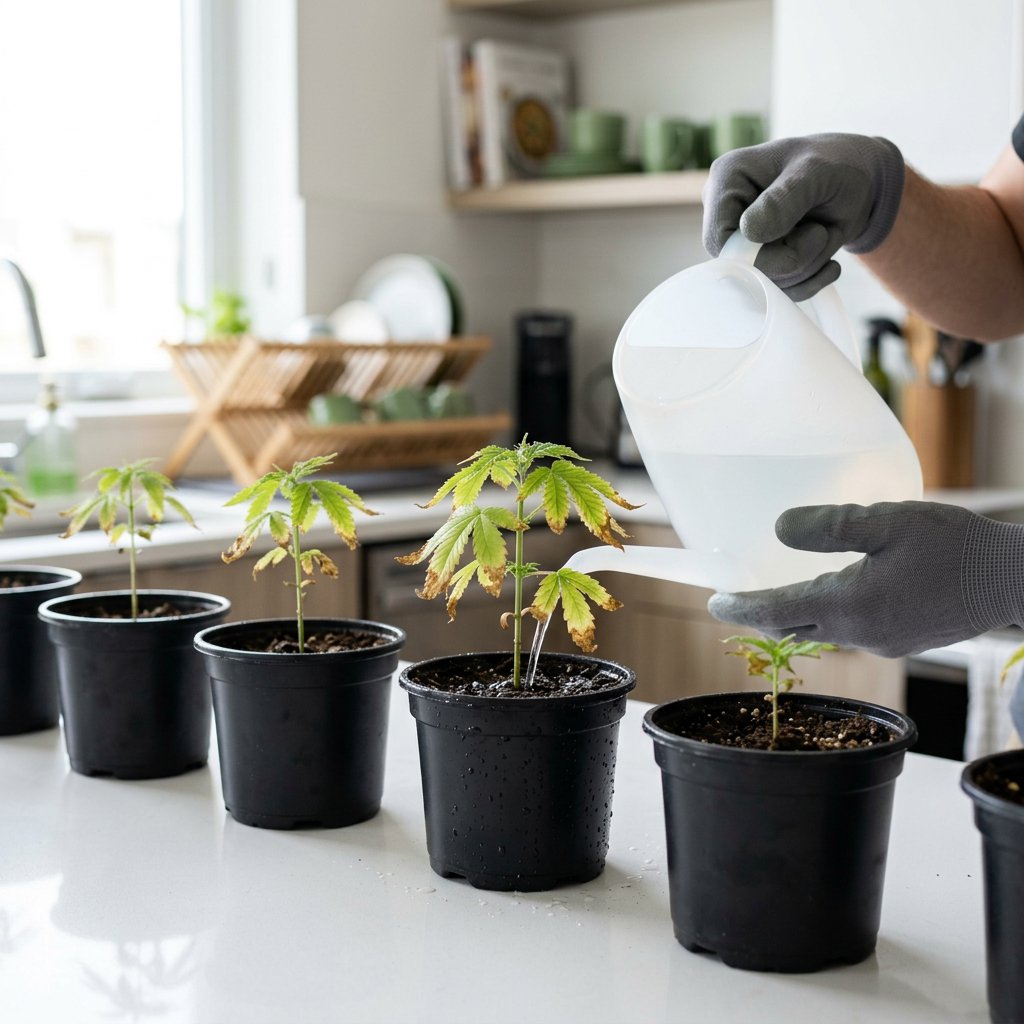
- Soggy, waterlogged soil: Overwatering suffocates delicate young roots and creates the ultimate breeding ground for fungi.
- Poor airflow: Stagnant air prevents the surface of the soil from drying out.
- Contaminated soil or dirty pots: Reusing old garden dirt or unwashed seedling trays can introduce dormant fungal spores to your new plants.
- Overcrowding: Sowing seeds too close together limits airflow and creates a humid microclimate where diseases thrive.
The Solutions: Step-by-Step Prevention and Care
Here is the hard truth about damping off: once a seedling collapses, it cannot be saved. The stem tissue has already rotted away. Therefore, the secret to beating damping off is entirely focused on prevention.
Follow these steps to ensure your next batch of seedlings grows up strong and healthy:
Step 1: Sanitize your equipment. Always start with a clean slate. If you are reusing plastic pots or seed trays, wash them thoroughly with hot, soapy water to remove any lingering pathogens from last season.
Step 2: Use a sterile seed-starting mix. Never use soil from your outdoor garden or old, previously used potting soil for seeds. Instead, buy a fresh, sterile seed-starting mix. These mixes are soilless, lightweight, and drain beautifully, making it very difficult for fungi to take hold.
Step 3: Master your watering technique. Avoid watering your seedlings from the top, which keeps the soil surface wet. Instead, try bottom-watering. Place your pots in a tray of water for 15-20 minutes so the soil can soak up moisture from the bottom, then remove any excess water. To help you stay on track and avoid overwatering, set up a custom watering schedule in your Plantiary app!
Step 4: Improve airflow with a fan. Good circulation is a fungus's worst enemy. Set up a small oscillating fan near your seedling trays, keeping it on a gentle, low setting. Not only will this dry out the top layer of soil, but the gentle breeze will actually encourage your seedlings to grow thicker, sturdier stems.
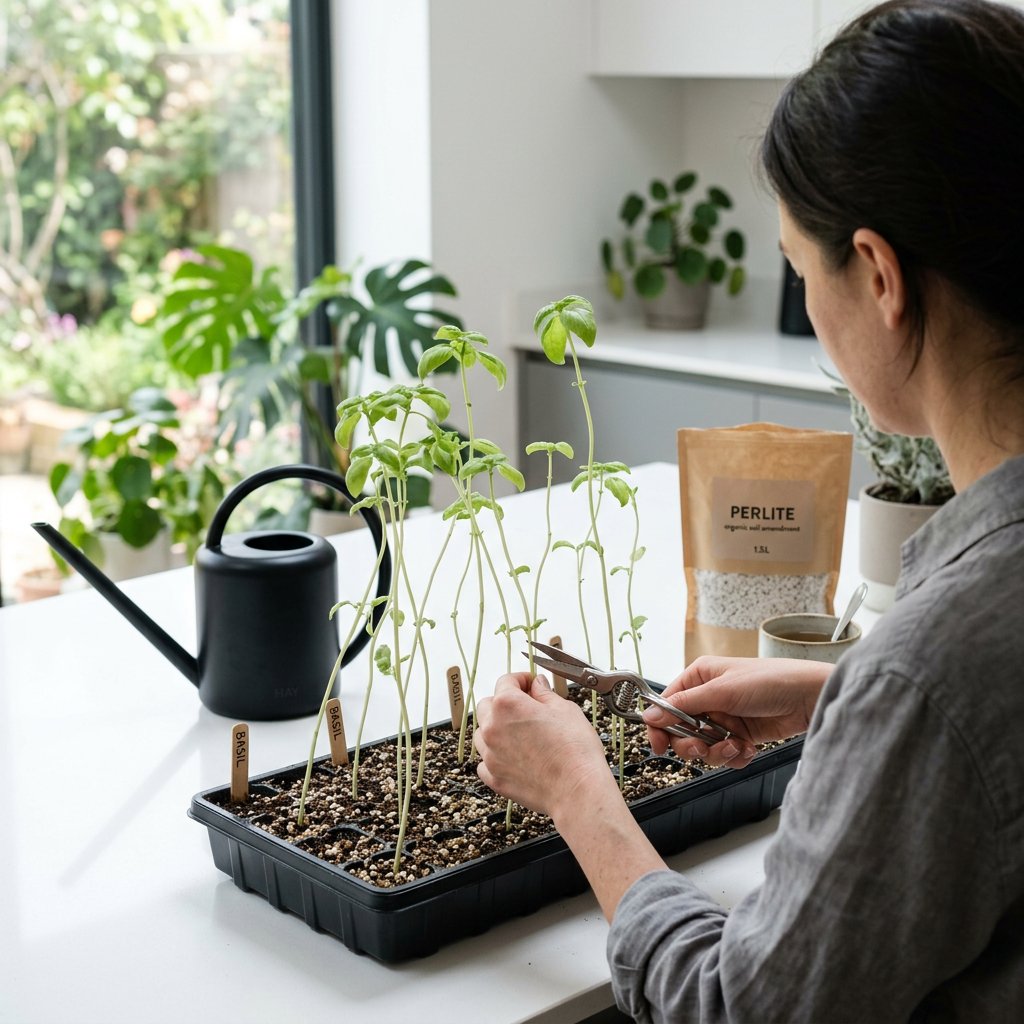
Step 5: Provide bright, consistent light. Seedlings need bright light to photosynthesize and grow strong. If they are kept in the dark, they will suffer from etiolation—a condition where plants stretch rapidly toward a light source, causing them to become pale, weak, and highly susceptible to disease. Use a grow light suspended just a few inches above your trays for best results.
Step 6: Thin the crowd. If you planted multiple seeds in one pot and they all germinated, do not pull them out, as this can damage the fragile roots of the remaining plants. Instead, take a pair of clean scissors and snip the weaker seedlings right at the soil line so the strongest plant has plenty of room to breathe.
Don't Give Up on Your Garden!
Losing a tray of seedlings to damping off can be incredibly frustrating, but please don't let it discourage you. Gardening is a wonderful journey of trial and error. By tweaking your watering habits, improving airflow, and starting with clean soil, your next batch of seeds will have everything they need to thrive.
Keep planting, keep learning, and let Plantiary help you along the way!