There is nothing quite as exciting as planting tiny herb seeds and watching those first green shoots emerge from the soil. But sometimes, that excitement quickly turns into worry when your once-promising sprouts begin to look like stretched-out, floppy green noodles. If your basil, cilantro, or oregano seedlings are growing incredibly tall, thin, and unable to support their own weight, please take a deep breath and do not panic!
Almost every plant parent experiences this at some point. It is a completely normal hurdle, especially for indoor gardeners. Let’s explore exactly what is going on with your plants and, more importantly, how you can rescue your little green babies before it's too late.
The Problem: Identifying Leggy Seedlings
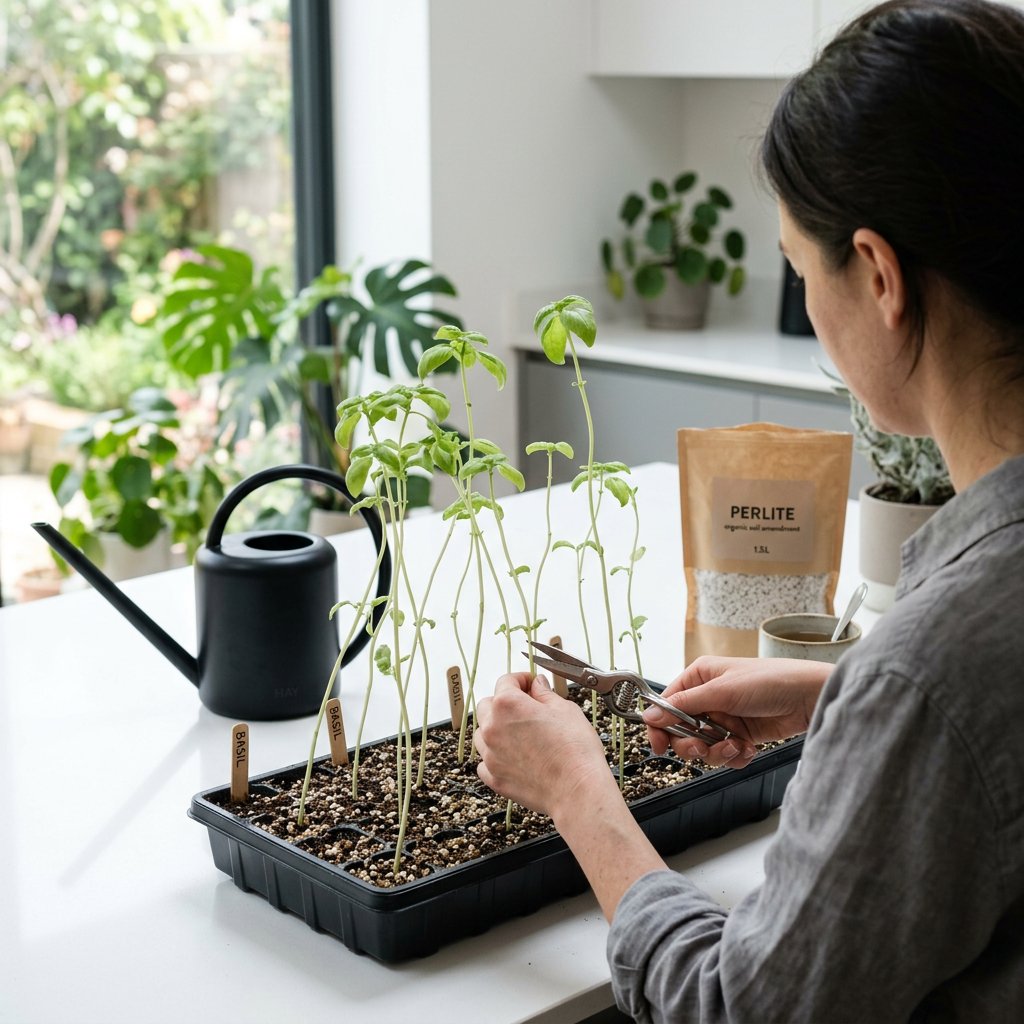
In the botanical world, this stretching phenomenon is known as etiolation—which is simply a scientific term for a plant stretching abnormally because it is desperate to find an adequate light source. Instead of using their energy to grow thick, sturdy stems and lush leaves, your seedlings are exhausting all their energy trying to reach the sun.
You can easily spot a leggy seedling by looking for these common symptoms:
- Abnormally tall, fragile stems that look thread-like and weak.
- Pale green or yellowing color across the stems and leaves.
- Large gaps between the sets of leaves.
- Flopping over or completely collapsing under their own weight.
The Causes: Why Are Your Herb Seedlings Stretching?
Understanding the root cause of the problem is the secret to preventing it in the future. Here is what usually causes herb seedlings to become leggy:
- Insufficient Light: This is the number one culprit. When seedlings do not get enough strong, direct light, their natural survival instinct is to stretch upward to find it.
- Overcrowding: If you sowed your seeds too close together, they will naturally compete with one another for light, causing the fastest growers to stretch out.
- Excessive Heat: Seed mats and warm homes are great for germination, but if the temperature remains too high once the sprouts emerge, it encourages rapid, weak growth rather than slow, sturdy development.
The Solutions: Step-by-Step Treatment for Leggy Herbs
While you cannot shrink a stretched seedling back down, you can intervene right now to strengthen the stem and encourage healthy future growth. Follow these scientifically proven steps to fix your leggy herb seedlings fast:
Step 1: Maximize Their Light Exposure Move your seedlings to a much brighter location immediately. If you are using a sunny, south-facing window, make sure they are sitting right on the sill. If you are using artificial grow lights, lower the lights so they are just 2 to 3 inches above the tops of the seedlings. Pro tip: Not sure if your windowsill is bright enough? You can use the light meter tool in the Plantiary app to measure your indoor lighting and find the perfect spot for your herbs to thrive.
Step 2: Add a Gentle Breeze In nature, wind causes young plants to sway, which signals their cells to produce lignin—a structural compound that acts like the plant's skeleton, making the stems thicker and stronger. Mimic this indoors by placing a small oscillating fan near your seedlings on a low setting for a few hours a day. Alternatively, gently brush your hands back and forth across the tops of the seedlings a few times daily.
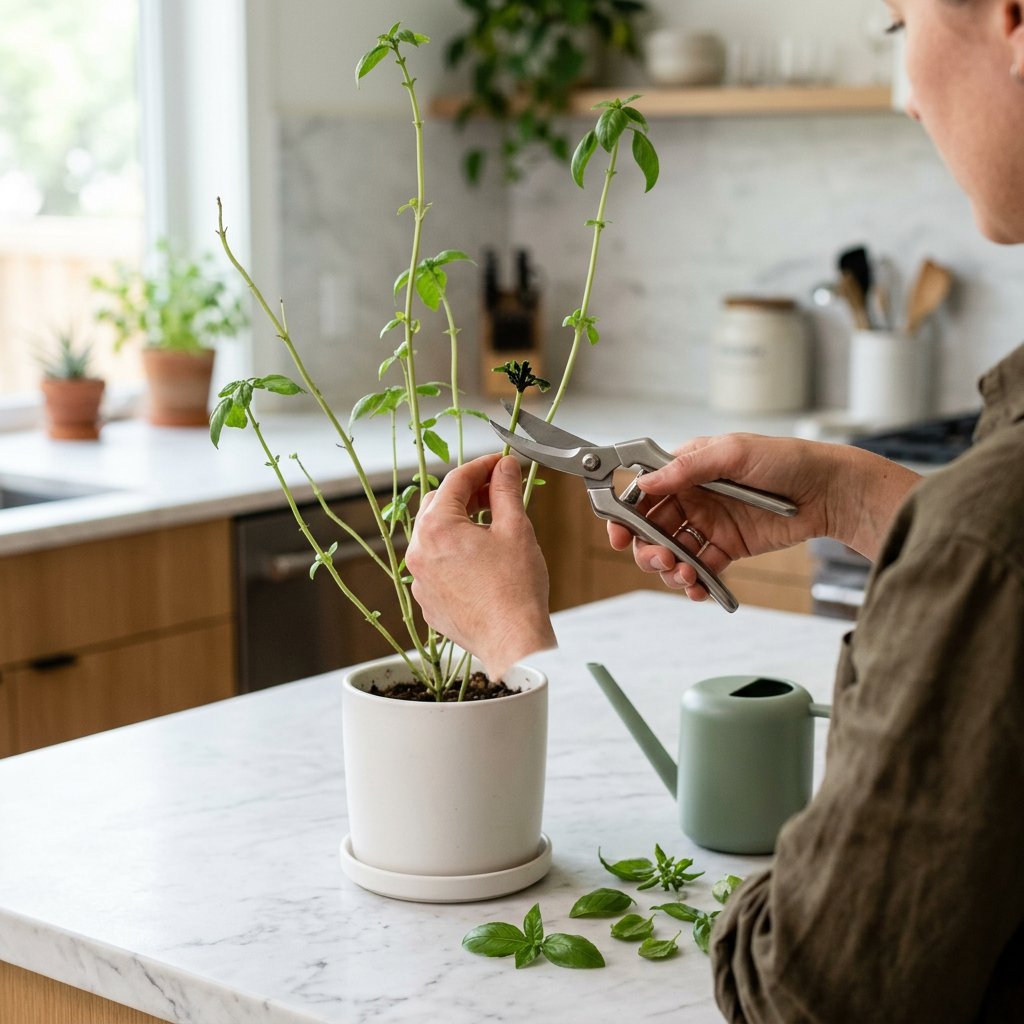
Step 3: Thin the Herd It can be emotionally difficult to remove seedlings you worked hard to sprout, but thinning is vital. Use sterilized scissors to snip the smallest, weakest seedlings right at the soil line. This reduces competition, allowing the strongest survivors to soak up all the light, water, and nutrients.
Step 4: Repot Deeper (The Rescue Mission) For certain herbs, like basil and tomatoes, you can actually bury the problem! Gently transplant the leggy seedling into a new, slightly deeper pot. Bury the fragile stem into the potting mix right up to the base of its lowest set of leaves (the cotyledons). The buried stem will eventually grow adventitious roots, creating a much stronger, self-supporting plant.
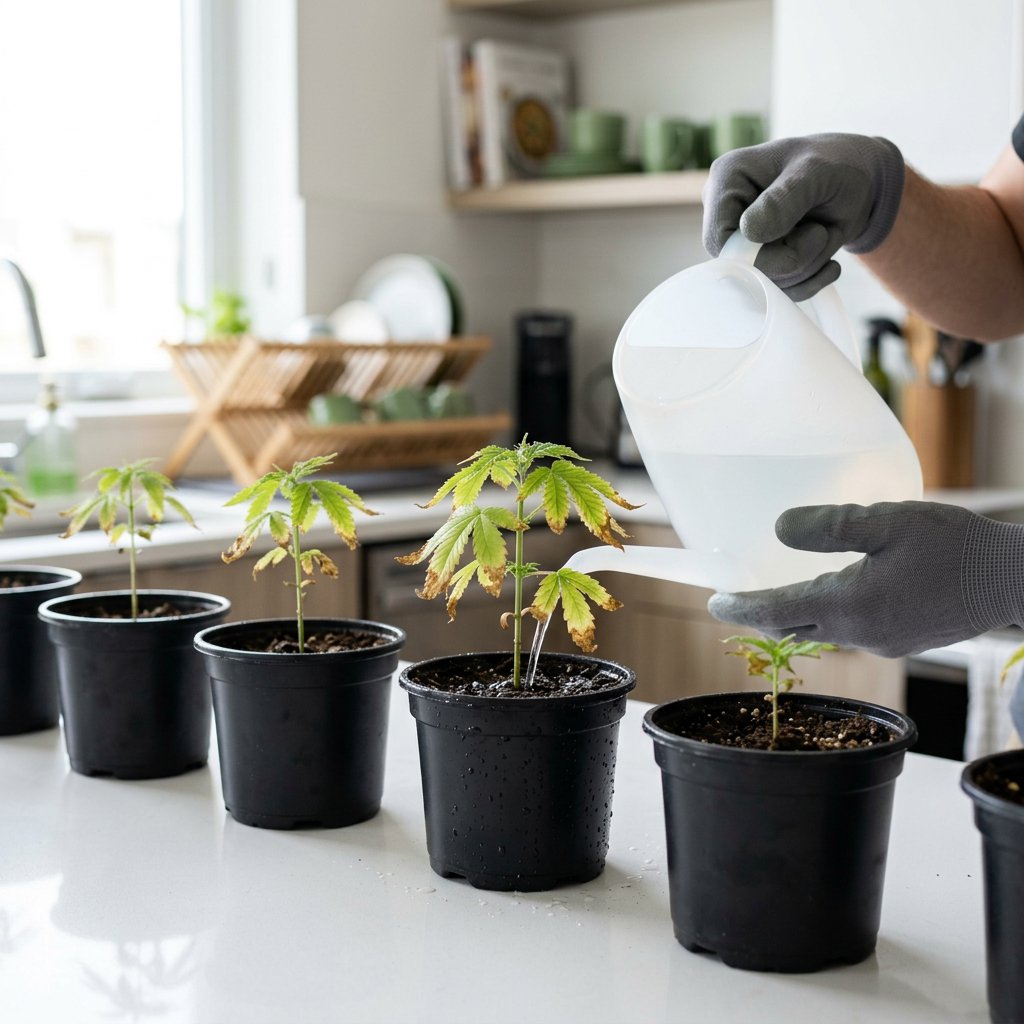
Step 5: Master Your Watering Routine Leggy seedlings are incredibly vulnerable to rot. Ensure your soil is consistently moist but never soggy or waterlogged. Always water from the bottom (by placing the nursery pot in a tray of water for 15 minutes) to encourage the roots to grow downward rather than shallowly at the surface.
Growing plants from seeds is an incredible learning experience, and making mistakes is just part of becoming a seasoned gardener! If you ever feel lost, or if you start noticing weird spots or discolorations on your delicate seedling leaves, remember that you can use the AI-powered plant disease scanner in the Plantiary app to get an instant diagnosis and a step-by-step treatment plan in seconds. Keep experimenting, keep adjusting, and happy growing!