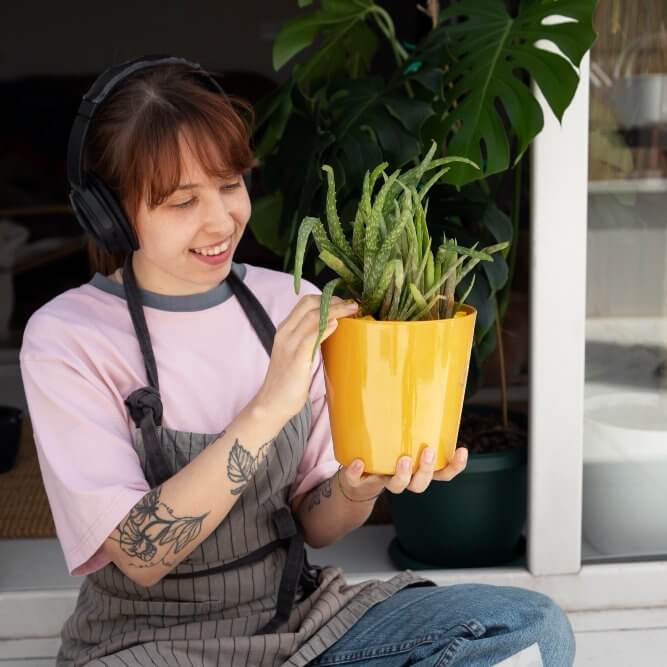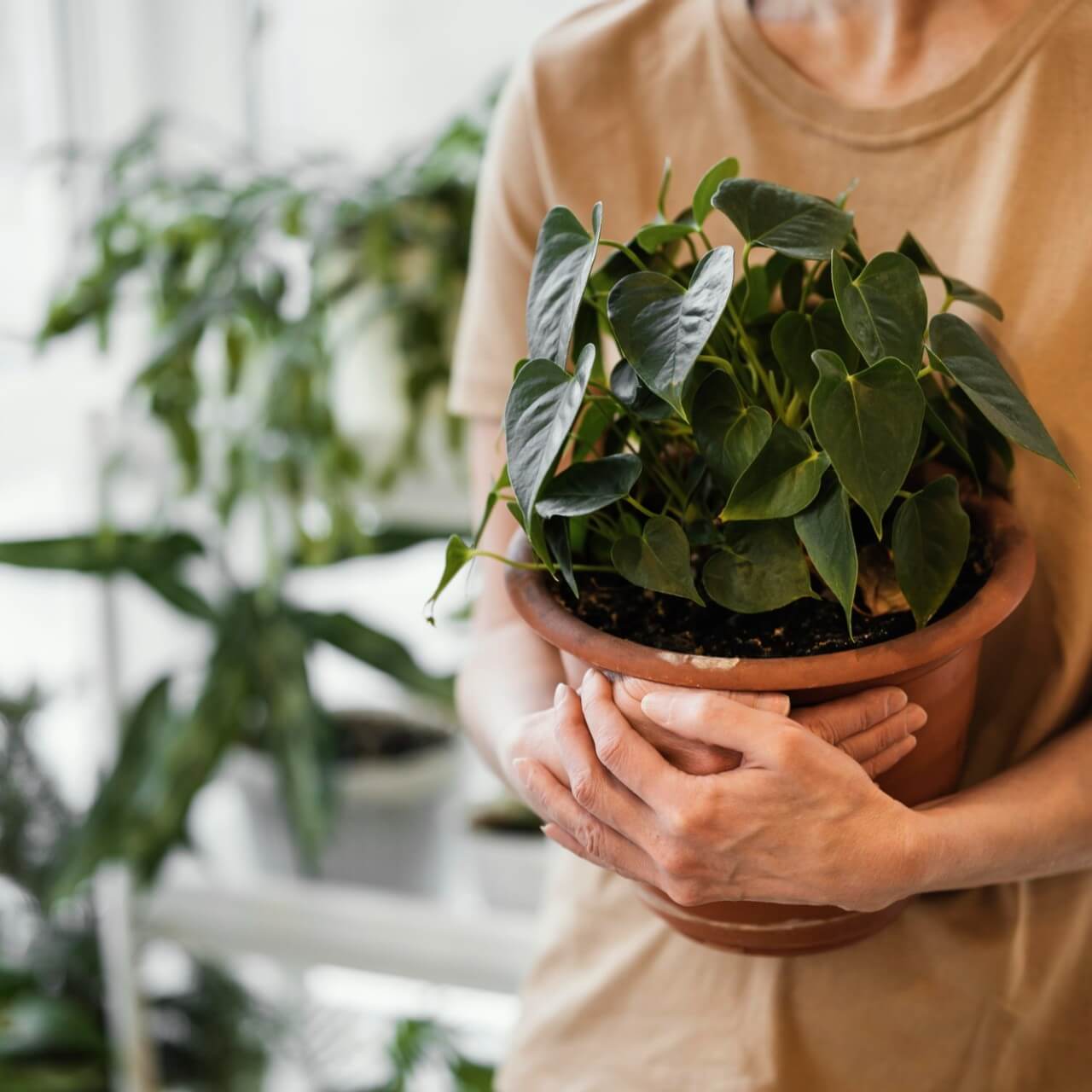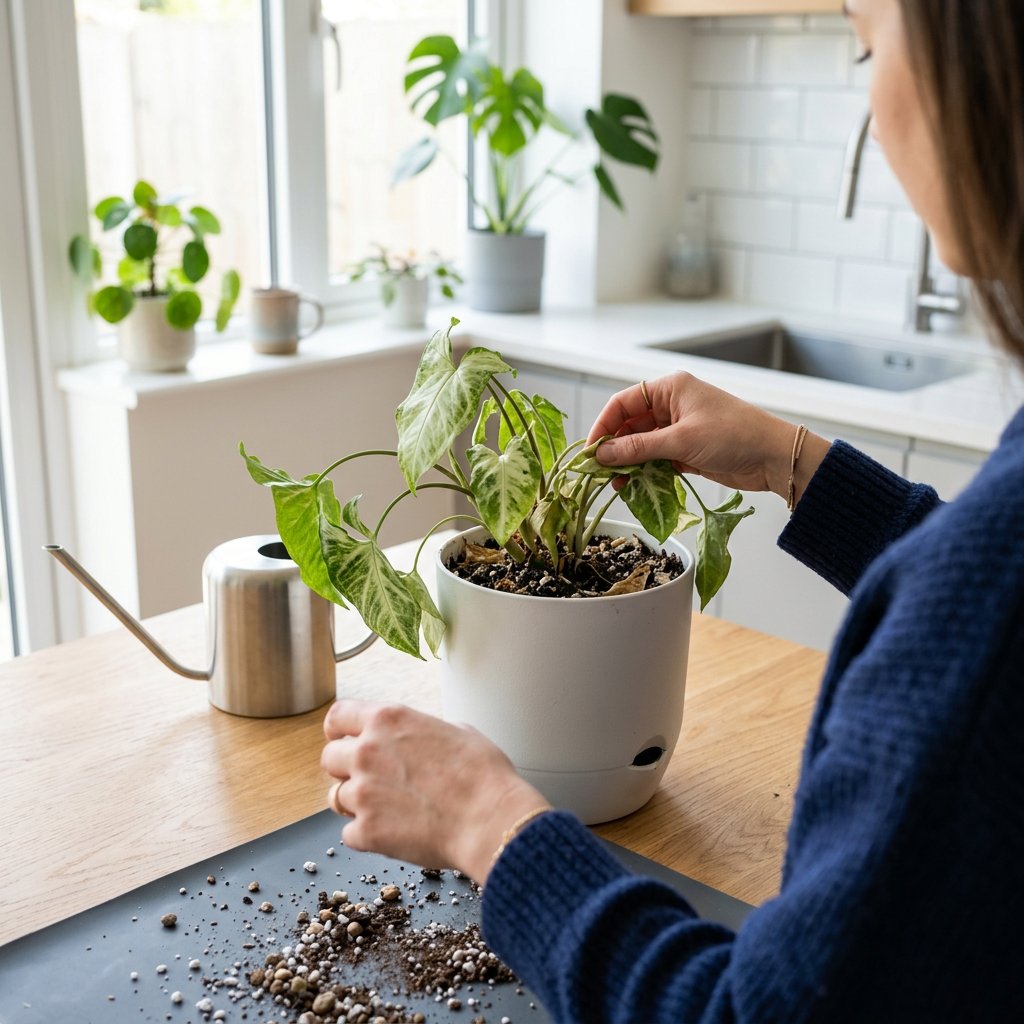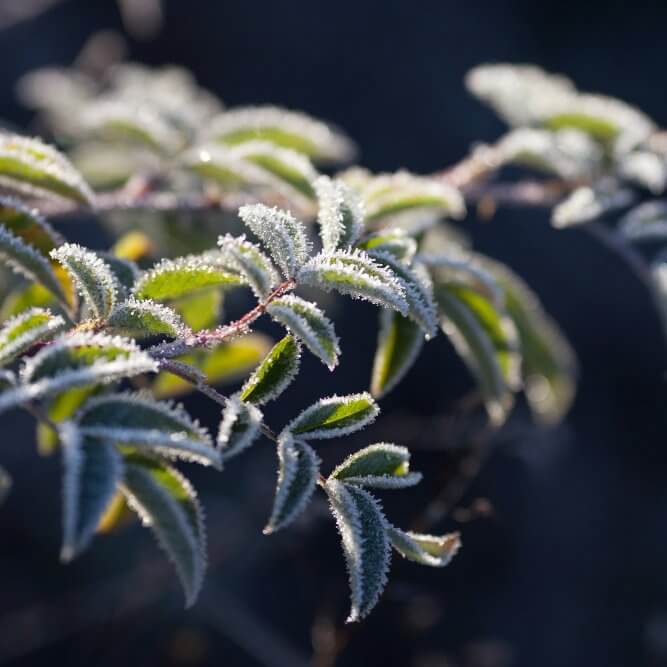
Spring is finally in the air! While you might be ready to throw open the windows and soak up the sunshine, your houseplants might still be nursing a bit of a winter hangover. If your indoor jungle is looking a little less lush than it did in the fall, take a deep breath. It is completely normal! Winter is incredibly tough on tropical plants, and even the most experienced plant parents lose a leaf or two (or sometimes a whole plant). The good news is that plants are remarkably resilient. With a little TLC and some help from the Plantiary app, you can wake your leafy friends from their winter slumber and set them up for a season of explosive growth.
The Problem: Spotting the Symptoms of Winter Stress
Before we can help your plants recover, let's identify what we're looking at. Your plants may be exhibiting a few classic signs of winter fatigue. Look out for:
- Crispy, brown leaf tips: This is almost always a cry for moisture, indicating severely low humidity.
- Pale, yellowing leaves (Chlorosis): Chlorosis simply means a lack of chlorophyll, which causes leaves to lose their healthy green color. In winter, this is frequently caused by overwatering or a lack of adequate sunlight.
- Stretched, spindly stems: Your plant looks like it is desperately reaching for the nearest window.
- Stunted growth: The plant simply hasn't pushed out a new leaf in months.
The Causes: Why the Colder Months Take a Toll
Why do our indoor plants struggle so much from November to March? There are three main environmental culprits at play:
- Low Light Levels: Shorter days and weaker sunlight mean your plants aren't getting the energy they need to thrive. This leads to etiolation—a botanical term for when a plant stretches out unnaturally to find light, resulting in weak, pale, and leggy stems.
- Dry Indoor Air: Central heating systems are lifesavers for us, but they strip the moisture out of the air. This creates a harsh, desert-like environment for humidity-loving tropicals.
- Watering Mishaps: Plants naturally slow down their growth in winter, entering a state of semi-dormancy. If you continued your frequent summer watering schedule during the winter, your plant likely ended up sitting in soggy soil, which suffocates the roots.
The Solutions: Your Step-by-Step Spring Revival Guide
Ready to breathe life back into your collection? Put away the weird DIY internet hacks and follow these scientifically backed steps to safely transition your houseplants into the spring growing season.
Step 1: Prune Away the Winter Blues Grab a pair of sterilized pruning shears and snip off any completely dead, crispy, or heavily yellowed leaves. Your plant wastes valuable energy trying to heal dying foliage. Removing the dead weight redirects that energy into pushing out fresh, healthy new growth.
Step 2: Give Them a Good Shower Dust builds up on leaves during the winter, blocking the stomata—the microscopic pores on the leaves that plants use to breathe—and reducing their ability to photosynthesize. Gently wipe the leaves with a damp microfiber cloth, or pop your plants in the shower for a lukewarm, gentle rinse to wash the dust away.
Step 3: Flush the Soil If you notice a crusty white layer on the top of your soil, it is a buildup of excess minerals and salts from tap water or old fertilizer. Take your plant to the sink and slowly pour room-temperature water through the soil until it drains freely from the bottom holes for a few minutes. This effectively flushes out the accumulated salts.
Step 4: Gradually Reintroduce Fertilizer As the days get longer, your plants will wake up and get hungry. It is time to start fertilizing again, but you must do so gently. Dilute your liquid houseplant fertilizer to half-strength for the first few feeds so you do not shock or burn the sensitive roots.
Step 5: Reassess Light and Watering Schedules Now that the sun is getting stronger, that south-facing window might suddenly become too intense and cause leaf sunburn. Reposition your plants according to their natural light needs. Additionally, as they start growing, they will drink more water. Pro tip: If you aren't sure how often to water now that the seasons are changing, set up a custom care schedule in the Plantiary app to keep you perfectly on track!
Remember, plant care is an ongoing journey of learning. Do not beat yourself up if some plants look a little worse for wear right now. By following these gentle, proven steps, your indoor garden will be thriving again in no time. If you run into a persistent issue or spot a strange mark on a leaf, don't panic! You can use the AI-powered plant disease scanner in the Plantiary app to get an instant diagnosis and expert treatment plan in seconds. Happy spring planting!