As the days grow shorter and you start reaching for your cozy sweaters, your houseplants are feeling the seasonal shift, too. Winter can be a surprisingly stressful time for indoor jungles. If you’ve noticed your leafy companions looking a little sad lately, take a deep breath—you are not a bad plant parent! It is completely normal for plants to struggle as indoor environments change. The good news? With a few simple tweaks to your routine and a little help from the Plantiary app, you can easily guide your green friends safely through the colder months.
The Problem: How Winter Affects Your Houseplants
During the winter, you might notice your plants exhibiting some alarming signs. Don't panic; it happens to the best of us! Here is what you are likely seeing:
- Yellowing or dropping leaves: This is often a sign of stress or retaining too much water in the soil.
- Crispy, brown leaf tips: This usually points to a severe lack of moisture in the air.
- Stagnant growth: Your plant has likely entered dormancy. Dormancy is a natural resting period where a plant intentionally slows down its growth and metabolic processes to conserve energy during times of low light and cool temperatures.
The Causes: Why is Winter So Hard on Plants?
To understand how to help our plants, we first need to understand the science of what they are experiencing. The winter struggle comes down to three main environmental shifts:
- Decreased Sunlight: Shorter days and a lower sun angle mean your plants are receiving significantly less light for photosynthesis.
- Dry Indoor Air: Central heating systems strip moisture from the air, causing a massive drop in humidity. While we love a warm house, our tropical plants do not appreciate the dry air.
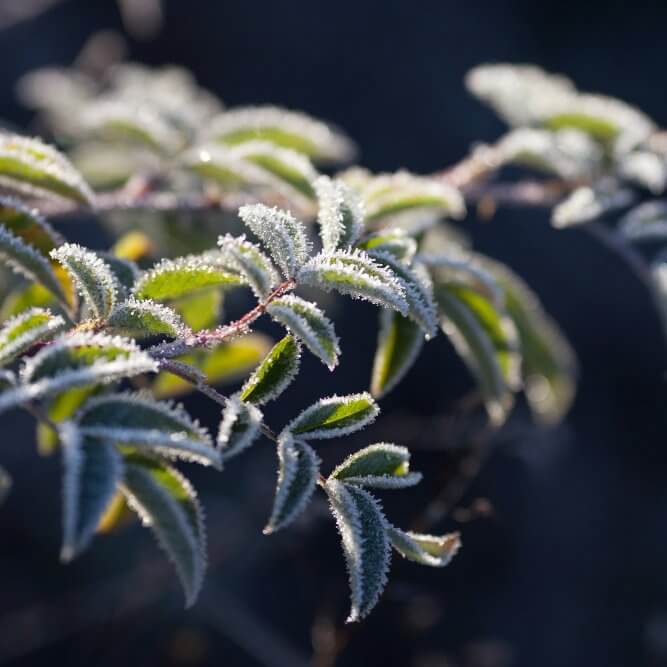
- Temperature Fluctuations: Icy drafts from leaky windows or blasts of hot, dry air from radiators can shock plants and damage their delicate cellular structure.
The Solutions: Step-by-Step Winter Plant Care
Adjusting your care routine for the winter is all about mimicking the subtle changes in nature and respecting your plant's resting phase. Follow these science-backed steps to keep your houseplants thriving:
Step 1: Scale Back on Watering Because your plants are in dormancy and receiving less light, they process water much slower than they do in the summer. Overwatering in winter is the leading cause of root rot—a fungal disease that suffocates the plant’s roots. Always check the top two inches of soil with your finger before you water; if it feels damp, wait a few more days. Pro tip: Use the customizable watering reminders in the Plantiary app to easily adjust your schedule from summer to winter frequencies.
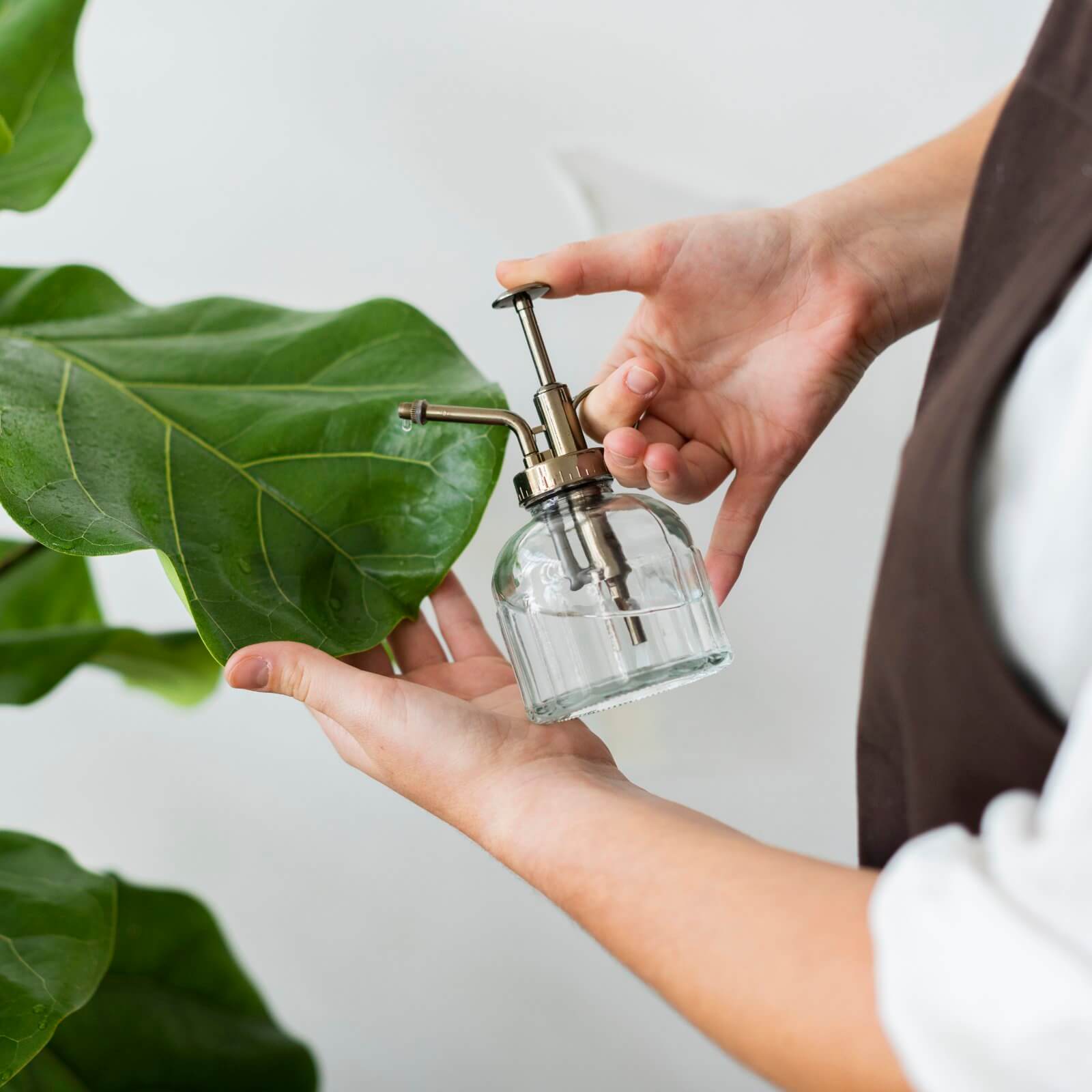
Step 2: Boost the Humidity Tropical houseplants love humidity levels around 50% to 60%, but winter heating can drop indoor humidity to a desert-like 20%. To combat crispy leaves, run a room humidifier nearby. You can also group your plants close together to create a humid microclimate (as plants release moisture into the air through their leaves), or place pots on pebble trays filled with a shallow layer of water. Just ensure the bottom of the pot sits on the pebbles and not directly in the water!
Step 3: Maximize Sunlight Make the most of the limited winter sun. Move your light-loving plants closer to south- or west-facing windows. Additionally, take a few minutes to gently wipe their leaves with a damp microfiber cloth. Dust acts like a physical filter, blocking the already scarce sunlight from reaching the leaves.
Step 4: Pause the Fertilizer Since your plants are resting and not actively pushing out new foliage, feeding them can actually do more harm than good. Unused fertilizer accumulates in the soil and can cause chemical burns to the root system. Wait until you see signs of fresh, new growth in the early spring to resume feeding.
Step 5: Protect from Drafts Keep your plants away from extreme temperature shifts. Ensure their leaves aren't touching freezing window panes, and move them out of the direct line of heating vents, space heaters, or drafty doorways.
Keep Growing with Confidence
Winter houseplant care doesn't have to be intimidating. By simply observing your plants and adjusting to their seasonal needs, you'll ensure they emerge in the spring healthy and ready to sprout beautiful new leaves.
If you notice strange spots, sudden wilting, or odd discoloration and aren't sure what is wrong, don't guess! You can use the AI-powered plant disease scanner in the Plantiary app to get a diagnosis in seconds, complete with a safe, step-by-step treatment plan. We've got your back—and your plants' too! Happy winter growing!