As the air turns crisp and we pull our favorite cozy sweaters out of storage, it is not just us who feel the shift in the seasons. Autumn is a beautiful time of year, but it can be a surprisingly stressful period for our leafy companions. If you have noticed your plants looking a little sad, slowing down their growth, or dropping a few lower leaves as the weather cools, please do not panic! Plant parenting is a journey, and seasonal adjustments are a completely normal part of nature. With a few simple tweaks to your routine, you can easily help your indoor and outdoor plants thrive through the colder months. Plus, using the Plantiary app makes it easier than ever to adjust your care schedules as the seasons change!
The Problem: Why Do Plants Struggle in Autumn?
During the transition from summer to fall, plants experience a drastic change in their environment. Many of our favorite indoor houseplants are tropicals that thrive in consistent warmth and long, sunny days. When autumn arrives, they naturally begin to enter a state of dormancy—a resting period where their growth and metabolic activity significantly decrease so they can conserve energy for the winter.
The Causes: Environmental Shifts
What exactly triggers this slow-down and the occasional yellowing leaf? The main culprits are shifts in their immediate environment:
- Shorter days: Less sunlight means less energy available for photosynthesis.
- Temperature drops: Chilly drafts from windows or crisp night air can shock sensitive roots and foliage.
- Indoor heating: Turning on the furnace or radiator drastically drops the humidity in your home, leading to a very dry environment.
The Solutions: Step-by-Step Autumn Care Guide
Do not worry if you feel a little intimidated by these seasonal changes. Adjusting your care routine is much easier than you think! Here are the best, scientifically proven ways to support your plants right now.
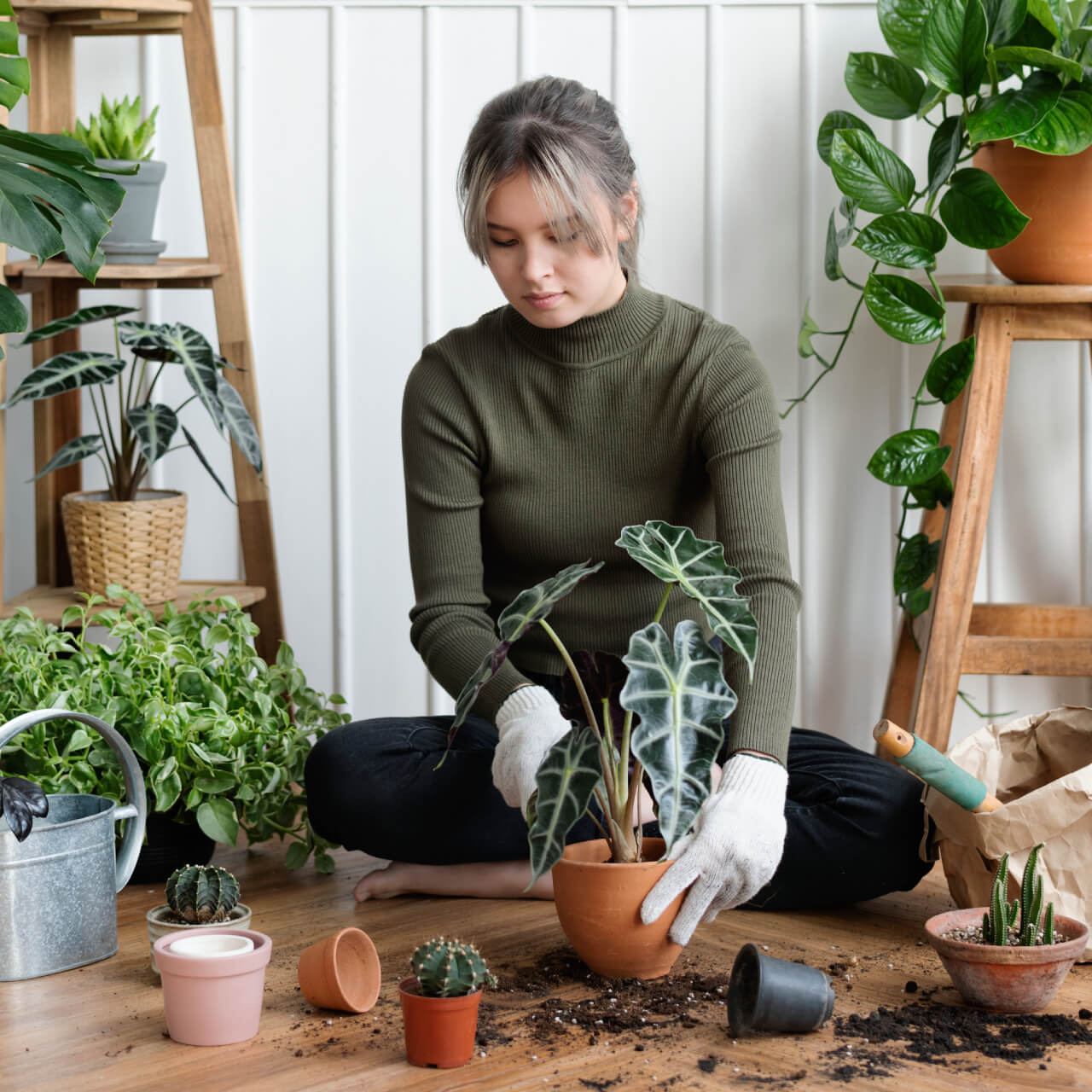
For Your Indoor Plants
Step 1: Reduce your watering frequency. Because your plants are entering dormancy and receiving less light, they are not drinking up water nearly as fast as they did in July. Always check the top two to three inches of soil before watering. If it still feels damp, wait a few more days. Overwatering right now can easily lead to root rot.
Step 2: Chase the light. As the sun's angle lowers in the autumn sky, the bright spots in your home will shift. Move your light-loving plants closer to south- or west-facing windows to maximize their exposure. Pro tip: Wipe down their leaves with a damp microfiber cloth to remove summer dust. Clean leaves absorb sunlight much more efficiently!
Step 3: Boost the humidity. Indoor heaters are notorious for drying out the air. This increases transpiration, the natural process where plants release moisture vapor through their leaves. To prevent crispy, brown leaf tips, group your plants together to create a humid microclimate, place a humidifier nearby, or set their pots on shallow pebble trays filled with water.
Step 4: Pause the fertilizer. Since your houseplants are resting and not actively pushing out new foliage, feeding them now can lead to a buildup of unused mineral salts in the soil. This can cause fertilizer burn on their delicate roots. Hold off on the plant food until you see new growth in early spring.
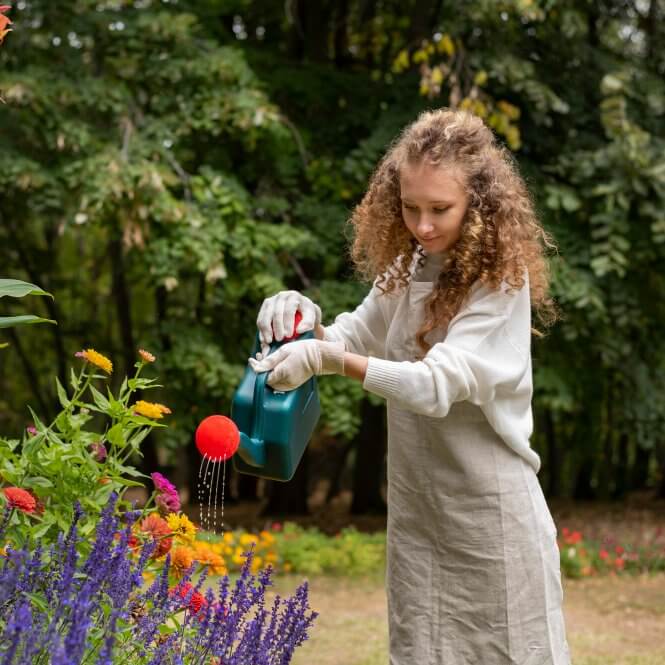
For Your Outdoor Plants
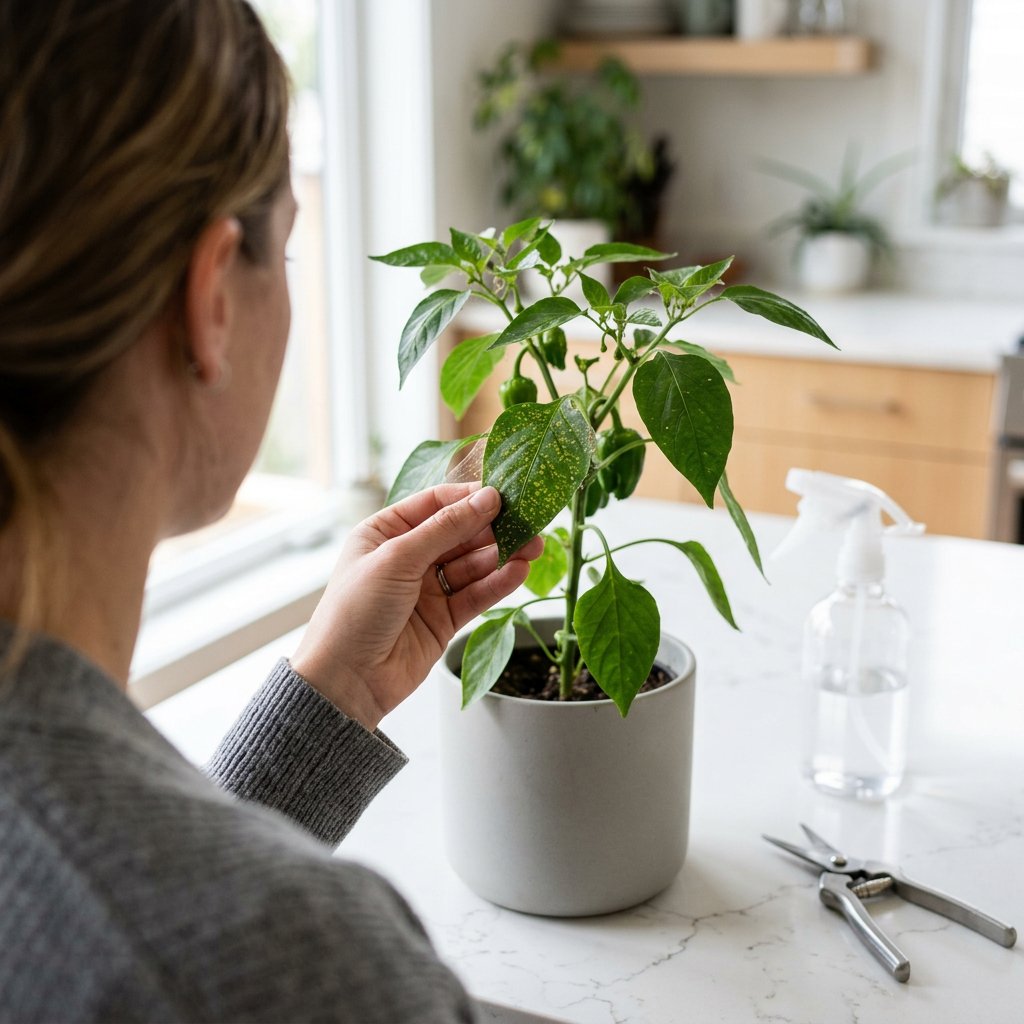
Step 1: Bring tender plants indoors. If you moved your tropical houseplants, citrus trees, or tender perennials to the patio for the summer, it is time to bring them back inside before the nighttime temperatures drop below 50°F (10°C). Inspect them thoroughly for hitchhiking pests first! If you are unsure what is wrong with your plant or spot a suspicious bug during this transition, you can use the AI-powered plant disease scanner in the Plantiary app to get an accurate diagnosis in seconds.
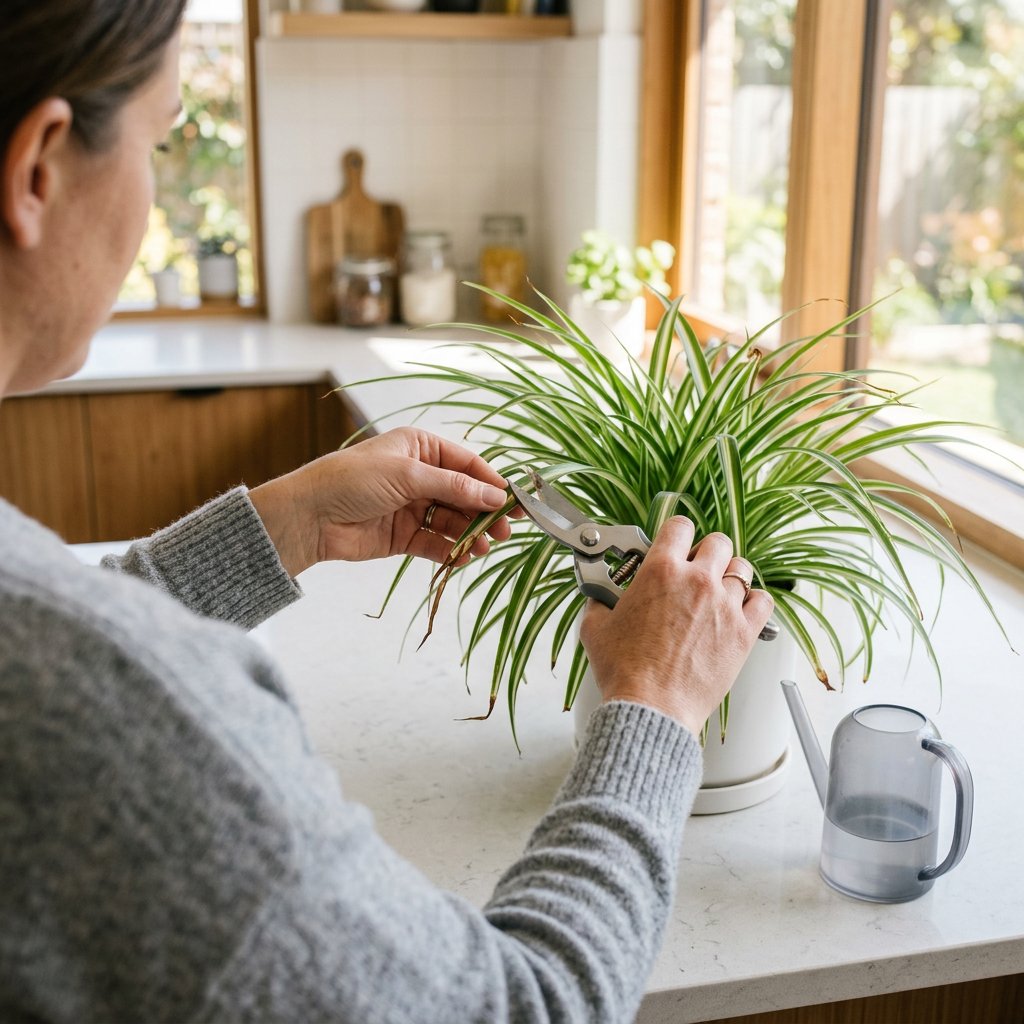
Step 2: Clean up the garden beds. Remove fallen leaves, dead stems, and spent flowers from around the base of your outdoor potted plants and garden beds. Decaying plant matter left on top of the soil can harbor harmful fungal spores and provide a hiding place for overwintering pests.
Step 3: Add a layer of mulch. For the outdoor perennials, potted hardy shrubs, and garden plants braving the cold, apply a 2-to-3-inch layer of organic mulch (like wood chips, bark, or straw) around their base. This acts just like a warm sweater, insulating the roots against sudden freezes and helping the soil retain essential moisture.
Changing seasons should never be a source of anxiety for plant parents. By understanding how your indoor and outdoor plants respond to the crisp autumn air, you can provide exactly what they need to rest safely through the winter. Embrace the slow-down, adjust your routine, and remember that a few dropped leaves are just part of your plant's beautiful, natural cycle!