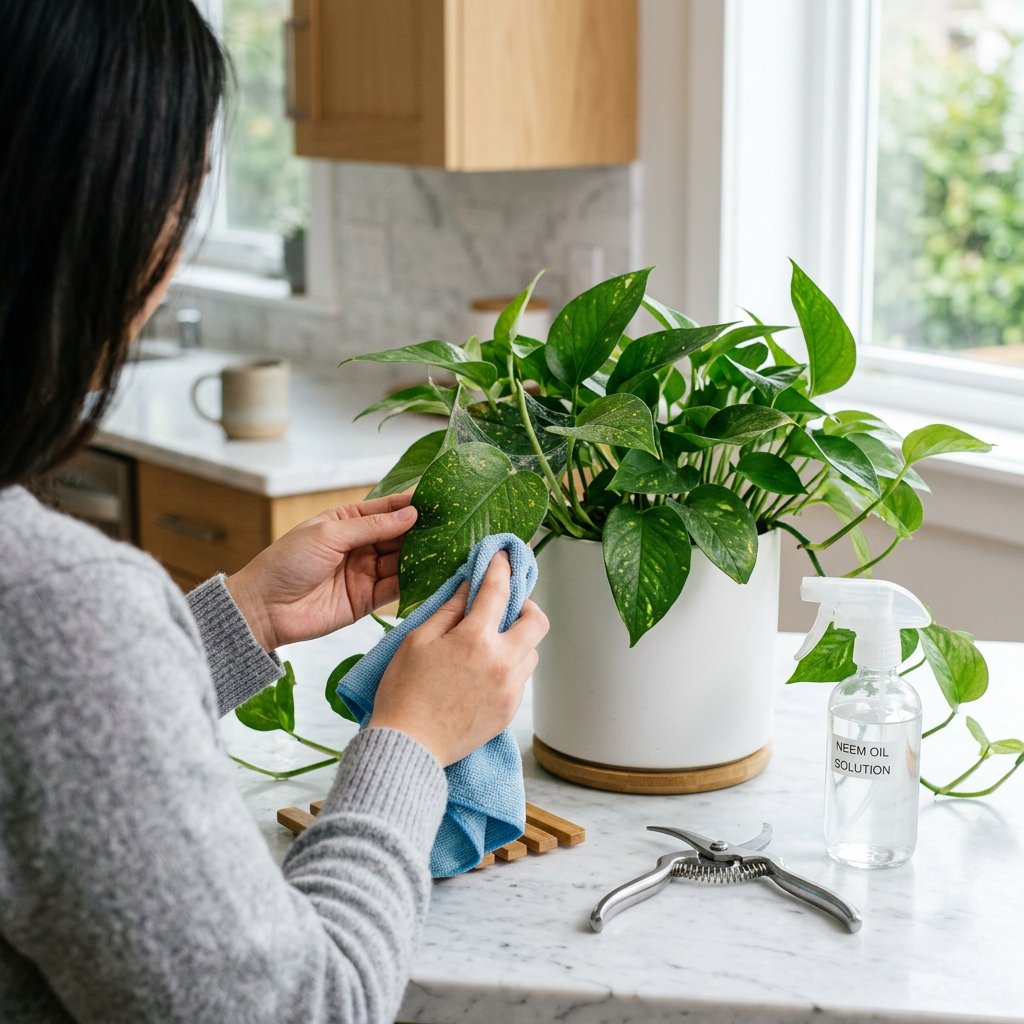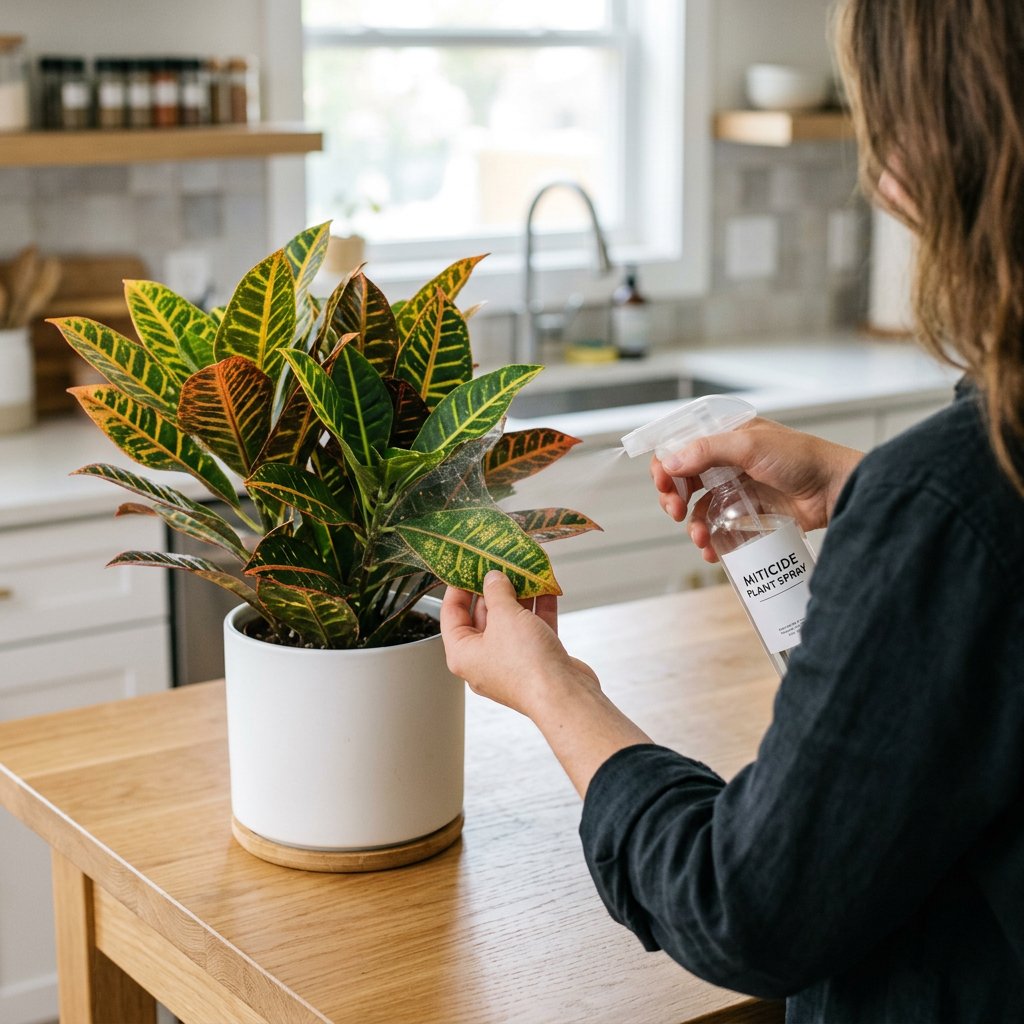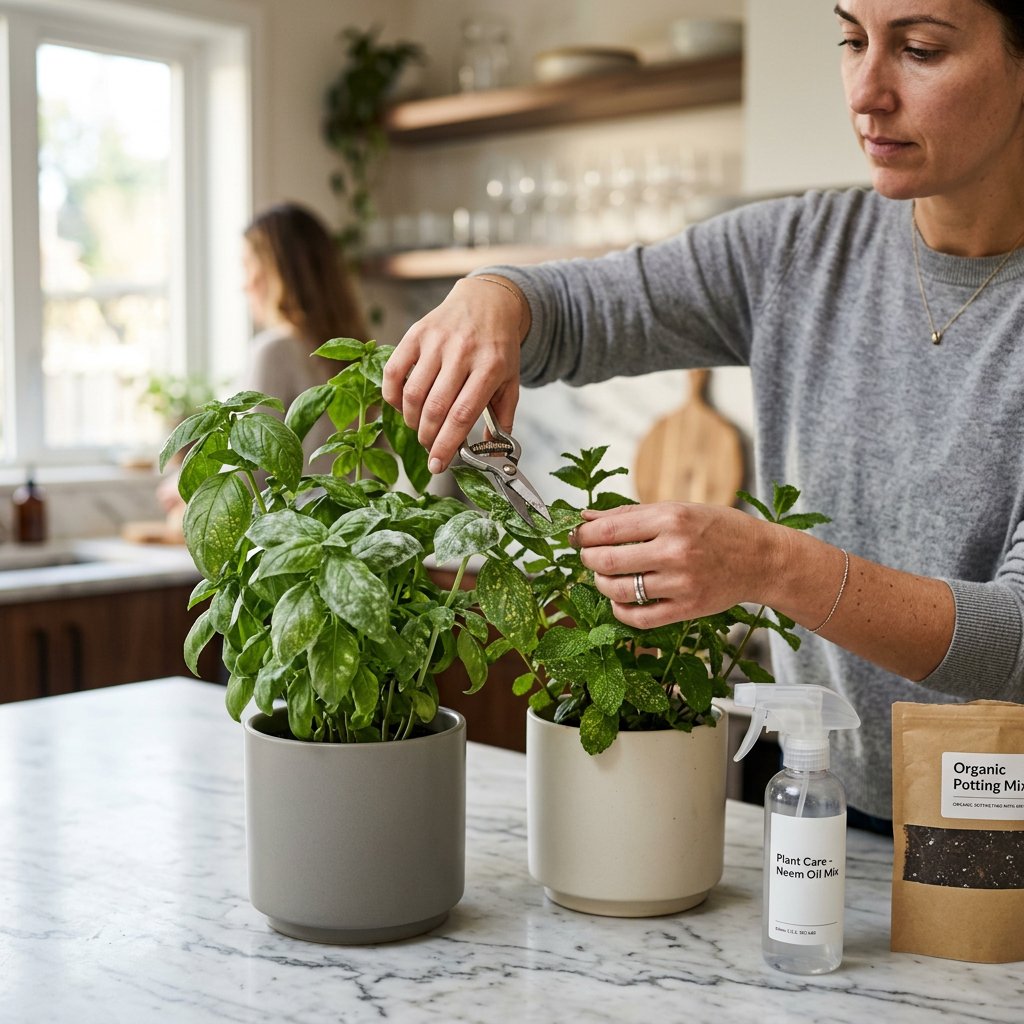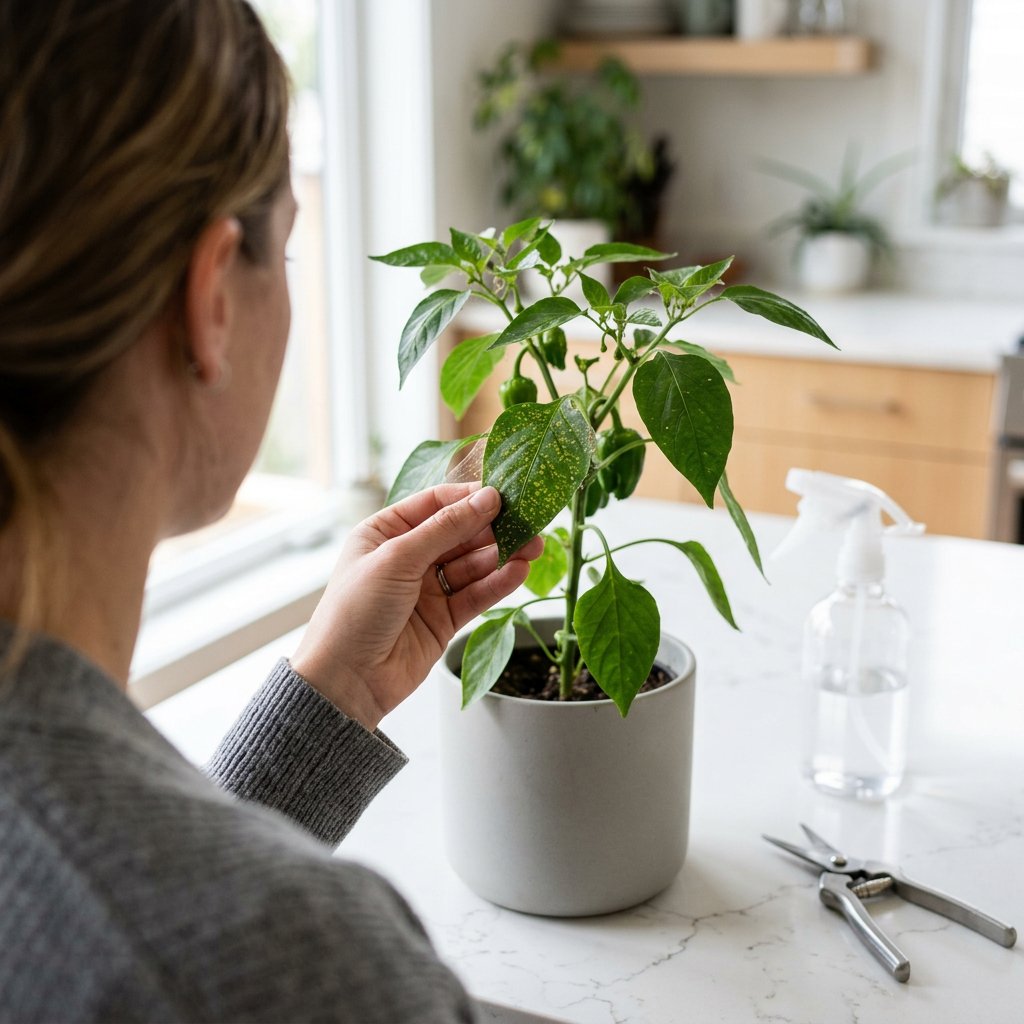
Growing pepper plants indoors is a fantastic way to enjoy fresh, spicy harvests year-round. But if you’ve recently noticed your vibrant green leaves looking a bit dusty or losing their vigor, you might be dealing with a common houseplant nuisance: spider mites. First of all, take a deep breath! Getting pests doesn't mean you're a bad plant parent; it happens to the most experienced botanists among us. These tiny critters are notorious for sneaking indoors, but with a little patience, you can absolutely save your peppers. If you ever feel stuck, remember that the Plantiary app is always in your pocket to help you identify and treat plant issues with confidence. Let's break down how to kick these tiny hitchhikers to the curb.
The Problem: Spotting Spider Mites on Your Pepper Plants
Spider mites are technically arachnids, not insects, and they are so incredibly small that they often look like moving grains of pepper or dust on the undersides of leaves. Because they are so tiny, you'll usually spot the damage before you spot the bugs themselves.
Here is what you should look out for:
- Fine webbing: This is the most telltale sign. You might see delicate, silk-like webs stretching between leaves and stems.
- Stippling: Tiny yellow or white dots across the leaf surface where the mites have pierced the plant cells to feed on the sap.
- Chlorosis: If you notice your leaves turning pale or overall yellow, this is known as chlorosis (a lack of chlorophyll). Mite damage prevents the plant from photosynthesizing properly, leading to this washed-out look.
- Leaf drop: In severe cases, the stressed leaves will dry up, become brittle, and fall off.
If you are unsure what is wrong with your plant or can't tell if those yellow spots are mite damage or a nutrient deficiency, you can use the AI-powered plant disease scanner in the Plantiary app to get an instant diagnosis in seconds!
The Causes: Why Are Spider Mites Attacking Your Peppers?
Why do these microscopic pests love indoor pepper plants so much? It usually comes down to the indoor environment.
- Dry air: Spider mites absolutely thrive in hot, dry conditions. Unlike outdoor gardens, our homes often have very low humidity, especially in the winter when central heating is running.
- Lack of natural predators: Outside, beneficial insects like ladybugs and predatory mites keep spider mite populations in check. Indoors, pests have a safe haven to multiply rapidly without any natural threats.
- Stressed plants: Plants that are under-watered, root-bound, or lacking nutrients are much more susceptible to infestations. A healthy plant has better natural defenses against pests.
The Solutions: Step-by-Step Spider Mite Treatment
Ready to help your pepper plant bounce back? Skip the strange internet hacks and stick to these scientifically proven, safe methods to eradicate spider mites.
Step 1: Isolate the patient. As soon as you suspect spider mites, move your pepper plant away from your other houseplants. These pests can easily travel on air currents or clothing to infect your entire indoor jungle.
Step 2: Give it a good shower. Take your pepper plant to the sink or shower. Using lukewarm water, gently but thoroughly spray down the foliage, paying special attention to the undersides of the leaves. The physical force of the water will wash away a large portion of the adult mites and destroy their webs.
Step 3: Treat with insecticidal soap or neem oil. Once the leaves are dry, apply a high-quality horticultural spray. Insecticidal soaps break down the mites' protective outer layer, while neem oil acts as a natural repellent and disrupts their life cycle. Make sure to spray the undersides of the leaves completely. Repeat this treatment every 5 to 7 days for a few weeks to catch any newly hatched eggs.
Step 4: Boost the humidity. Since spider mites hate moisture, increasing the ambient humidity around your pepper plant is a great preventative measure. You can use a small room humidifier or place the plant's pot on a pebble tray filled with water (making sure the roots aren't sitting directly in the water).
Step 5: Prune heavily damaged foliage. If certain leaves are completely yellowed and covered in webs, use clean, sterilized scissors to snip them off. This prevents the mites from spreading and helps the plant redirect its energy into pushing out healthy new growth.
Keep Growing with Confidence
Dealing with spider mites on your indoor pepper plants can be a bit frustrating, but it is incredibly rewarding to watch your plant recover and start producing those spicy little peppers again. Consistency is your best friend here—keep checking those leaves and stick to your treatment routine. You've got this! For more personalized care reminders, pest alerts, and watering schedules, don't forget to log your plant's recovery progress in the Plantiary app. Happy growing!