Pothos plants are incredibly forgiving, which is exactly why we love them. But sometimes, even the easiest, most resilient houseplants fall victim to tiny, uninvited guests. If you’ve recently noticed delicate webs or a sad, dusty look on your normally lush vines, you might be dealing with spider mites. Take a deep breath! Plant pests happen to the best of us, and it certainly doesn't mean you are failing as a plant parent. With a little patience and the right steps, your pothos will bounce back in no time. Plus, if you ever doubt your diagnosis, the Plantiary app is always right in your pocket to help you figure it out!
Here is your comprehensive guide to identifying, understanding, and safely eliminating spider mites from your pothos.
The Problem: Symptoms of Spider Mites on Pothos
Spider mites are minuscule arachnids (tiny relatives of spiders) that survive by sucking the nutrient-rich sap right out of your plant's leaves. Because they are roughly the size of a grain of pepper, you will almost always notice the damage before you spot the bugs themselves.
Look out for these tell-tale symptoms:
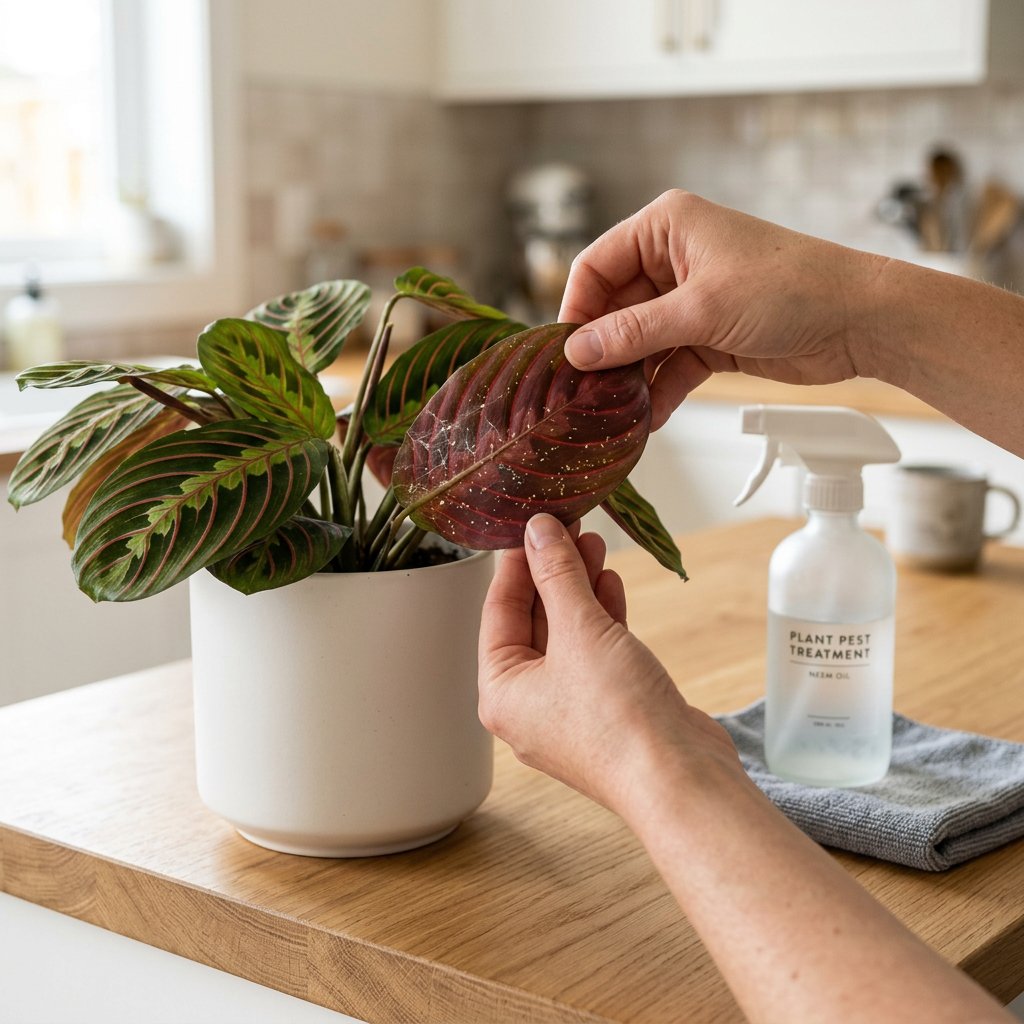
- Delicate webbing: Check the undersides of the leaves and the joints where the stems meet the main vine. You might see fine, silky threads resembling spider webs.
- Stippling: This is a botanical term for tiny yellow or white dots on the foliage. It happens when mites pierce individual plant cells and drain their contents, leaving dead, discolored spots behind.
- Dull, yellowing leaves: Over time, the continuous loss of sap causes the leaves to lose their vibrant green color. The plant may look lethargic, faded, or unusually dusty.
- Leaf drop: In severe infestations, heavily damaged leaves will dry up and fall off completely.
The Causes: Why Are Spider Mites Attacking Your Plant?
You might be wondering, "Where did they even come from?" Spider mites are highly opportunistic little critters. Here is why they might have targeted your pothos:
- Low Humidity: Spider mites absolutely thrive in hot, dry conditions. If your home has dry indoor air—especially during the winter when central heating systems are running—it creates a perfect breeding ground for them.
- New Plant Additions: Sometimes, pests hitch a ride on that beautiful new plant you just brought home from the garden center.
- An Open Window: A warm, dry breeze can literally blow these microscopic pests right through an open window and onto your windowsill plants.
The Solutions: Step-by-Step Treatment for Spider Mites
Don't panic! Pothos plants are tough survivors. Please skip the unverified internet hacks (like rubbing mayonnaise on leaves, which clogs the plant's pores!) and follow this scientifically proven, safe method to banish spider mites for good.
Step 1: Isolate your pothos. The very first thing you need to do is move your infected pothos away from your other houseplants. Spider mites spread rapidly from foliage to foliage, so creating a quarantine zone is a crucial first step.
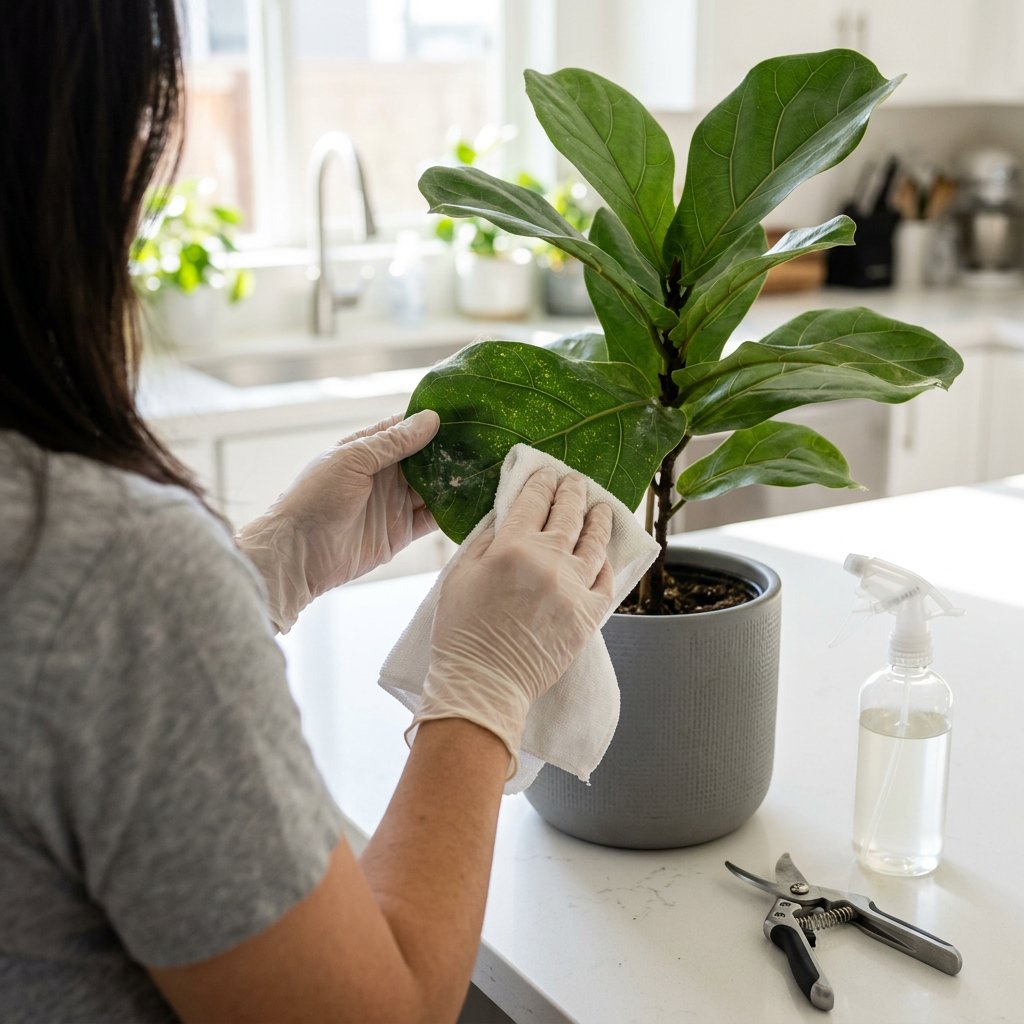
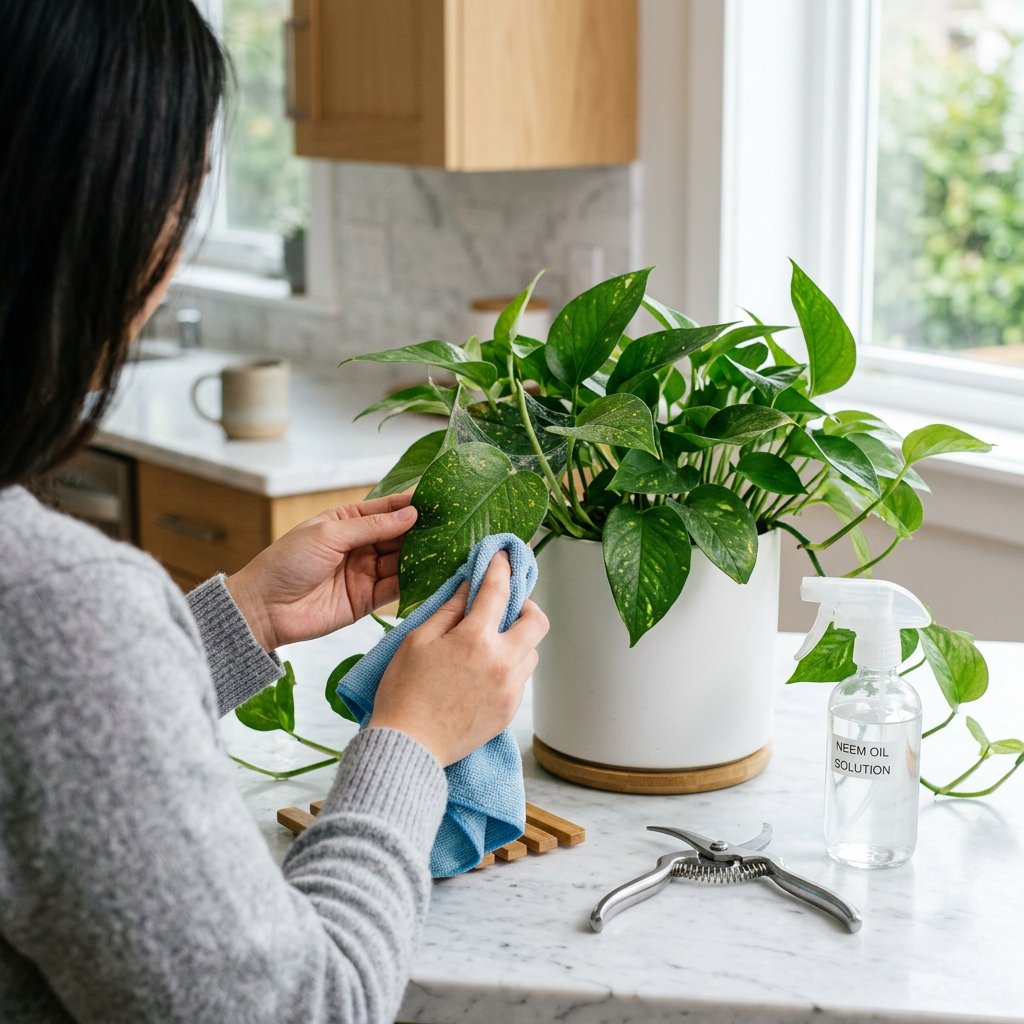
Step 2: The shower method. Take your pothos to the sink or shower and gently spray the foliage with lukewarm water. The physical force of the water will safely wash away a large portion of the mites and their webs. Be sure to gently rub the undersides of the leaves where they love to hide.
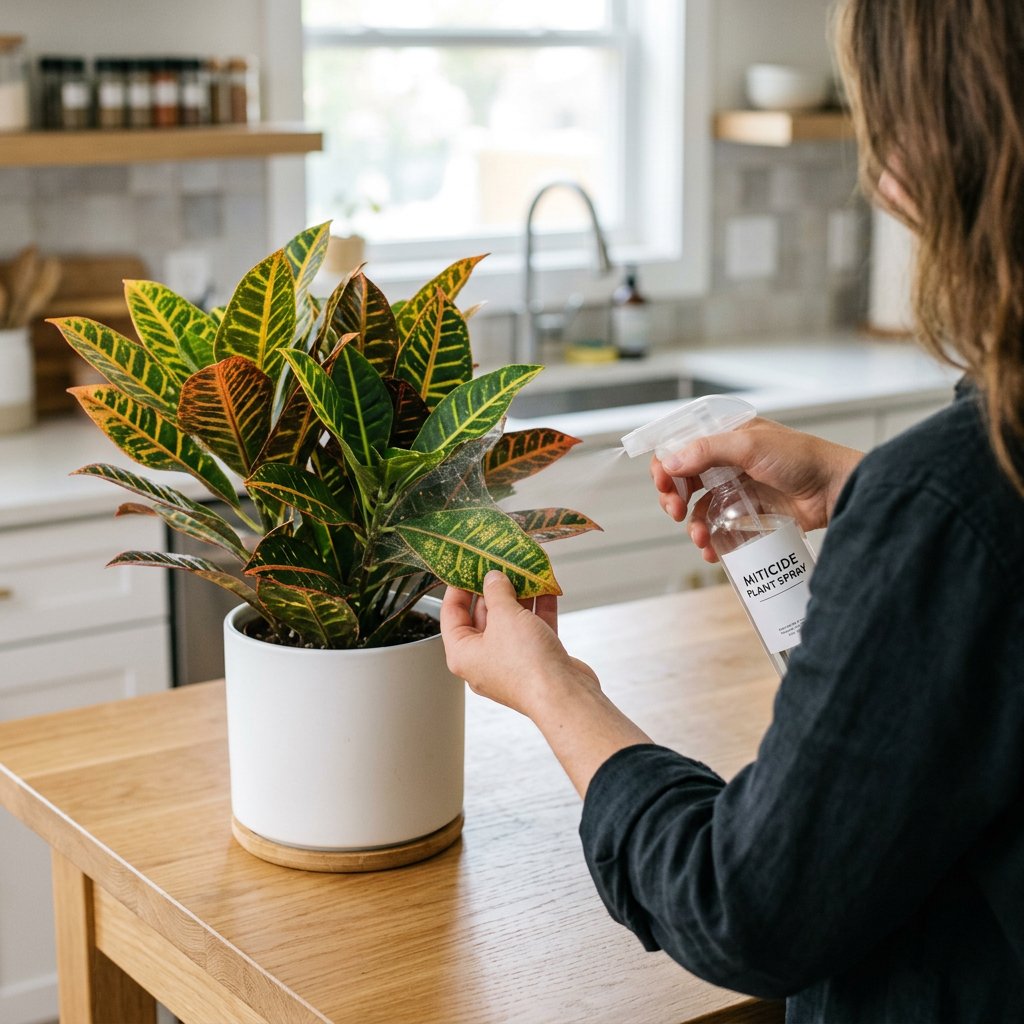
Step 3: Apply insecticidal soap or neem oil. Once the leaves are dry, treat the plant with a high-quality insecticidal soap or a diluted neem oil spray. Neem oil is a natural, organic horticultural oil that coats the pests and disrupts their life cycle. Spray the entire plant thoroughly, paying special attention to the nooks and crannies. Pro tip: Keep the plant out of direct sunlight while the oil or soap dries to prevent accidental leaf burns.
Step 4: Boost the humidity. Since spider mites hate moisture, increasing the humidity around your pothos will make the environment incredibly unappealing to them. You can use a room humidifier, group your plants closer together, or place a pebble tray filled with water beneath the plant's pot.
Step 5: Monitor and repeat. Spider mites are stubborn, and their eggs hatch every few days. You will need to repeat your neem oil or soap treatment every 5 to 7 days for about a month to completely break their life cycle and ensure no new babies survive.
Keep Your Pothos Thriving
Fighting pests is a rite of passage in the houseplant journey. Your pothos has plenty of fight left in it, and with consistent care, it will soon be pushing out fresh, healthy, vibrant vines again!
If you are ever unsure whether your plant is battling spider mites, a fungal infection, or just a watering issue, remember that expert help is just a tap away. You can use the AI-powered plant disease scanner in the Plantiary app to get a diagnosis in seconds, along with a personalized care schedule to nurse your green friend back to perfect health. Happy growing!