If you’ve ever admired the stunning, intricately patterned leaves of a Prayer Plant (Maranta leuconeura), you know how heartbreaking it is when those vibrant colors start to fade. Don't worry, you aren't a bad plant parent! Pests are a completely normal part of the houseplant journey, and one of the most common uninvited guests on Prayer Plants is the notorious spider mite. Take a deep breath—we are going to walk through exactly how to identify, understand, and banish these tiny bugs so your beautiful plant can thrive again.
The Problem: Spotting Spider Mite Symptoms
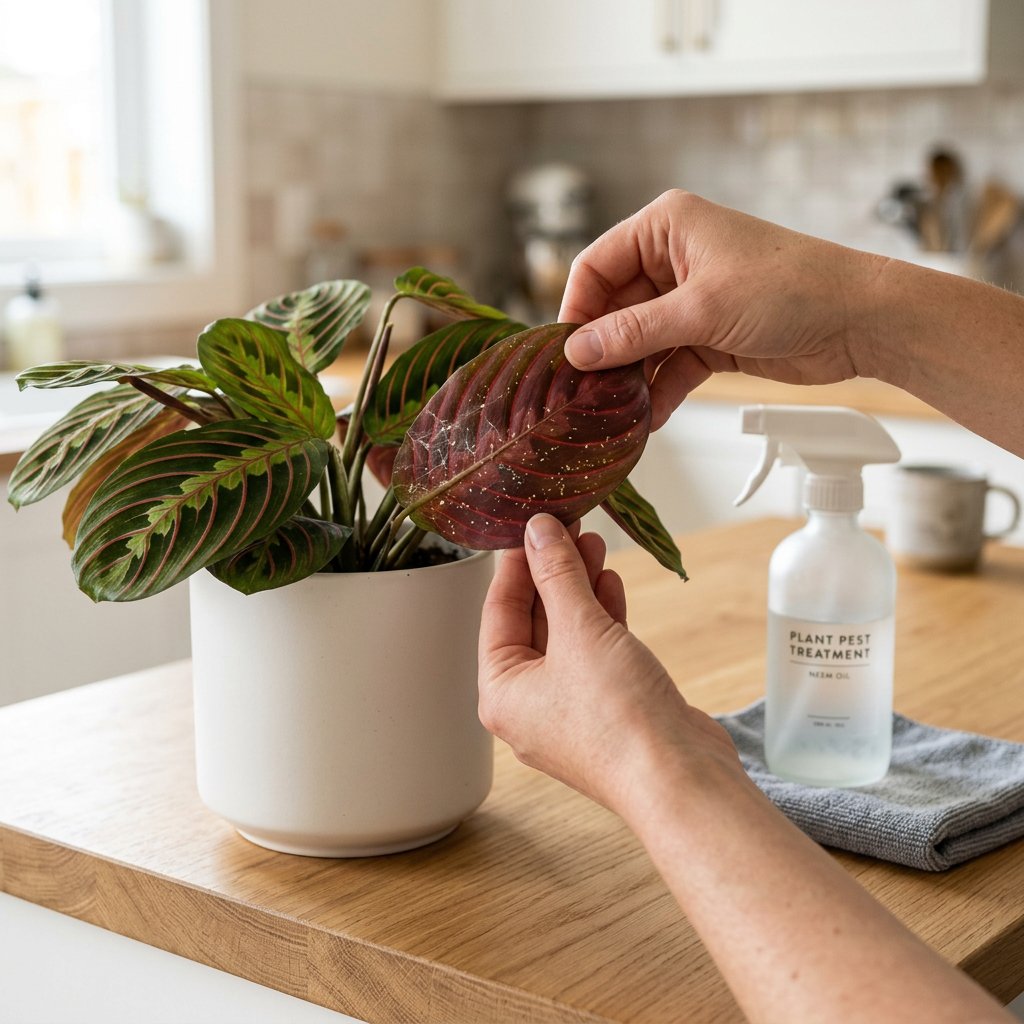
Spider mites are actually tiny arachnids, not insects, and they are so small they often look like moving specks of reddish-brown or translucent dust. Because they are incredibly hard to see with the naked eye, you will usually notice the damage before you spot the pests themselves. Keep an eye out for these telltale signs:
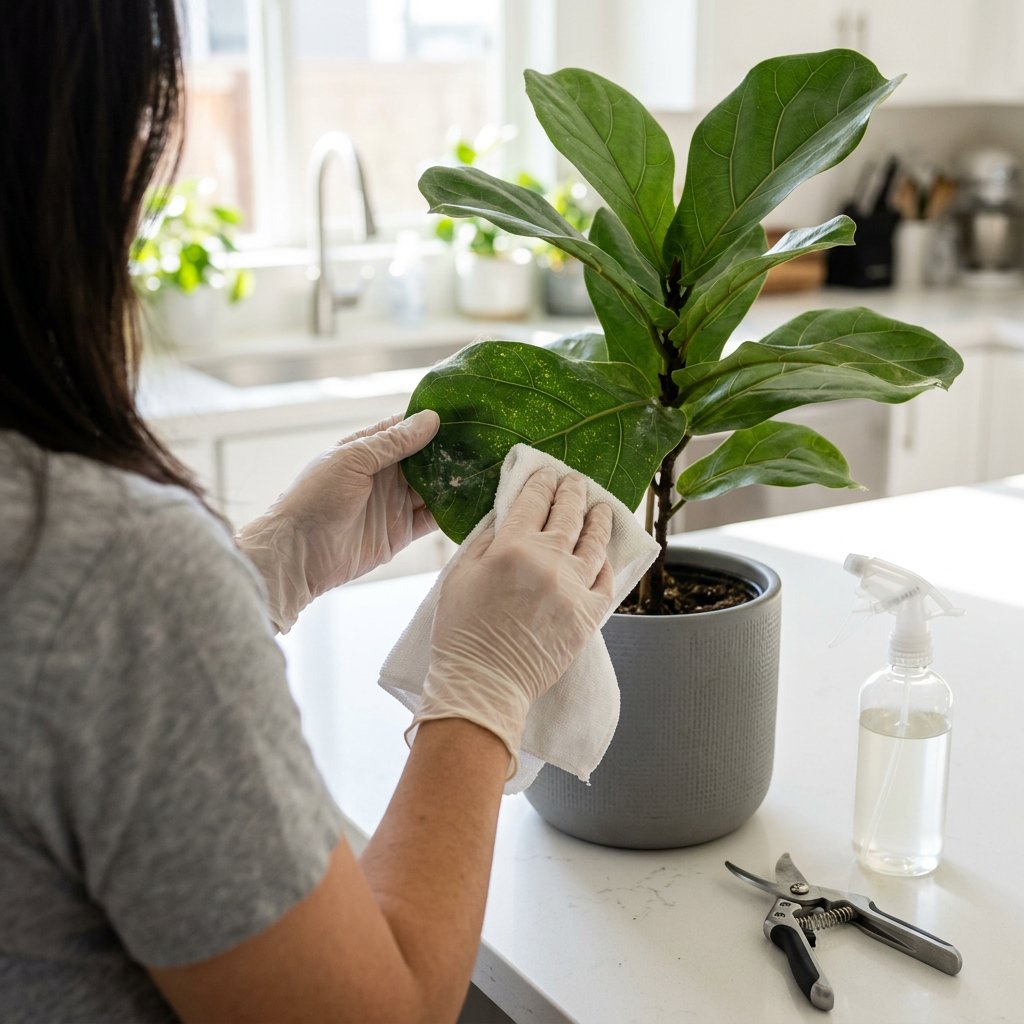
- Stippling: This is the botanical term for tiny yellow or white dots appearing across the leaves. It happens because spider mites pierce individual plant cells to suck out the sap, leaving a microscopic dead spot behind.
- Delicate Webbing: You might notice fine, silky webs stretched tightly across the undersides of the leaves or right where the leaf meets the stem.
- Faded or Papery Foliage: The overall color of your Prayer Plant may start to look washed out, gray, or dry to the touch. Eventually, heavily damaged leaves will curl and drop off.
If you are unsure whether your plant is suffering from a pest infestation, watering issues, or something else, you can use the AI-powered plant disease scanner in the Plantiary app to snap a photo and get a diagnosis in seconds!
The Causes: Why Is My Prayer Plant Under Attack?
Spider mites are opportunistic little creatures. They rarely appear because you actively did something wrong; rather, they take advantage of specific environmental conditions.
- Low Humidity: Spider mites absolutely love hot, dry air. Because Prayer Plants naturally grow on the floors of tropical rainforests, they require high humidity. When the air in your home gets too dry, it stresses the plant and creates a perfect, cozy breeding ground for mites.
- Winter Heating: Indoor furnaces and space heaters dry out the air significantly, making the winter months a prime time for spider mite outbreaks.
- Hitchhiking: These pests often hitch a ride into your home on newly purchased plants from the nursery, on your clothing, or even on a warm breeze through an open window.
The Solutions: Step-by-Step Treatment
Treating spider mites requires a bit of patience and consistency, but your Prayer Plant can absolutely bounce back. Avoid harsh, unverified DIY home remedies, which can burn sensitive foliage. Instead, follow these scientifically proven steps:
Step 1: Isolate the Plant As soon as you suspect spider mites, immediately move your Prayer Plant away from your other houseplants. Spider mites can easily travel on air currents or by walking across overlapping leaves. Keep the plant in quarantine until you are certain the infestation is gone.
Step 2: Give Your Plant a Shower Physical removal is one of the most effective ways to knock down the mite population. Take your Prayer Plant to the sink or shower and gently spray the foliage with lukewarm water. Be sure to target the undersides of the leaves, where mites hide. Tip: Prayer Plant stems are delicate, so keep the water pressure gentle to avoid snapping them.
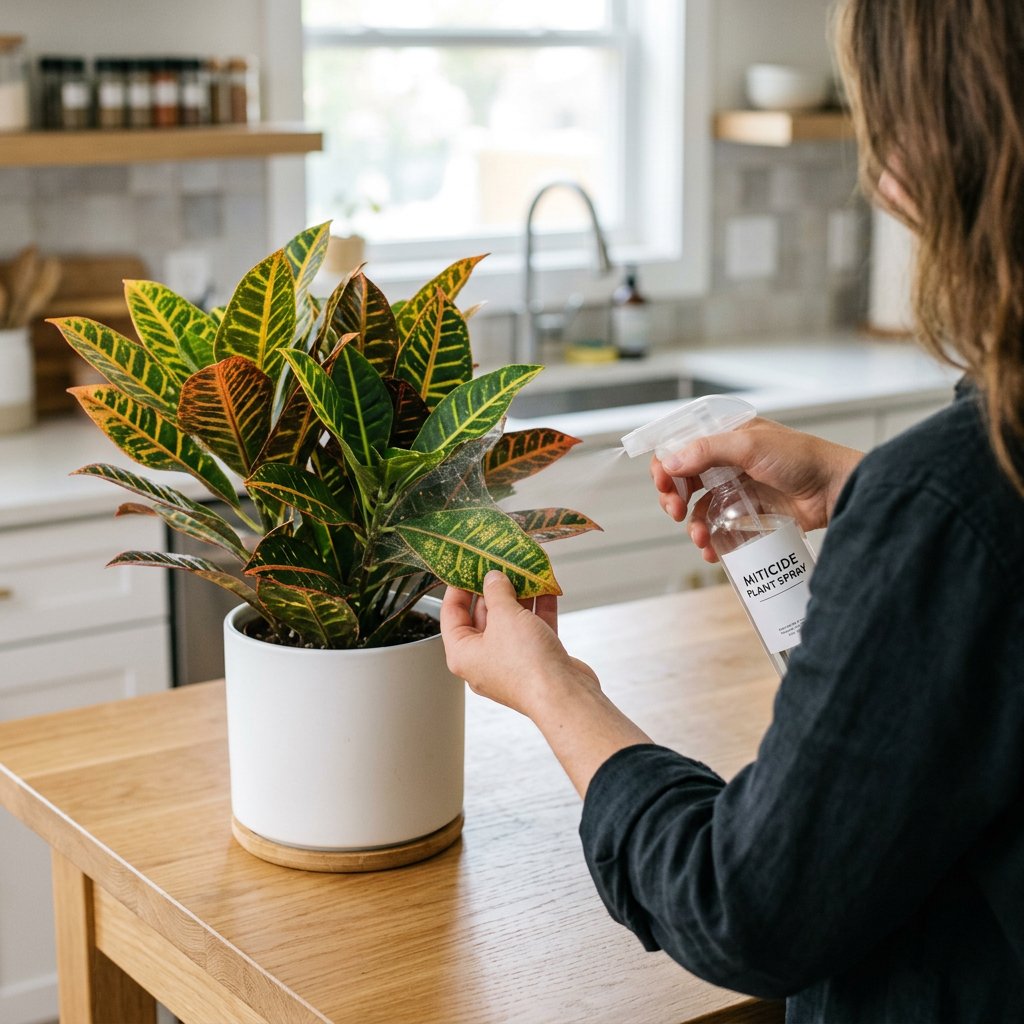
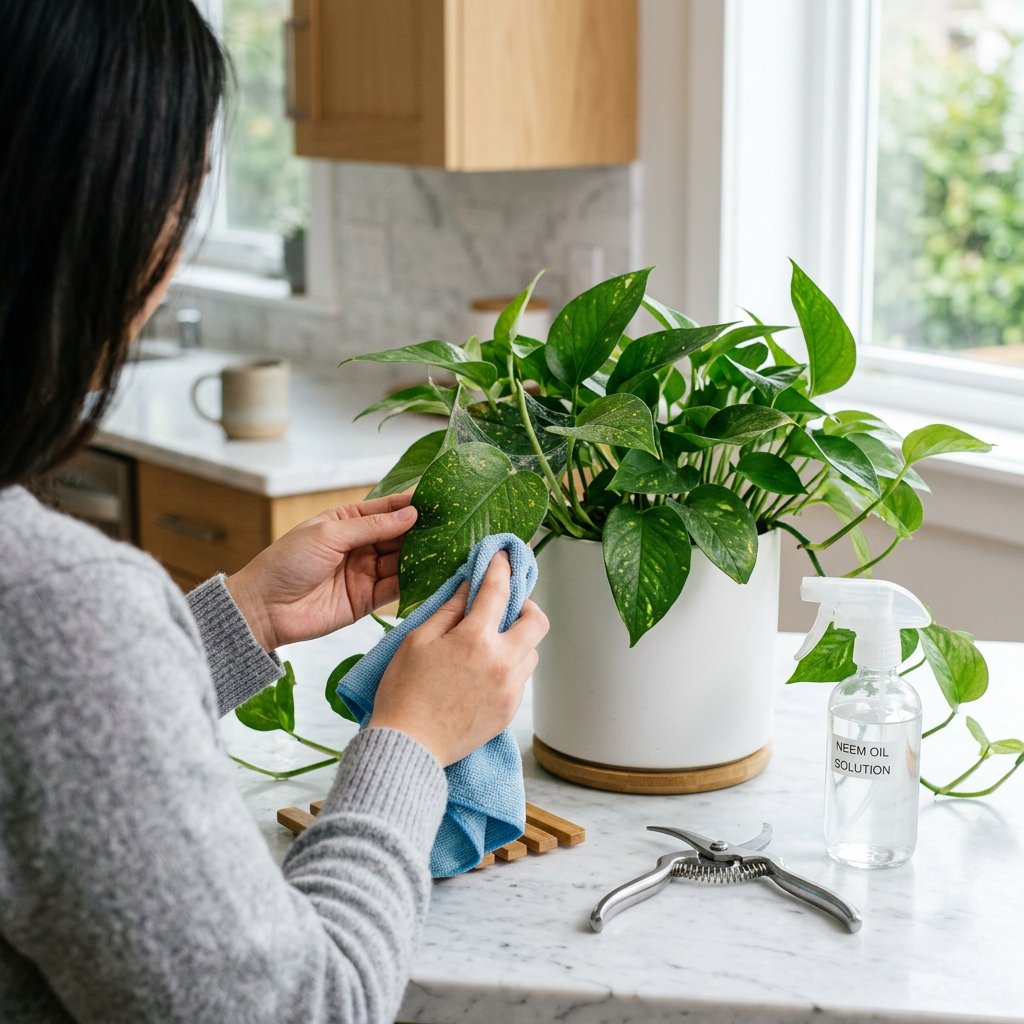
Step 3: Treat with Insecticidal Soap or Neem Oil Once the leaves are dry, apply a high-quality insecticidal soap or a diluted neem oil solution. Neem oil is a natural, safe horticultural oil that coats the bugs and disrupts their life cycle without harming the plant. Spray the top and bottom of every single leaf, as well as the stems. Repeat this treatment every 5 to 7 days for a few weeks to catch any newly hatched eggs.
Step 4: Prune the Heavily Damaged Leaves Leaves that are entirely covered in stippling or webbing will not turn green again. Using a pair of sterilized scissors, gently prune away the worst-hit leaves. This helps the plant redirect its energy toward pushing out healthy, new growth rather than trying to heal dying tissue.
Step 5: Boost the Ambient Humidity Prevention is the best cure. Since spider mites despise moisture, increasing the humidity around your Prayer Plant is the best way to keep them away. You can place a humidifier nearby, group your plants closer together to create a microclimate, or set the plant's pot on a tray filled with pebbles and water (making sure the roots aren't sitting directly in the water).
Dealing with pests can feel overwhelming, but it is a rite of passage for every plant lover. Stay consistent with your treatments, keep that humidity up, and your Prayer Plant will soon be back to doing its beautiful, nightly dance!