Summer brings beautiful, sunny days and an explosion of new growth for our indoor and outdoor gardens. But as temperatures rise, you might notice your once-thriving green friends starting to look a little exhausted. If you have ever panicked over a drooping fern or crispy pothos during a July heatwave, take a deep breath! Dehydration during the hotter months happens to absolutely every plant parent. Watering is a balancing act, and we are here to help you master it.
Here is everything you need to know about keeping your plants perfectly hydrated when the weather heats up.
The Problem: Recognizing Summer Watering Stress
Before you grab the watering can, it is important to "read" your plant. During summer, plants easily suffer from dehydration, but anxious plant parents can also accidentally overwater in an attempt to help. Here are the symptoms to watch for:
- Wilting and Drooping: The stems and leaves lose their rigidity and look sad and limp.
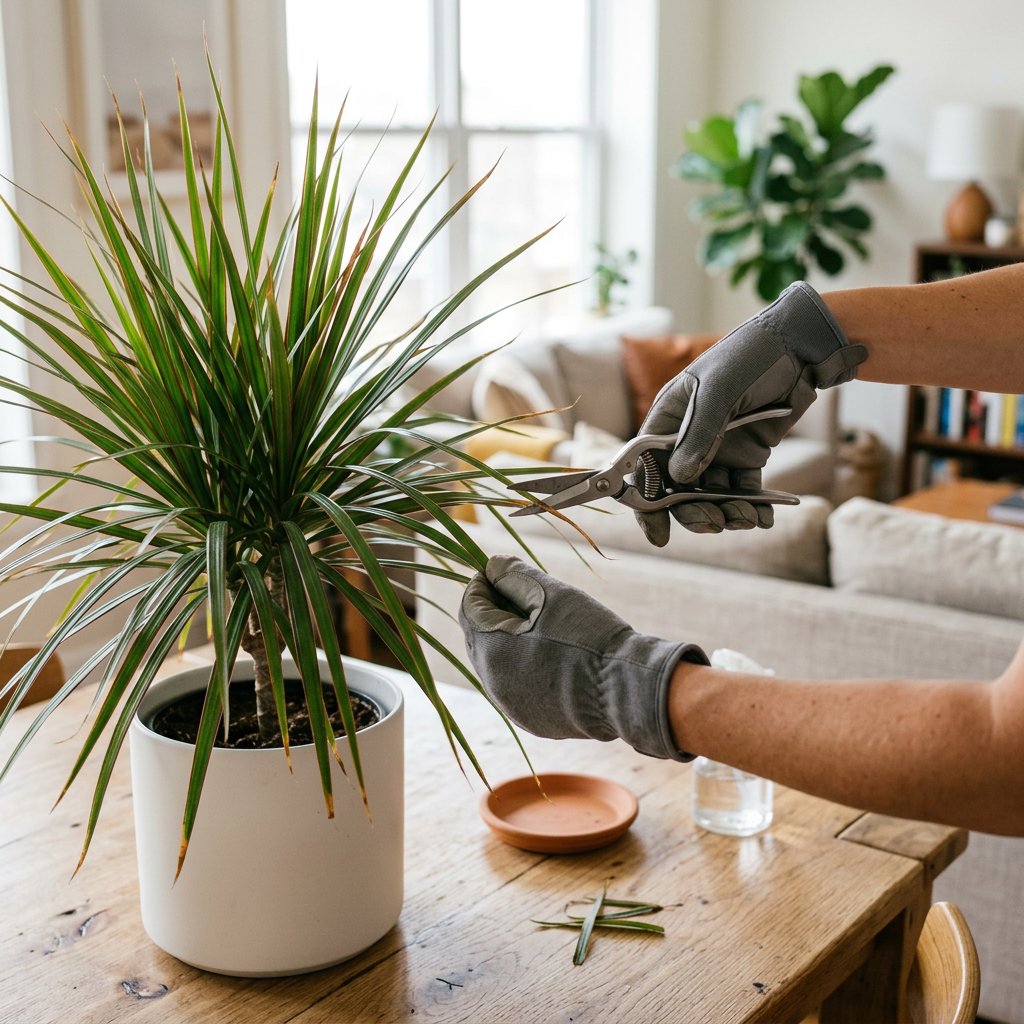
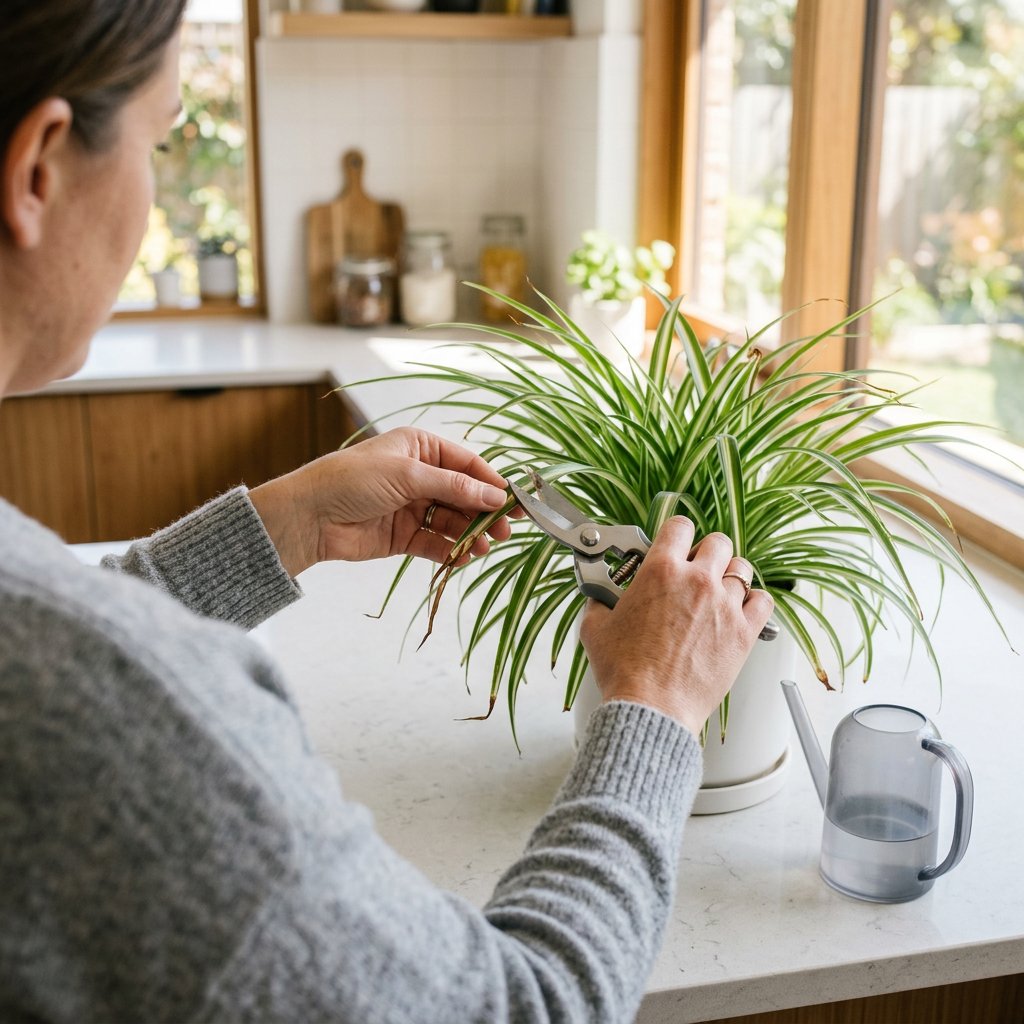
- Crispy, Brown Edges: The margins of the leaves become dry and brittle to the touch.
- Dry, Pulled-Away Soil: The potting mix shrinks and pulls away from the sides of the pot. This is often a sign of hydrophobic soil—soil that has become so dry it actually repels water.
- Yellowing Leaves (Chlorosis): A common sign of stress. If the soil is bone dry, it's underwatering. If the soil is soggy and smells swampy, you have overwatered and the roots are suffocating.
If you are ever unsure what is wrong with your plant, you can use the AI-powered plant disease scanner in the Plantiary app to get an accurate diagnosis in seconds.
The Causes: Why Summer Shifts Your Plant's Needs
Why does a care routine that worked perfectly in March suddenly fail in July? The answer comes down to botany and environment:
- Increased Transpiration: Just like humans sweat to cool down, plants undergo transpiration—a process where water moves through the plant and evaporates from tiny pores on the leaves called stomata. In high heat, plants transpire rapidly and lose water much faster.
- Faster Evaporation: Hot air and longer daylight hours cause the moisture in your potting soil to evaporate into the air before the roots even get a chance to drink it.
- Active Growing Season: For most houseplants, summer is their peak growing season. Pushing out all those beautiful new leaves requires a lot of cellular energy and, you guessed it, extra water!
The Solutions: Step-by-Step Summer Watering Tips
Adjusting your routine doesn't have to be complicated. Follow this simple, scientifically-backed treatment plan to keep your garden lush all summer long.
Step 1: Check the Soil Deeply
Never water on a rigid schedule without checking the soil first. Stick your finger about two inches down into the potting mix. If it feels completely dry, it is time to water. If it still feels moist, wait a day or two. For larger pots, a wooden skewer gently pushed into the soil works perfectly—if it comes out with dark, moist soil clinging to it, hold off on watering.
Step 2: Time It Right
The best time to water your plants in the summer is early in the morning. Watering in the morning gives the plant plenty of moisture to handle the heat of the day. Avoid watering in the heat of the afternoon, as the water will evaporate before reaching the roots. Evening watering is okay, but damp soil sitting overnight can sometimes encourage fungal growth.
Step 3: Water Deeply, Not Just Frequently
When plants are extra thirsty, giving them a small "sip" of water every day does more harm than good. Shallow watering encourages weak, shallow root systems. Instead, water thoroughly until you see excess water flowing out of the pot's drainage holes. This encourages roots to grow deep and strong.
Step 4: Rehydrate Hydrophobic Soil
If your water runs instantly down the sides of the pot and out the bottom, your soil is likely hydrophobic. To fix this, use the bottom-watering method. Fill a bowl or sink with a few inches of water and place your plant pot (with drainage holes) inside. Let it soak up water from the bottom for 30 to 45 minutes, then let it drain completely.
Step 5: Adjust Your Routine with Technology
Because heat waves are unpredictable, relying on memory alone can lead to crispy leaves. Take the guesswork out of your routine by setting up smart watering schedules in the Plantiary app. The app helps you track when you last watered and gently reminds you when it's time to check on your plants again.
Remember, gardening is an ongoing learning experience. A few dry leaves are completely normal and part of the journey. By paying close attention to your plants' changing needs and adjusting your watering strategy, your indoor jungle will survive the summer heat and thrive beautifully!