Welcome to the wonderful world of indoor gardening! If you are staring at a drooping pothos or a crispy fern and wondering where things went wrong, take a deep breath. Every seasoned botanist and green-thumbed guru has lost a plant or two along the way. Bringing a piece of nature indoors is a beautiful journey, but it naturally comes with a learning curve. Fortunately, you don’t have to figure it out all on your own. With a bit of foundational knowledge and a handy tool like the Plantiary app in your pocket, you can transform your space into a lush, thriving indoor jungle.
The Problem: Recognizing When Your Plant Needs Help
Before mastering a care routine, it is incredibly helpful to know what a struggling plant looks like. Plants can’t speak, but they do an excellent job of communicating through their leaves and stems. As a plant parent, you might run into a few of these common symptoms:
- Chlorosis (Yellowing Leaves): This is a botanical term for a lack of chlorophyll, which causes previously green leaves to turn pale or yellow. It means your plant is lacking something vital to produce its energy.
- Etiolation (Leggy Growth): Do your plant's stems look stretched out and weak, with large, awkward gaps between the leaves? This is known as etiolation—it is your plant physically stretching and straining to reach for a light source.
- Wilting and Crispy Edges: Drooping foliage or brown, brittle leaf tips that crumble when you touch them.
- Edema (Blistering Leaves): Small, water-soaked blisters on the undersides of leaves, which occur when roots take up water faster than the leaves can use it.
The Causes: Why Do Houseplants Get Sick?
If your plant is showing any of the symptoms above, please don't feel guilty. Indoor environments are vastly different from a plant's natural tropical or arid habitat. The most common culprits behind these issues include:
- Watering Imbalances: Giving too much or too little water is the number one cause of houseplant demise. Overwatering often leads to chlorosis and edema, while underwatering causes crispy edges.
- Poor Drainage: When water sits at the bottom of a pot, it suffocates the roots. This leads to a serious fungal issue known as root rot, which destroys the plant's ability to drink.
- Improper Light Levels: Placing a sun-loving plant in a dark corner or a shade-loving fern in blazing, direct sunlight disrupts their ability to photosynthesize properly, resulting in etiolation or scorched leaves.
The Solutions: Step-by-Step Houseplant Care
Ready to turn things around? Follow these essential steps to set your green companions up for long-term health and success.
Step 1: Match the Plant to the Light Always assess your natural light before placing a plant. Most tropical houseplants prefer bright, indirect light (like the light found right next to an east-facing window). If you have a dim room, opt for low-light tolerant plants like ZZ plants or Snake plants. If your plant is suffering from etiolation, slowly move it closer to a window over a few days so it can adjust without getting sunburned.
Step 2: Check the Soil Before You Water Ditch the strict weekly watering schedule! Instead, let the plant tell you what it needs. Stick your finger about two inches into the potting soil. If it feels completely dry, it is time to water. If it still feels moist, wait a few more days. Pro Tip: If you struggle to remember when to check your soil, you can use the Plantiary app to set customized care reminders tailored to the specific plants in your collection.
Step 3: Ensure Excellent Drainage Never let your plant sit in a puddle. Always use pots with drainage holes at the bottom. When watering, pour water evenly over the soil until it runs out the bottom, let it drain completely, and then empty the saucer. If your decorative pot doesn't have holes, keep your plant in a well-draining plastic nursery pot and simply slip it inside the decorative one.
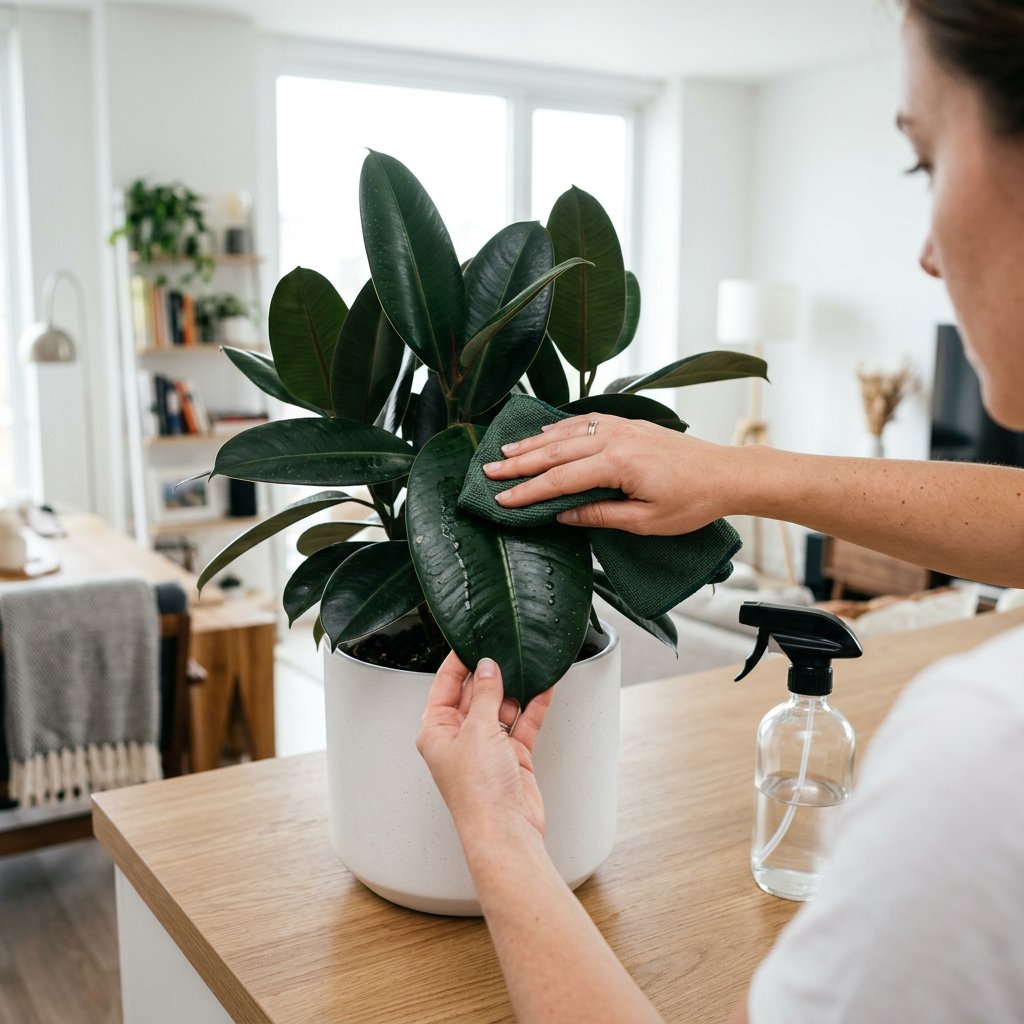
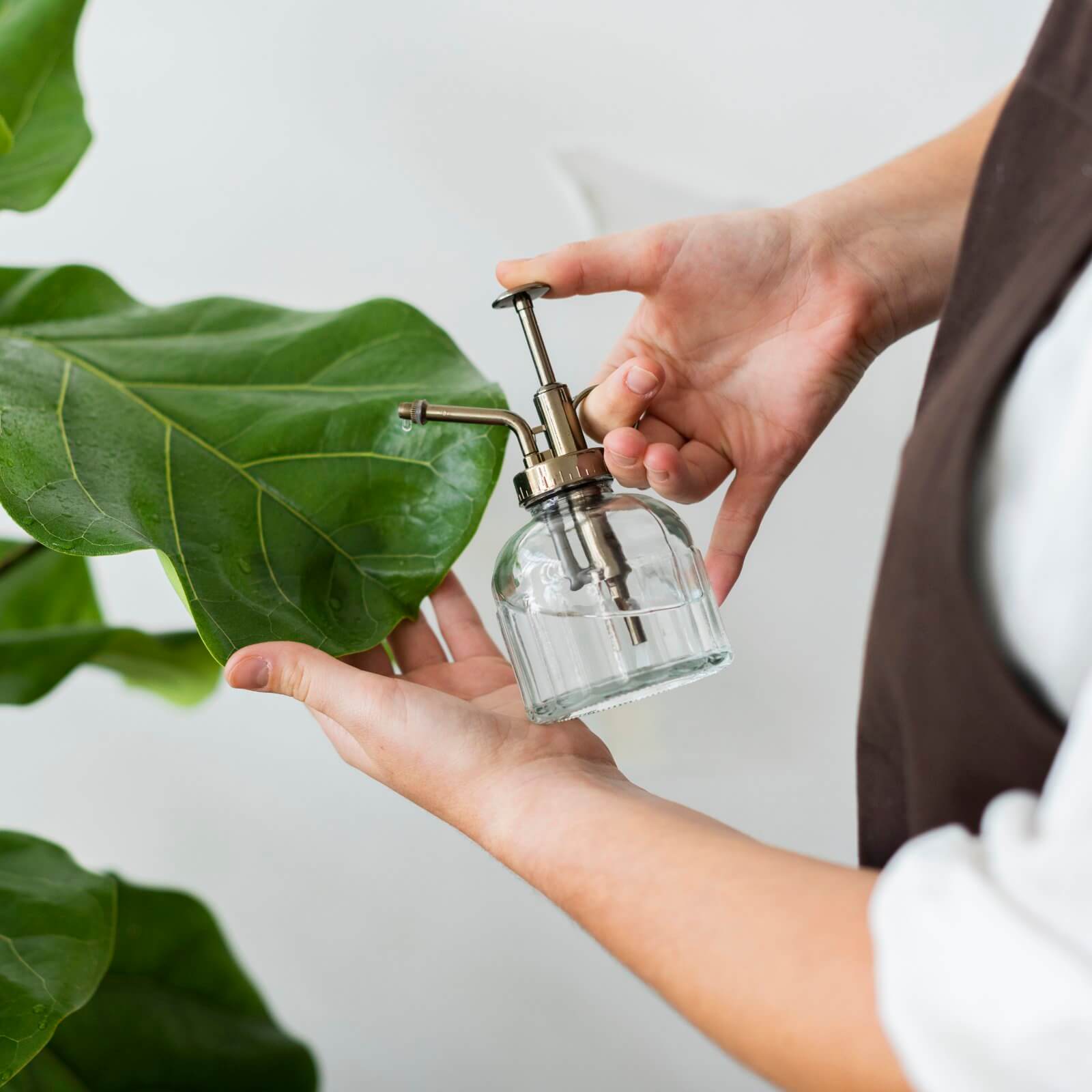
Step 4: Keep Leaves Clean and Inspect for Pests Household dust acts like a curtain, blocking sunlight and hindering your plant's ability to "breathe." Gently wipe broad leaves with a damp microfiber cloth once a month. While you are cleaning, inspect the stems and undersides of leaves for tiny pests. If you spot sticky residue, fine webbing, or strange spots and are unsure what is wrong with your plant, you can use the AI-powered plant disease scanner in the Plantiary app to get a diagnosis and safe treatment plan in seconds.
Step 5: Feed During the Growing Season Houseplants eventually deplete the nutrients in their potting mix. Apply a balanced, water-soluble indoor plant fertilizer once a month during their active growing seasons (spring and summer) to encourage lush, vibrant growth.
Remember, plant care is a practice, not a perfection. Don't be discouraged if a plant drops an older leaf or takes a little time to adjust to your home. By providing the right light, thoughtful watering, and a little botanical empathy, you will become a confident and successful plant parent in no time. Happy growing!