Info
Often invisible to the naked eye until it forms a fuzzy colony, Aspergillus is the silent roommate found in almost every environment on Earth. From the "Koji" mold used to brew traditional Japanese sake to the common fuzzy patch on a forgotten piece of fruit, this genus is a powerhouse of decomposition and fermentation. While some species are culinary heroes, others are opportunistic invaders of our homes and health.
🔍 How to Identify
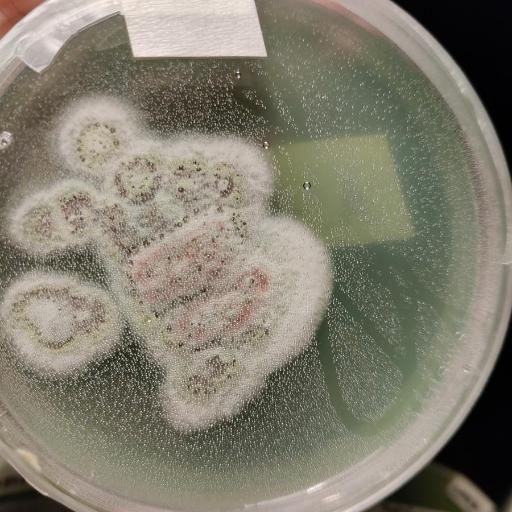
- 🎨 Color Palette: While most people recognize the dark "Black Mold" (Aspergillus niger), this genus can appear in vibrant shades of lime green, yellowish-gold, or even snowy white depending on the species and the surface it is growing on.
- ☁️ Texture: It usually presents as a velvety, fuzzy, or powdery patch. Unlike some "slimy" molds, Aspergillus looks like a microscopic forest of tiny stalks when viewed closely.
- 🌬️ Spore Clouds: When disturbed, mature colonies release a fine, dust-like powder of spores into the air. This "dust" is how the fungus travels to find new places to grow.
🌲 Habitat & Ecology
- 🏠 The Ultimate Opportunist: Aspergillus loves high-carbon environments. In nature, it lives in soil and decaying leaves, but in our homes, it thrives on starchy foods, damp drywall, and even leather or old books.
- 🌡️ Temperature Resilience: These fungi are survivors; some species are "thermophilic," meaning they can thrive in the heat of a compost pile or even inside heating and cooling systems where other molds would perish.
⚠️ Safety & Toxicity
- 🚨 WARNING: While Aspergillus is everywhere, inhaling high concentrations of spores can be dangerous. Certain species can cause "Aspergillosis," a serious respiratory condition, particularly in individuals with weakened immune systems or pre-existing lung issues.
- 🐶 Pet Safety: Never allow pets to eat moldy food. Certain species produce "mycotoxins" (like Aflatoxin) that are highly toxic to dogs and cats, potentially leading to liver damage or tremors.
- 🧤 Handling: If you find a large patch of mold in your home, avoid sniffing it. Wear a mask and gloves during cleanup to prevent irritation or allergic reactions.
✨ Fun Fact
The genus was named in 1729 by Pier Antonio Micheli, a priest and biologist. He thought the fungal stalks looked exactly like an aspergillum—the holy water sprinkler used in church ceremonies—and the name has stuck for nearly 300 years!
More Details







