Info
Often called the "Hidden Hitchhiker" or the architect of Anthracnose, Colletotrichum isn't your typical forest toadstool. Instead of a cap and stem, this fungus manifests as a silent traveler on your garden plants, waiting for the perfect moment of ripeness to make its move. It is one of the most significant plant pathogens worldwide, famous for turning vibrant harvests into bruised, sunken landscapes overnight.
🔍 How to Identify
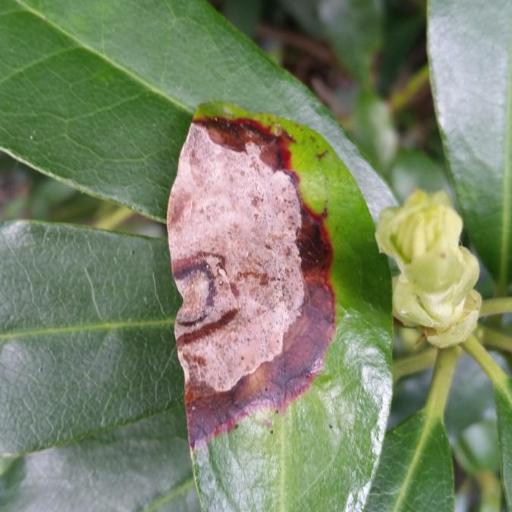
- 🕳️ Sunken Lesions: Look for circular, dark, water-soaked spots on leaves, stems, or fruit. As the fungus matures, these spots dip inward like a small, necrotic crater.
- 🌸 Salmon Spore Masses: In warm, humid weather, the centers of these lesions may ooze a sticky, salmon-colored or bright orange "slime." This is actually a concentrated mass of millions of fungal spores.
- 🖤 Black Setae: If you look closely with a magnifying glass, you may see tiny, black, hair-like bristles poking out from the infected tissue, resembling a microscopic pincushion.
🌲 Habitat & Ecology
- 🌦️ The Moisture Lover: This fungus thrives in "splash zones." It spreads primarily through rain or overhead irrigation, where a single droplet can catapult spores from an infected leaf to a healthy neighbor.
- 🍎 The Ripening Specialist: It is incredibly versatile, affecting everything from backyard tomatoes and strawberries to tropical mangoes and oak trees. It often enters the fruit while it is still green and "hides" inside the tissue, only showing symptoms once the fruit sugars up and becomes soft.
⚠️ Safety & Toxicity
- ⚠️ WARNING: Colletotrichum is a plant pathogen, not an edible mushroom. While it doesn't produce "death cap" style toxins, it is not considered safe for consumption.
- 🤢 Food Safety: It is strongly advised to discard fruits or vegetables showing signs of Anthracnose. While the fungus itself isn't usually "poisonous" to humans, the rotting tissue often attracts secondary molds or bacteria that can cause digestive distress.
- 🐾 Garden Safety: It is harmless to pets and humans upon skin contact, though gardeners should wash their tools to avoid spreading the "infection" to other healthy plants.
✨ Fun Fact
- ✨ The Patient Predator: Colletotrichum species are masters of "quiescence." They can infect a rock-hard, green fruit and then go into a biological "sleep" mode, remaining completely invisible for weeks. They only "wake up" and begin the rotting process once the fruit produces ethylene gas during ripening.
More Details







