Info
Known as the Scaly Oysterling, this delicate fungus looks like a tiny, feathered fan clinging to decaying logs. Often overlooked due to its small size, it plays a vital role in recycling old wood back into the forest floor. While it lacks the fame of its larger "Oyster" cousins, its intricate, freckled appearance makes it a hidden gem for forest foragers and photographers alike.
🔍 How to Identify
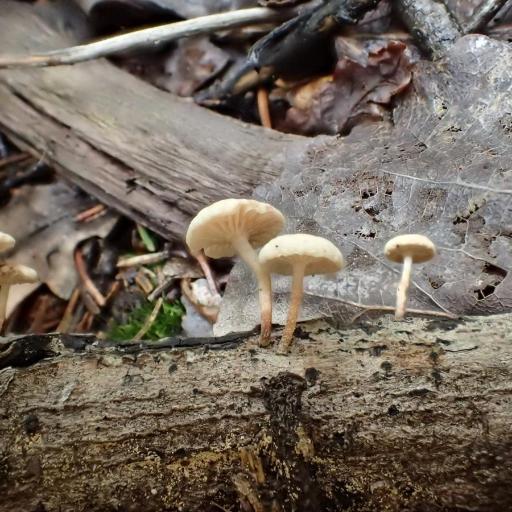
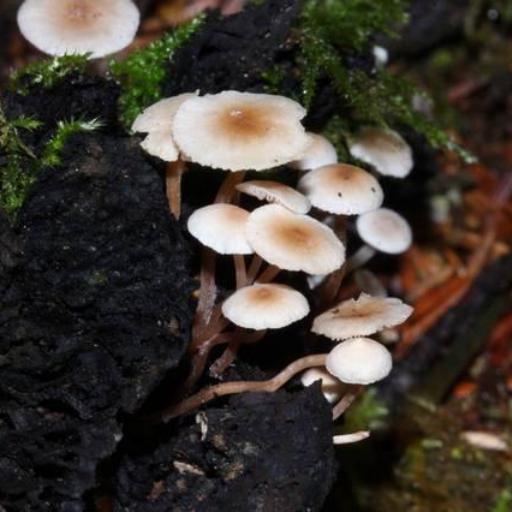
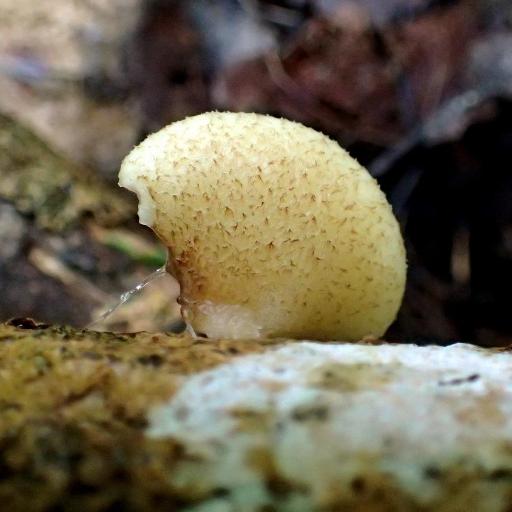
- 🍄 The Cap: Fan-shaped or kidney-shaped, usually 1–5 cm wide. It is covered in tiny, flattened brownish scales that give it a "scruffy" or "freckled" look against its pale, creamy background.
- 🍂 The Gills: Radiating from the point of attachment, these gills start out whitish but turn a muddy cinnamon-brown as the spores mature.
- 🪵 The Stem: This mushroom is "sessile," meaning it lacks a true stem and attaches itself directly to the wood like a tiny, horizontal shelf.
🌲 Habitat & Ecology
- 🌳 Woodland Recycler: You’ll find these primarily on the dead wood of deciduous trees, especially hardwoods like Aspen, Poplar, or Willow. They are essential decomposers that break down lignin.
- 💧 Weather Response: They have very thin flesh. After a heavy rain, the cap can appear somewhat translucent or "water-soaked," which makes the dark scales stand out even more prominently.
⚠️ Safety & Toxicity
- 🚨 WARNING: Crepidotus calolepis is strictly considered inedible.
- 🤢 The Risk: While not famously deadly, many members of the Crepidotus genus contain unknown compounds, and some species are suspected of being toxic. Because it belongs to the category of "Little Brown Mushrooms" (LBMs), which includes several lethal species, it should never be tasted.
- 🐾 Pets: Keep curious dogs away from decaying logs where these grow, as ingestion could lead to gastric distress.
✨ Fun Fact
🔬 The species name calolepis comes from the Greek words kalos (beautiful) and lepis (scale). It literally translates to "Beautifully Scaled," a fitting tribute to the elegant, mosaic-like pattern on its cap.
More Details