Info
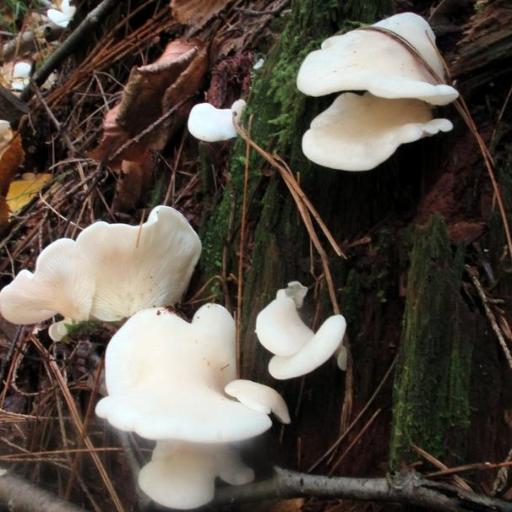
Often called "Angel Wings" for its ethereal, snowy-white appearance, Pleurocybella porrigens looks like delicate scraps of lace pinned to the sides of decaying logs. For decades, it was a popular edible in Japan and North America, but a tragic series of medical mysteries in the early 2000s changed its reputation forever. Now, it stands as a hauntingly beautiful reminder that nature's "safe" list can change in an instant.
🔍 How to Identify
- ⚪ The Cap: Pure white to ivory, shaped like a fan, funnel, or ear. The flesh is notably thin and fragile compared to other wood-growing mushrooms.
- 📜 The Gills: Very thin, white, and crowded. They radiate outward from the point where the mushroom is attached to the wood.
- 🚫 The Stem: This mushroom is "sessile," meaning it has no true stem. It attaches directly to its substrate, appearing to grow straight out of the bark.
🌲 Habitat & Ecology
- 🌲 The Conifer Connection: Unlike its lookalike, the Oyster Mushroom (which prefers leafy hardwoods), Angel Wings almost exclusively grow on the decaying wood of conifers, particularly hemlock, fir, and spruce.
- 🍂 Seasonal Ghost: These mushrooms are most commonly found in the cool, damp months of late summer and autumn, often appearing in large, overlapping clusters that can cover a single log.
⚠️ Safety & Toxicity
- 🚨 WARNING: Do NOT consume. While historically considered edible, Pleurocybella porrigens was linked to a deadly outbreak of encephalopathy (brain inflammation) in Japan.
- 🧠 The Risk: The toxins are believed to affect the central nervous system, particularly in individuals with pre-existing kidney issues. Because the exact mechanism of its toxicity is still being studied, all mycological authorities now list it as a species to be strictly avoided.
- 🐾 Pets & Children: Keep pets and children away from these mushrooms; while not every person reacts the same way, the potential for permanent neurological damage or death is high.
✨ Fun Fact
For a long time, the main way foragers told "Angel Wings" apart from the common "Oyster Mushroom" was by the tree they grew on—if it was on a pine or hemlock, they knew it was the "Angel," whereas Oysters preferred oaks and maples. These days, that distinction is used to know which mushroom to walk away from!
More Details