Info
Known to the indigenous Zapotec people of Oaxaca as Binnigulaza, this mushroom is famously nicknamed "Derrumbe," which translates to "Landslide." It earned this name because of its peculiar habit of sprouting in the wake of shifting earth. Deeply rooted in Mesoamerican history, it has been used for centuries in sacred shamanic rituals to facilitate spiritual "vision quests."
🔍 How to Identify
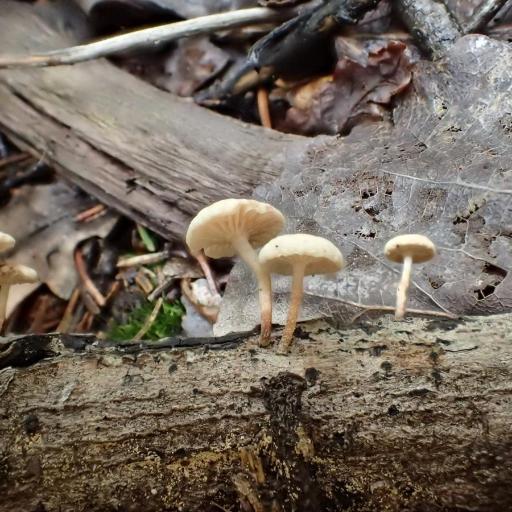
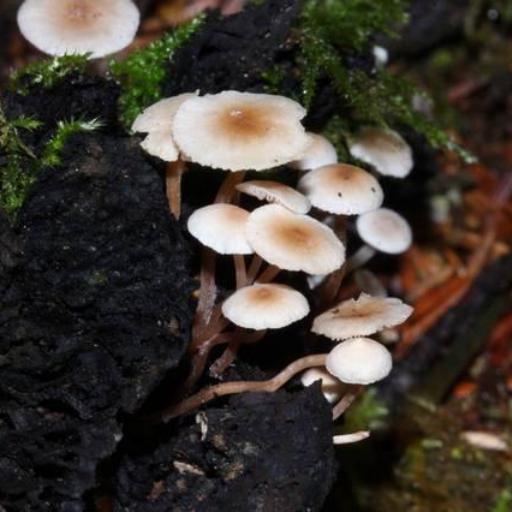
- 🍄 The Cap: The cap is typically conical or bell-shaped, often featuring a distinct "nipple" (umbo) at the center. Its color is hygrophanous, meaning it changes with moisture—ranging from a deep honey-brown when wet to a pale yellowish-tan when dry.
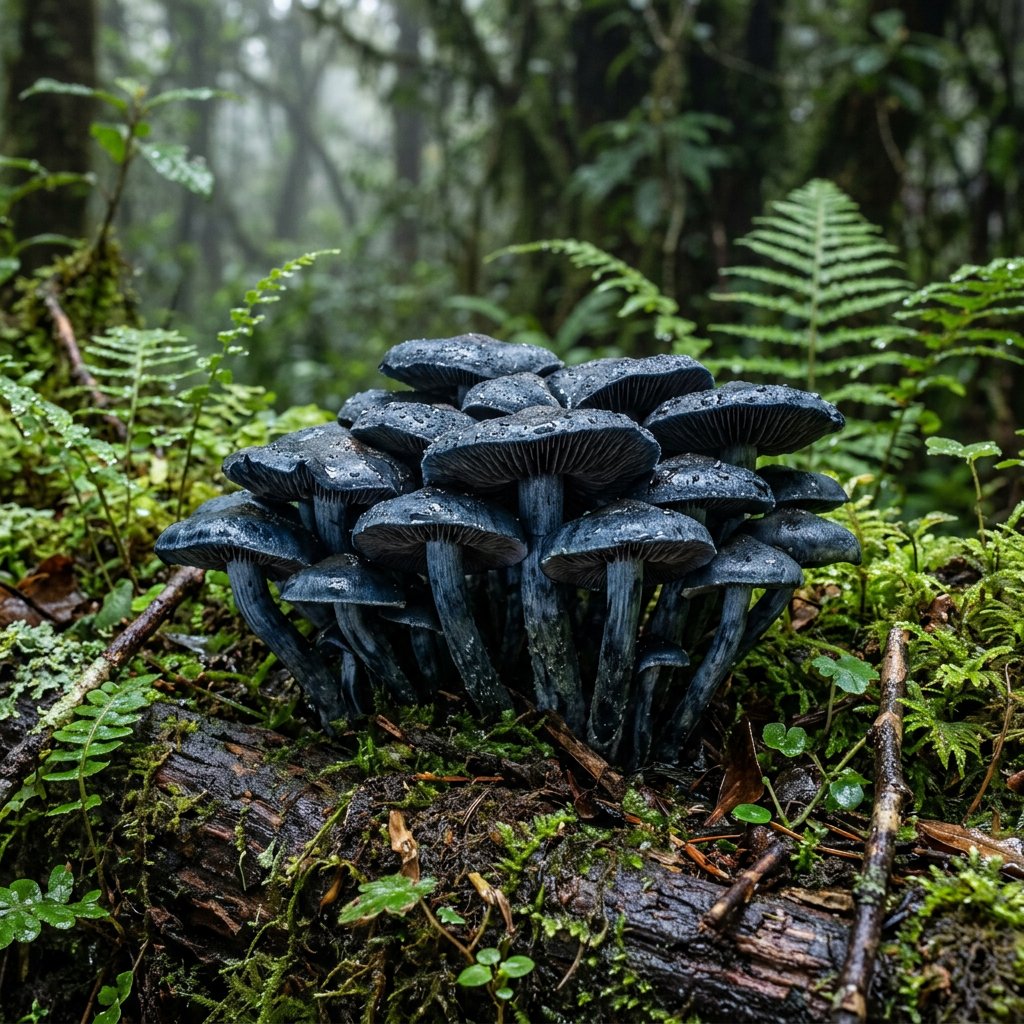
- 🧬 The Bluing Reaction: Like many of its relatives, this mushroom is "bruising." If you touch or damage the stem or cap, the flesh will slowly transform into a vivid azure blue or blackish-blue, signaling the presence of active compounds.
- 🪵 The Stipe (Stem): It possesses a remarkably long, hollow, and fibrous stem. The surface is often covered in fine, white scales or "fuzz," especially toward the base, which may be buried deep in the mud.
🌲 Habitat & Ecology
- ⛰️ Disturbed Earth: True to its nickname, this mushroom thrives in disturbed soils. You are most likely to find it on steep mountain slopes, along riverbanks, or in the debris left behind by landslides in subtropical regions.
- ☕ Coffee Plantations: It has a fondness for the humid, nitrogen-rich soils of high-altitude coffee plantations. It prefers very muddy, swampy ground where moss and leafy debris provide a constant source of moisture.
⚠️ Safety & Toxicity
- 🚫 WARNING: Psilocybe zapotecorum is a potent hallucinogenic mushroom containing high levels of psilocybin and psilocin. It is not a culinary mushroom and should never be consumed for food.
- ⚖️ Legal Status: In many countries, the possession or cultivation of this species is strictly prohibited by law.
- 🎭 Deadly Lookalikes: This mushroom can be easily confused with toxic "Little Brown Mushrooms" (LBMs), such as those in the Galerina genus, which contain deadly amatoxins. Consumption of a lookalike can lead to permanent organ failure or death.
✨ Fun Fact
The first Western records of this mushroom were brought to light in the 1950s by R. Gordon Wasson. He documented how the Zapotec people believed the mushrooms were "messengers" that could only be harvested by those with a clean heart and a focused mind.
More Details
| Hymenium Type | Lamella |
| Stipe Character | Bare Stipe |
| Spore Print Color | Purple-Brown |
| Mushroom Cap Shape | Conical Mushroom Cap |
| Hymenium Attachment | Adnate Hymenium Attachment |
| Mushroom Ecological Type | Saprobiont |