Info
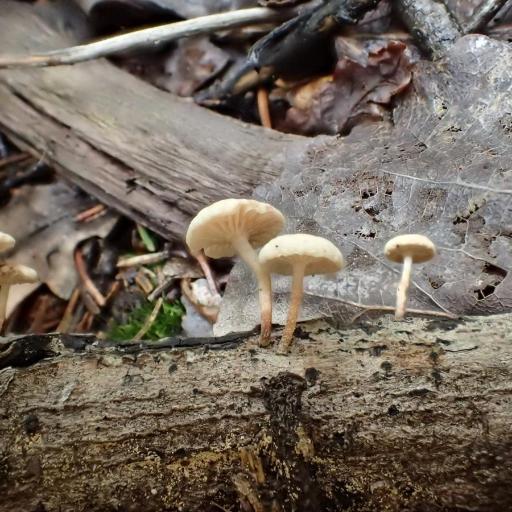
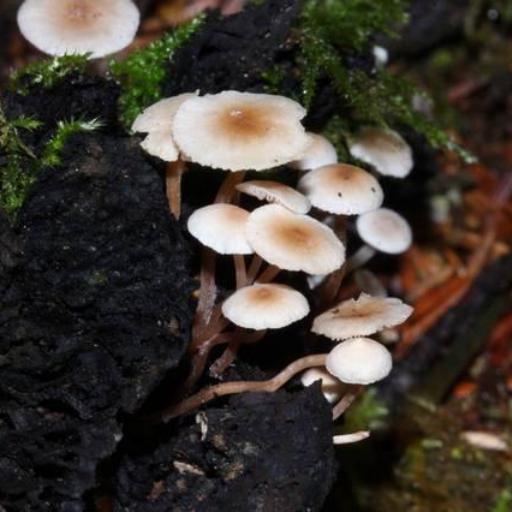
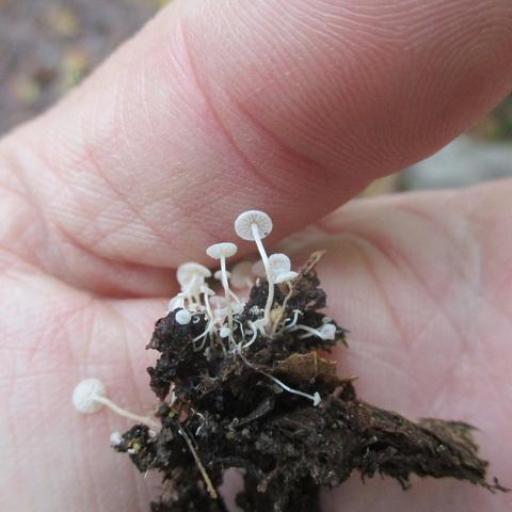
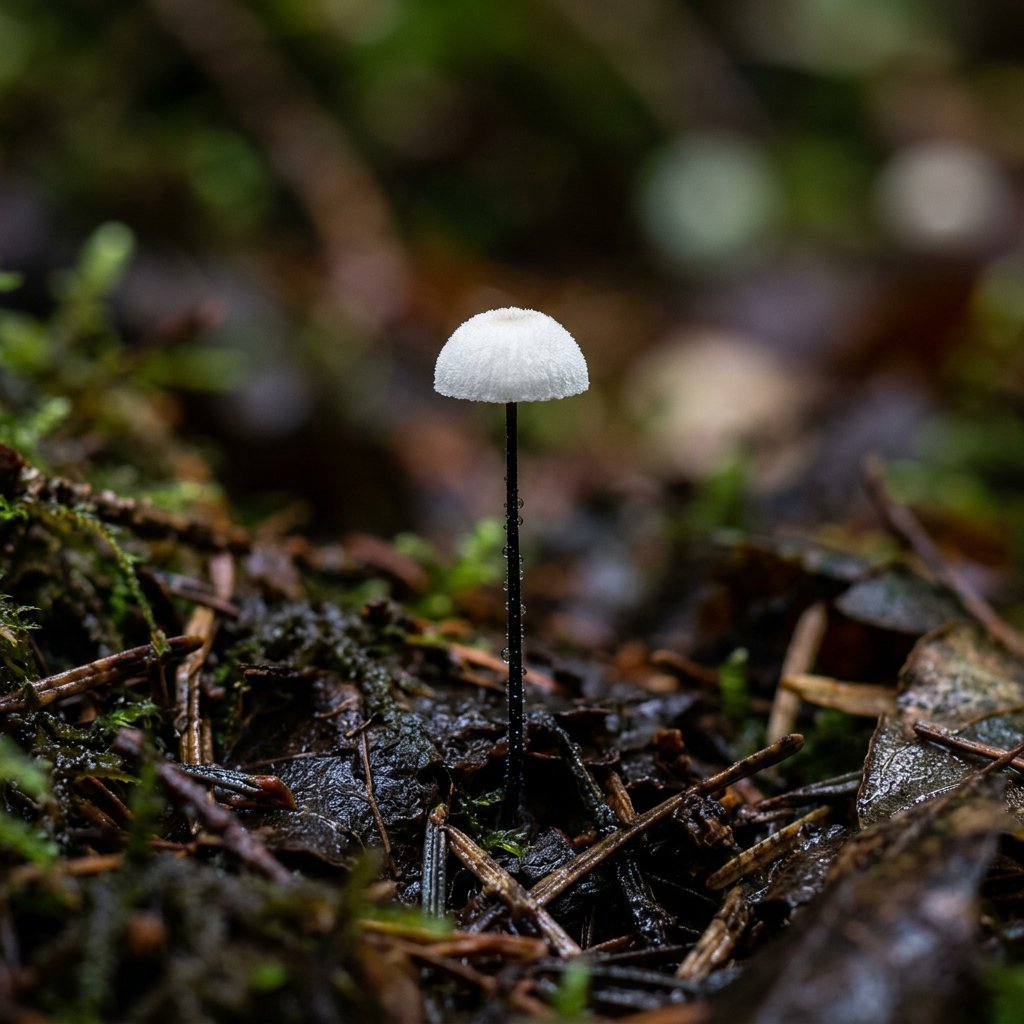
The Tetrapyrgos nigripes, commonly known as the Black-footed Mushroom, is a delicate, ghostly inhabitant of the forest floor. Often mistaken for a tiny discarded umbrella, this fungus looks as though it stepped out of a Victorian fairy tale. While it may look fragile, it plays a vital role in the ecosystem as a master recycler of forest debris.
🔍 How to Identify
- ⚪ The Cap: A small, snowy white to pale grey cap that is often convex or flattened, sometimes with a tiny dimple in the center.
- 🖤 The Stem: Its most striking feature; the stem is thin, wiry, and tough, starting white at the top and fading into a deep, velvety charcoal black toward the base.
- 🥢 The Gills: The underside features white, relatively thick gills that are widely spaced and attached to the stem, creating a clean, geometric look.
🌲 Habitat & Ecology
- 🍂 The Debris Specialist: You won’t usually find these in open grass; they prefer to grow directly out of fallen hardwood twigs, decaying leaves, and woody forest litter.
- 🌳 Hardwood Companion: They are most common in deciduous forests, particularly where oak and maple trees drop plenty of organic material for them to decompose.
⚠️ Safety & Toxicity
- 🚫 Status: WARNING: INEDIBLE. While not famously "deadly" like some of its cousins, it is far too small and tough to be of any culinary interest.
- 🍄 LBM Risk: It falls into the category of "Little Brown/White Mushrooms" (LBMs), many of which are look-alikes for highly toxic species. Never ingest wild mushrooms found in the woods.
- 🐾 Pet Safety: While unlikely to attract dogs due to its lack of scent, keep pets away from forest floor debris where these grow to avoid accidental ingestion of toxic mimics.
✨ Fun Fact
The name Tetrapyrgos translates from Greek to mean "four towers." This refers to the unique, microscopic shape of its spores, which feature four distinct projections—a detail invisible to the naked eye but a marvel under the microscope!
More Details