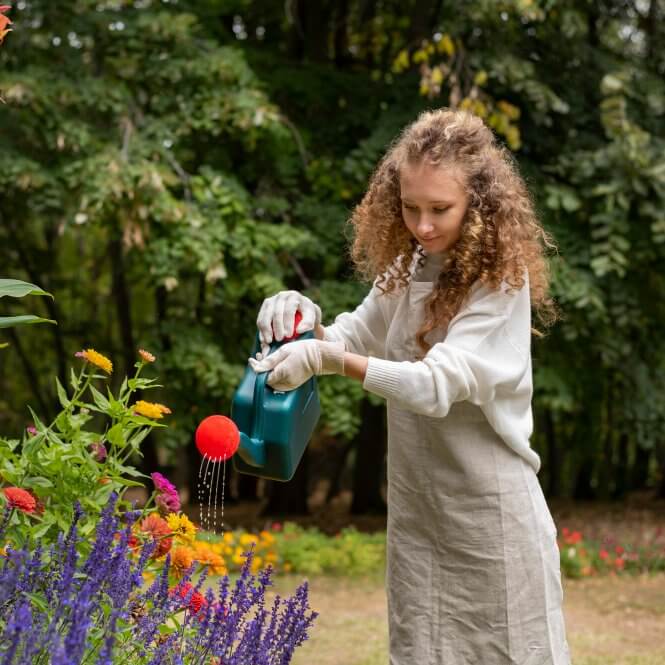
Summer is just around the corner, bringing sunshine, backyard barbecues, and glorious blooms. But as the temperatures begin to climb, our leafy companions can quickly start feeling the heat. If you've ever watched your vibrant garden turn into a crispy, wilted landscape by mid-July, please know you are not alone! The transition into summer is one of the most challenging periods for any plant parent. Luckily, getting your garden summer-ready doesn't have to be stressful. With a little preparation and the help of your trusty Plantiary app, you can create a resilient, thriving outdoor sanctuary that laughs in the face of heatwaves.
The Problem: Signs Your Garden is Feeling the Heat
Before we dive into the prep work, it helps to know what an unprepared garden looks like when summer hits. If plants aren't ready for the rising temperatures, you might notice these common symptoms:
- Wilting and drooping: Leaves look limp and lifeless, especially during the peak heat of the afternoon.
- Sunscald: Essentially a sunburn for plants, this appears as bleached, white, or crispy brown patches on the foliage where the sun's rays hit too directly.
- Stunted growth: Plants temporarily stop pushing out new leaves or flowers to conserve their energy.
- Sudden pest explosions: Sticky leaves, fine webbing, or visible bugs taking over weakened plants.
The Causes: Why Summer Stresses Your Plants
Why do our gardens struggle so much when the sun comes out? It boils down to a few major environmental shifts:
- Increased Transpiration: This is the plant version of sweating. As temperatures rise, plants lose water through their leaves much faster than they can absorb it from the soil.
- Soil Evaporation: Intense summer heat bakes the ground, evaporating crucial moisture from the topsoil before the roots even get a chance to drink it up.
- Ideal Pest Breeding Grounds: Warm, dry conditions are an absolute paradise for pests like spider mites and aphids, which thrive and reproduce rapidly when the air lacks humidity.
The Solutions: Step-by-Step Summer Preparation
Don’t worry if the summer sun feels intimidating! By taking a few scientifically proven, proactive steps right now, you can protect your green babies from the harshest elements.
Step 1: Master Your Watering Strategy Shallow, frequent watering encourages shallow roots, making plants highly vulnerable to drought. Instead, practice deep watering. Soak the soil thoroughly at the base of your plants a few times a week, ideally in the early morning. This encourages roots to grow deeper into the earth, where the soil stays cooler and retains moisture longer. Pro tip: Set up custom watering reminders in the Plantiary app so you never miss a morning hydration session!
Step 2: Apply a Thick Layer of Mulch Mulch is your garden’s summer superpower. Apply a 2-to-3-inch layer of organic mulch (like shredded bark, straw, or compost) around the base of your plants. Mulching acts as a protective blanket, significantly reducing soil evaporation, keeping the root zone cool, and preventing aggressive summer weeds from stealing your plants' water.
Step 3: Provide Shade for Sensitive Foliage Not all plants are sun-worshippers. If you have delicate plants like ferns, hostas, or newly planted seedlings, they might suffer from sunscald under the harsh afternoon sun. Set up a breathable shade cloth or strategically place taller, heat-loving potted plants nearby to provide a protective, cooling canopy during the hottest part of the day.
Step 4: Prune and Clean Up Take a pair of clean, sharp shears and remove any dead, dying, or diseased leaves from your plants. This process, known as sanitation, improves air circulation around the stems and leaves, heavily reducing the risk of fungal infections. It also ensures your plant isn't wasting precious energy trying to keep dying foliage alive.
Step 5: Implement Proactive Pest Control Healthy plants are naturally more resistant to pests, but summer bugs can be persistent. Keep a close eye on the undersides of leaves. If you spot an infestation, treat the area gently with a scientifically proven method, such as spraying insecticidal soap or horticultural neem oil in the early evening (never apply oils in direct sunlight, which can fry the leaves). If you are unsure what exactly is wrong with your plant, you can use the AI-powered plant disease scanner in the Plantiary app to get an accurate diagnosis and treatment plan in seconds.
Preparing your garden for summer is all about setting a strong foundation. Even if a few leaves get crispy or a plant wilts along the way, give yourself some grace—gardening is a continuous learning journey. By adjusting your watering habits, insulating your soil, and keeping a watchful eye, you are setting your garden up for a season of spectacular, sun-kissed success. Happy planting!