We’ve all had those days where the walls feel like they’re closing in. Between glowing screens, demanding schedules, and spending the vast majority of our time inside, it’s completely normal to feel drained, anxious, or a little disconnected from yourself. If you have ever felt a sudden wave of calm wash over you while walking through a park or stepping into a lush greenhouse, you aren't imagining it. There is real science behind the joy of nature. Bringing indoor greenery into your home isn't just an aesthetic design choice; it is one of the easiest, most rewarding ways to improve your mental well-being and create a personal sanctuary.
Let's dive into how you can use houseplants to lift your spirits, and how to do it completely stress-free.
The Problem: Symptoms of the "Nature Deficit"
In our modern world, we often experience what psychologists refer to as a "nature deficit." When we are separated from the natural world for too long, our minds and bodies react. You might recognize a few of these common symptoms:
- Mental fatigue and brain fog: Staring at screens all day exhausts our directed attention, making it hard to focus.
- Elevated stress levels: Stark, artificial environments can subconsciously keep our nervous systems on high alert.
- Feeling stuck or uninspired: A lack of living, growing things in our daily view can make our spaces feel stagnant.
The Causes: Why Plants Are Natural Mood Boosters
Why exactly does adding a fern to your desk or a trailing vine to your bookshelf make such a massive difference in how you feel? The answer lies in our biology.
- The Biophilia Hypothesis: This is a scientific concept suggesting that humans possess an innate, genetic desire to connect with nature. Simply looking at the color green and the organic shapes of leaves lowers our heart rate and blood pressure.
- Improved Air Quality and Humidity: Plants naturally undergo transpiration—a process where they absorb water through their roots and release it as microscopic water vapor through their leaves. This naturally boosts indoor humidity, making the air feel fresher and easier to breathe.
- The Psychology of Nurturing: Watching a new leaf unfurl because of your care releases a beautiful hit of dopamine (the "feel-good" hormone). It gives us a gentle sense of purpose and routine.
The Solutions: Step-by-Step Guide to Building Your Happy Space
If you are ready to invite some mood-boosting greenery into your life, the key is to set yourself up for success. Plant care should never be a source of anxiety! Here is your step-by-step treatment for transforming your space:
Step 1: Start with forgiving, low-stress companions If you are a beginner, do not start with a fussy, high-maintenance plant. Choose resilient beauties like a Pothos, a ZZ Plant, or a Snake Plant. These plants are incredibly forgiving of missed waterings and adapt well to a variety of indoor environments.
Step 2: Position for purpose and light Place your plants where you will look at them the most—on your bedside table, next to your computer monitor, or on the kitchen counter. Ensure they are getting the right light. A good rule of thumb is to keep them near a window where they cast a soft, blurred shadow (bright, indirect light).
Step 3: Establish a mindful care routine Turn plant care into a meditative practice rather than a chore. Take five minutes every weekend to check the soil with your fingers, wipe dust off the leaves, and observe any new growth. To keep this routine entirely stress-free, let technology remember the schedule for you. You can set up custom watering and fertilizing reminders in the Plantiary app so you never have to second-guess when your green friends are thirsty.
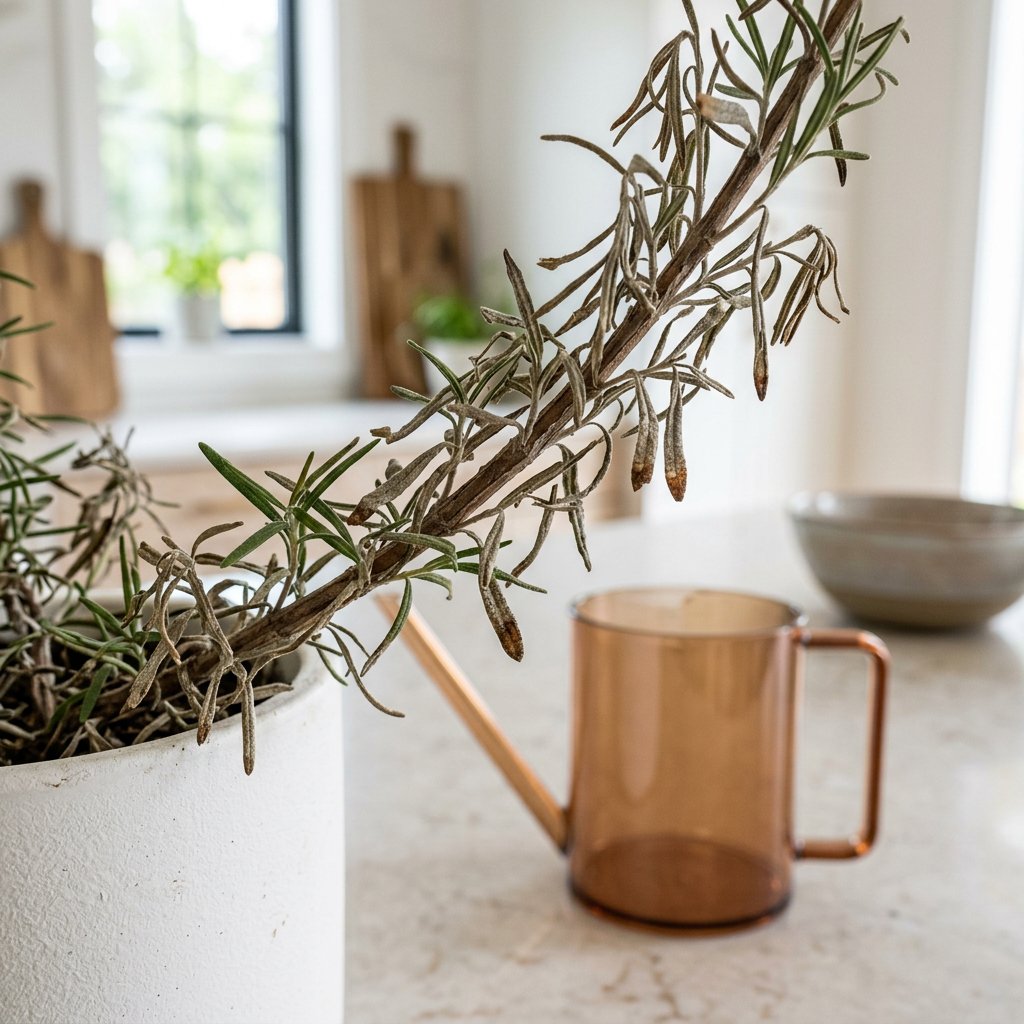
Step 4: Troubleshoot with compassion Sometimes, despite our best efforts, a plant struggles. You might notice chlorosis (a botanical term for the yellowing of leaves caused by a lack of chlorophyll) or drooping stems. Please do not feel guilty or hard on yourself if this happens! Every single expert plant parent has lost plants; it is simply how we learn. If you are unsure what is wrong with your plant, you can use the AI-powered plant disease scanner in the Plantiary app to snap a photo and get a diagnosis and safe treatment plan in seconds.
Embracing indoor greenery is a beautiful journey of growth—both for your plants and for your mood. Bring a little piece of nature inside, take a deep breath, and enjoy the calming magic of your new indoor jungle!