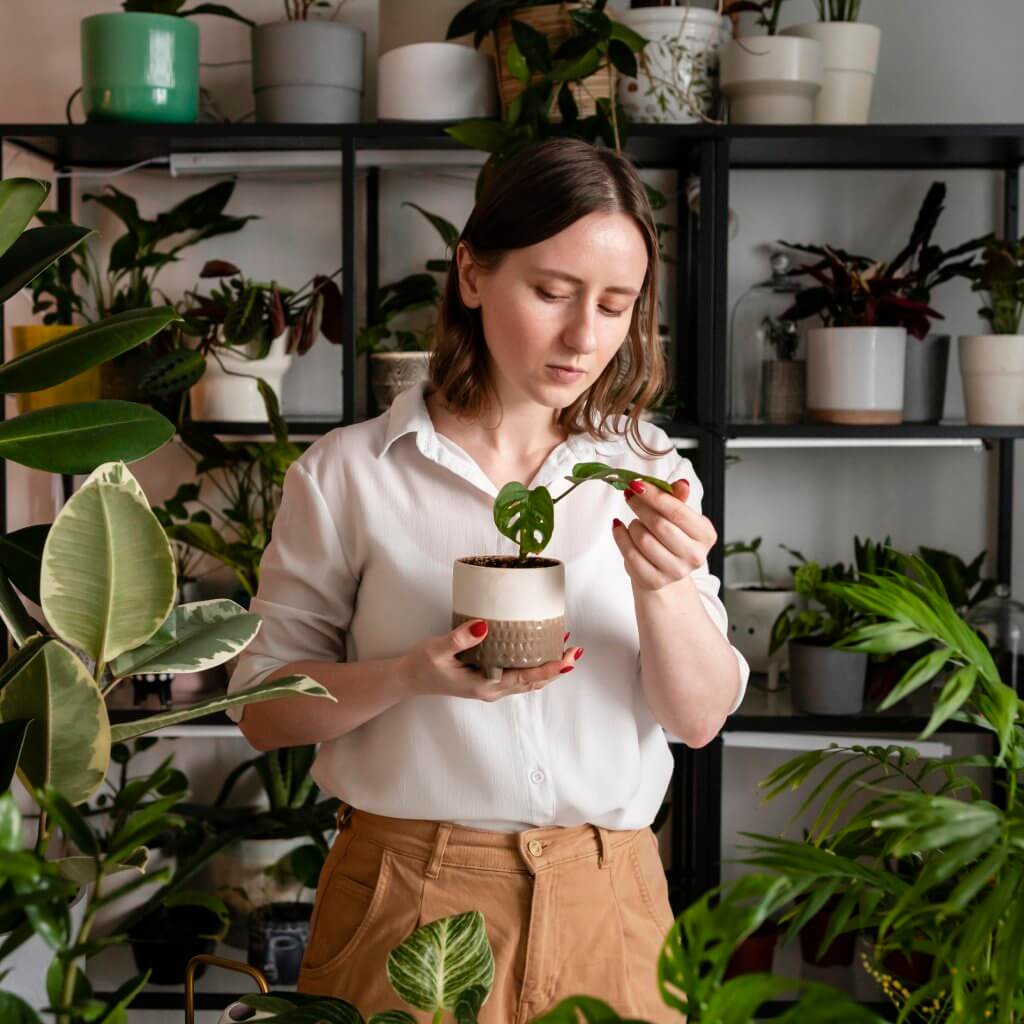
We’ve all been there: you walk into a nursery, lock eyes with a stunning, vibrant houseplant, and immediately envision how perfect it will look on your coffee table. But a few weeks later, that once-thriving beauty starts to look sad, droopy, or worse. If you have ever felt guilty about losing a plant shortly after bringing it home, take a deep breath and let that guilt go! It happens to absolutely every plant parent, from beginners to seasoned botanists.
More often than not, the issue isn't a lack of love or a "black thumb"—it is simply a mismatch between the plant’s natural needs and your home’s environment. Choosing the right plant is the secret to cultivating a thriving indoor jungle.
The Problem: Symptoms of a Mismatched Plant
When a plant is placed in an environment that doesn't mimic its natural habitat, it will quickly show signs of stress. Here is what to look out for when a plant is struggling to adapt to your home:
- Chlorosis: This is the scientific term for the yellowing of leaves. It happens when a plant stops producing chlorophyll (its essential green pigment) due to environmental stress, lack of nutrients, or insufficient sunlight.
- Etiolation: If your plant suddenly looks stretched out, leggy, or has abnormally wide gaps between its new leaves, it is experiencing etiolation. This is the plant's desperate, physical attempt to stretch toward a light source because its current spot is too dim.
- Crispy, browning edges: This is often a symptom of severely low humidity, a common struggle for delicate tropical plants trying to survive in dry, heavily air-conditioned or heated rooms.
The Causes: Why Do New Plants Fail?
Houseplants are wonderfully adaptable creatures, but they still have baseline biological needs. The root causes of an early plant decline usually come down to a few very common oversights:
- Buying on aesthetics alone: Selecting a plant purely because its colors match your interior decor, rather than checking if it actually belongs in your home's specific climate.
- Misunderstanding sunlight: Believing that a brightly lit room is enough, even if the plant is placed 15 feet away from the nearest window. Light energy drops significantly with every foot you move away from the glass!
- Ignoring lifestyle factors: Bringing home a high-maintenance, moisture-loving plant when you travel frequently or have a busy schedule that makes routine watering difficult.
The Solutions: Step-by-Step Guide to Choosing the Right Plant
To set yourself—and your future leafy friends—up for success, follow this straightforward, step-by-step approach before your next plant shopping trip.
Step 1: Assess Your Home's Lighting Before buying anything, figure out what kind of light you actually have to offer. Which direction do your windows face? South-facing windows offer bright, direct light (perfect for sun-basking succulents and cacti), while North-facing windows provide gentle, lower light (ideal for Snake Plants or ZZ Plants). Pro-tip: If you aren't sure how to classify your home's lighting, you can use the light meter tool in the Plantiary mobile app to measure the exact light levels in your room before you go shopping!
Step 2: Evaluate Your Humidity Levels Most common houseplants originate from tropical rainforests, meaning they crave moisture in the air.
- If your home is naturally humid or you plan to keep the plant in a bright bathroom, moisture-lovers like Ferns and Calatheas will happily thrive.
- If your home is notoriously dry, look for thick-leaved plants like Rubber Trees, Hoyas, or trailing Pothos. Their waxy leaves make them highly forgiving of dry indoor air.
Step 3: Match the Plant to Your Schedule Be brutally honest with yourself about your watering habits.
- For the "Forgetful" Waterer: Opt for drought-tolerant plants. Succulents, ZZ plants, and Ponytail Palms store excess water in their fleshy leaves or thick trunks and actually prefer to be left completely alone.
- For the "Helicopter" Plant Parent: If you love to check on your plants daily and have a habit of overwatering, choose a plant that genuinely enjoys consistently moist soil, like a Peace Lily or a Spider Plant.
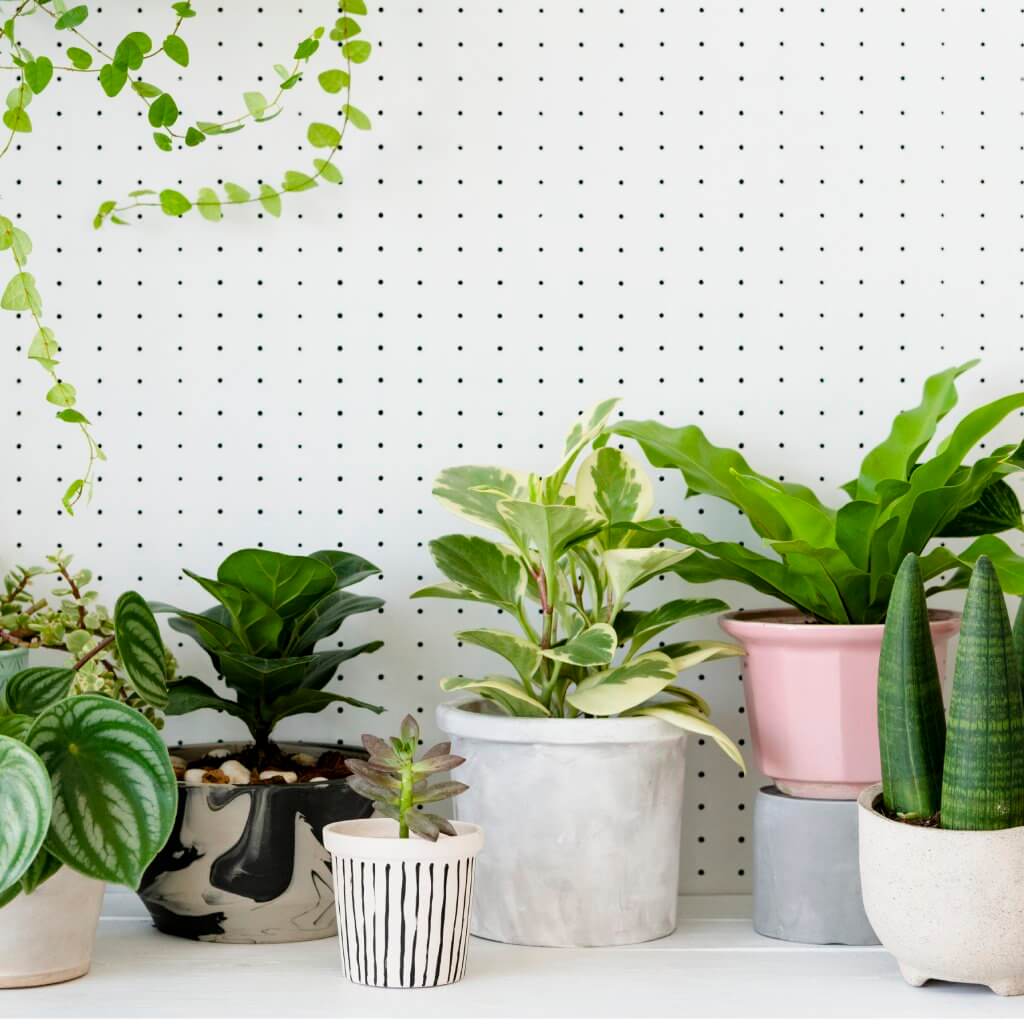
Step 4: Consider Your Furry Friends If you have curious cats or dogs that love to nibble on fresh greenery, safety must be your top priority. Always verify if a plant is pet-friendly before bringing it indoors. Avoid highly toxic plants like Lilies, Sago Palms, or Dieffenbachia. Instead, opt for completely safe, pet-friendly varieties like Peperomias, Boston Ferns, or Marantas (Prayer Plants).
Remember, every dropped leaf or failed plant is just a stepping stone to becoming a better, more observant plant parent. If you are ever at a local garden center and feel completely overwhelmed by the sheer number of choices, just open the Plantiary app! You can quickly search our extensive plant database to check a specific plant's precise care requirements, ensuring it’s the absolute perfect match for your home. Happy planting!