Have you ever looked at your favorite houseplant and wished you could magically multiply it? Well, you can! Plant propagation is the incredible process of creating new plants from an existing one. If you've never tried it before, it might feel a little intimidating, but please don't worry—every experienced plant parent started exactly where you are. It’s a fun, rewarding, and surprisingly simple way to expand your indoor jungle or share your favorite greenery with friends. Let’s dive into the basics of plant propagation and learn how to multiply your plant family with confidence!
The Magic of Plant Propagation
Propagation is essentially the act of creating a new plant from a parent plant. For most houseplants, we use vegetative propagation. This means taking a piece of the plant—like a stem, leaf, or root—and encouraging it to grow into a whole new, independent plant. The best part about this process is that the new baby plant will be an exact genetic clone of the parent!
Popular Methods to Propagate Houseplants
Different plants prefer different methods of propagation. Here are the three most common and successful ways to multiply your leafy friends:
- Stem Cuttings: This is the most popular method for vining plants like Pothos, Monsteras, and Philodendrons. It involves cutting a piece of the stem that includes the necessary growth points to form new roots.
- Division: Perfect for clustering plants that grow from the base, like Snake Plants, ZZ Plants, and Calatheas. This method involves taking the plant out of its pot and gently pulling the root system apart to separate it into multiple smaller plants.
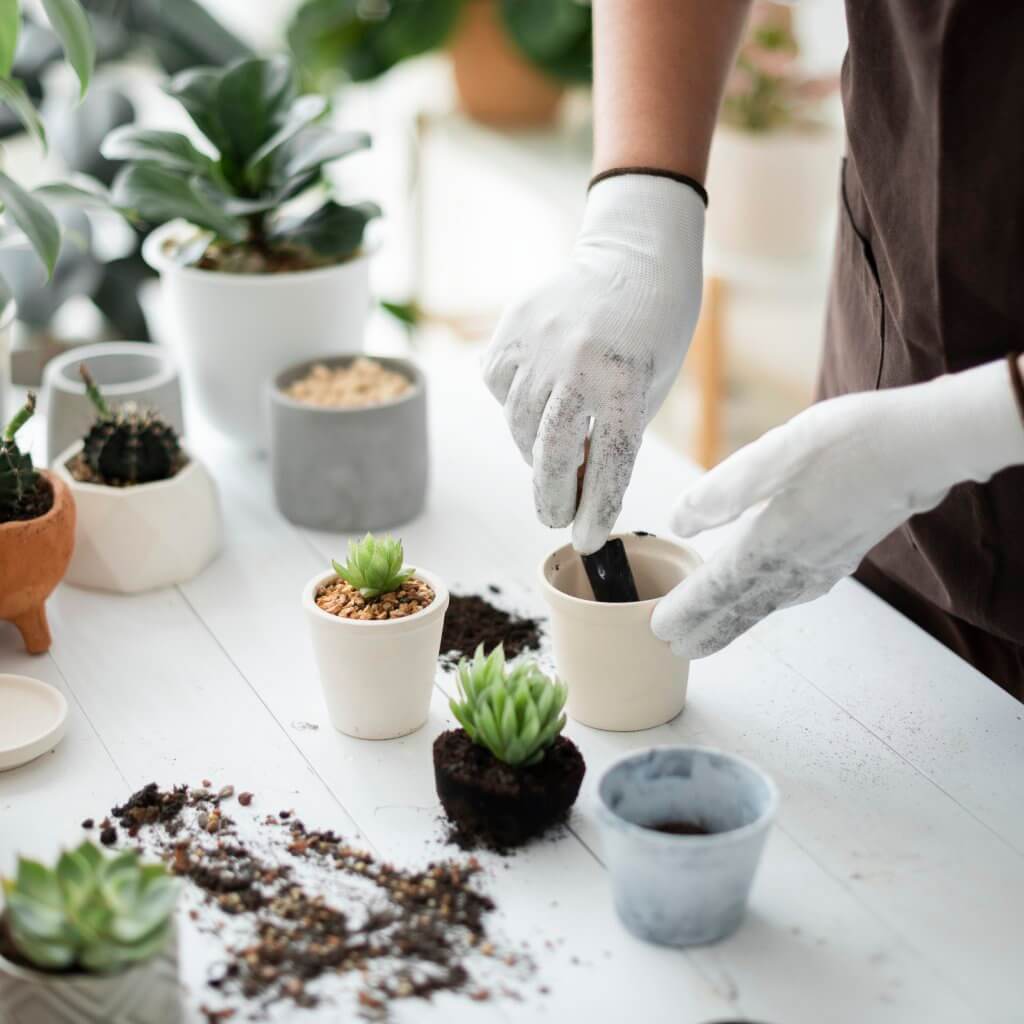
- Leaf Cuttings: Succulents, Begonias, and African Violets thrive with this method. A single healthy leaf is placed on or slightly into the soil to sprout tiny new roots and leaves.
Step-by-Step Guide: How to Propagate via Stem Cuttings
Since stem cuttings are the most common and beginner-friendly method, let's break down exactly how to do it.
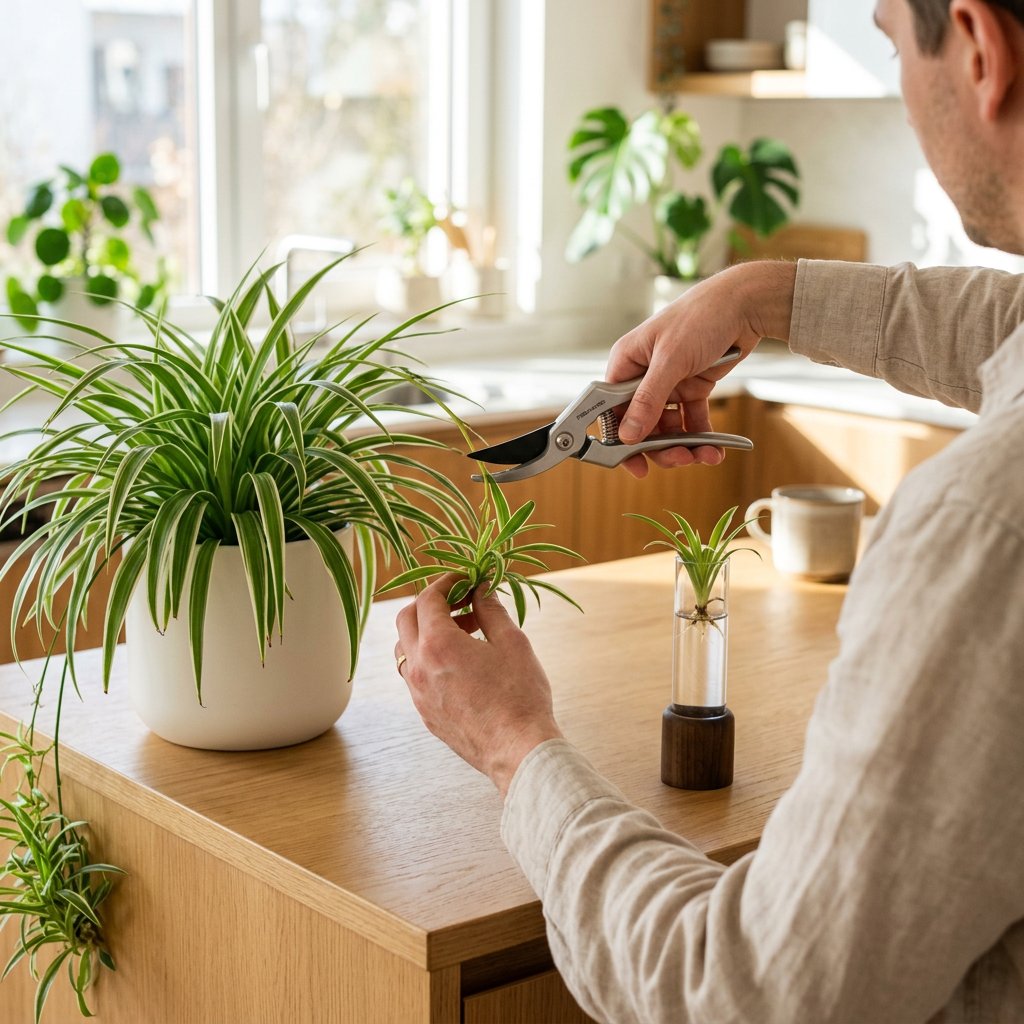
- Step 1: Locate the node. A node is the small, slightly raised bump or joint on the stem where leaves and aerial roots grow. Without a node, your cutting will never produce roots, so finding this little bump is crucial!
- Step 2: Make a clean cut. Using thoroughly sterilized scissors or pruning shears, cut the stem about 1 to 2 inches below the node. Make the cut at a 45-degree angle; this increases the surface area, making it easier for the cutting to absorb water.
- Step 3: Choose your rooting medium. You can propagate in water, soil, sphagnum moss, or perlite. Water propagation is highly recommended for beginners because you get to watch the roots grow in real-time! Simply place the cutting in a glass of room-temperature water, ensuring the node is fully submerged but all the leaves are kept completely dry.
- Step 4: Provide ideal conditions. Place your cutting in a warm spot with bright, indirect sunlight. If you are water propagating, be sure to change the water every 5 to 7 days. This replenishes the oxygen in the water, which the developing roots desperately need to thrive.
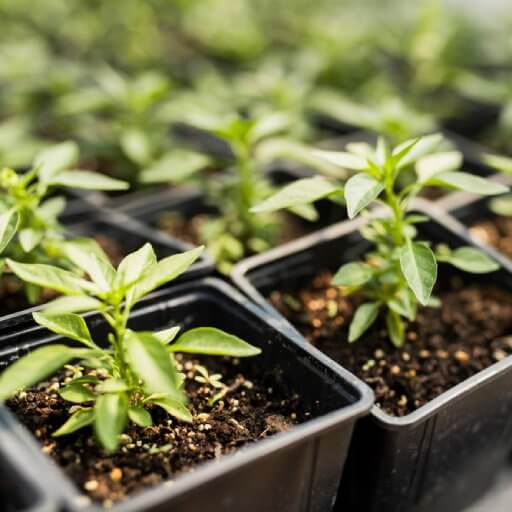
- Step 5: Transplant your cutting. Once your water roots are about 2 to 3 inches long (which usually takes 3 to 6 weeks), it's time to pot them up! Gently transfer the cutting into a well-draining potting mix. Keep the soil slightly more moist than usual for the first couple of weeks while the delicate water roots adjust to their new soil environment.
Troubleshooting Common Propagation Problems
Sometimes, despite our absolute best efforts, propagation doesn't go exactly as planned. If your cutting fails, please don't feel guilty! Mother Nature is unpredictable, and plant mishaps happen to the best botanists.
- Mushy or brown stems: This is a classic sign of rot. If propagating in water, ensure you are changing the water frequently. For fleshy plants like succulents or Monsteras, let the freshly cut end dry and callus (form a protective, hard scab over the wound) for a few hours or days before putting it in soil or water.
- Yellowing leaves: The cutting might be expending too much energy trying to keep its leaves alive. Remove any lower leaves so the plant can focus all its energy on root development.
- No roots growing: Some plants are just slow! Ensure they are getting enough warmth and bright, indirect light to stimulate growth.
If your cuttings are looking a bit sad, rotting, or developing strange spots, don't panic. If you are unsure what is wrong with your plant, you can use the AI-powered plant disease scanner in the Plantiary app to get a diagnosis in seconds. The app will tell you exactly what’s going wrong and how to fix it! Plus, you can use Plantiary to set handy reminders for when to change your propagation water so you never forget.
Ready to Grow?
Propagation is a wonderful journey of trial, error, and exciting successes. Grab your sterilized shears, find a healthy node, and start multiplying your collection today. You've got this, and your indoor jungle is about to get a whole lot bigger!