Let’s be honest—bringing a lush, vibrant houseplant home from the nursery only to watch it slowly lose its sparkle is a uniquely frustrating experience. If you’ve ever stared at a drooping Pothos or a crispy fern and wondered where it all went wrong, take a deep breath. You are not alone, and you certainly aren't a "bad" plant parent! Indoor gardening is a learned skill, and bumps along the road happen to absolutely everyone. Whether you're a complete beginner or looking to refine your indoor jungle, mastering the fundamentals changes everything.
The Problem: Recognizing When Your Plants Are Struggling
Houseplants are living, breathing organisms, and they have their own unique ways of communicating with us. The most common problems plant parents encounter usually manifest visually. You might notice your plant's leaves turning yellow, stems becoming mushy, foliage dropping completely, or new growth looking stunted and weak.
Please don't feel guilty when you see these symptoms! These are not signs of your failure; they are simply your plant's way of asking for an adjustment in its environment.
The Causes: A Mismatch in Natural Environments
Why do these problems happen? The root cause of almost all indoor plant struggles comes down to a mismatch in their environment. Most of our favorite houseplants originate from tropical rainforests, humid jungles, or harsh, arid deserts. When we bring them into our climate-controlled, relatively dry, and often dimly lit living rooms, they can experience stress. If we don't actively try to mimic their natural habitats, they will inevitably show signs of decline.
The Solutions: 7 Step-by-Step Considerations for Thriving Plants
Creating a healthy environment doesn't require a degree in botany. By systematically checking off these seven crucial considerations, you can create an indoor oasis where your plants will thrive.
1. Map Out Your Light Conditions
Light is plant food. Before bringing a plant home, evaluate the natural light in your space.
- The Action Step: Match the plant to the window. South-facing windows are great for sun-loving succulents, while north-facing windows suit low-light tolerant plants like ZZ plants.
- Botanist Tip: Watch out for etiolation—a condition where your plant grows tall, stretched out, and "leggy" with wide gaps between leaves. This simply means your plant is desperately reaching for more light. Move it closer to a window or add a grow light!
2. Master Your Watering Routine
Overwatering is the number one cause of houseplant demise. Plants don't like to sit in muddy soil, which deprives their roots of oxygen.
- The Action Step: Always check the soil before watering. Poke your finger about two inches into the dirt. If it feels wet, wait a few days. If it's completely dry, give it a thorough soak.
3. Prioritize Proper Soil and Drainage
Watering correctly only works if your soil drains well.
- The Action Step: Ensure every single plant pot has a drainage hole at the bottom. Use a chunky, well-aerated potting mix containing perlite or orchid bark to allow excess water to escape. This prevents root rot, a deadly fungal disease caused by suffocating, waterlogged roots.
4. Regulate Humidity and Temperature
Many popular houseplants, like Calatheas and Monsteras, crave moisture in the air.
- The Action Step: Keep plants away from hot radiators, AC vents, and drafty doors. If your plant's leaf edges are turning brown and crispy, try grouping plants together to create a microclimate, or run a small humidifier nearby.
5. Feed Them with the Right Nutrients
Just like us, plants need a balanced diet to grow strong. Over time, the potting soil runs out of essential nutrients.
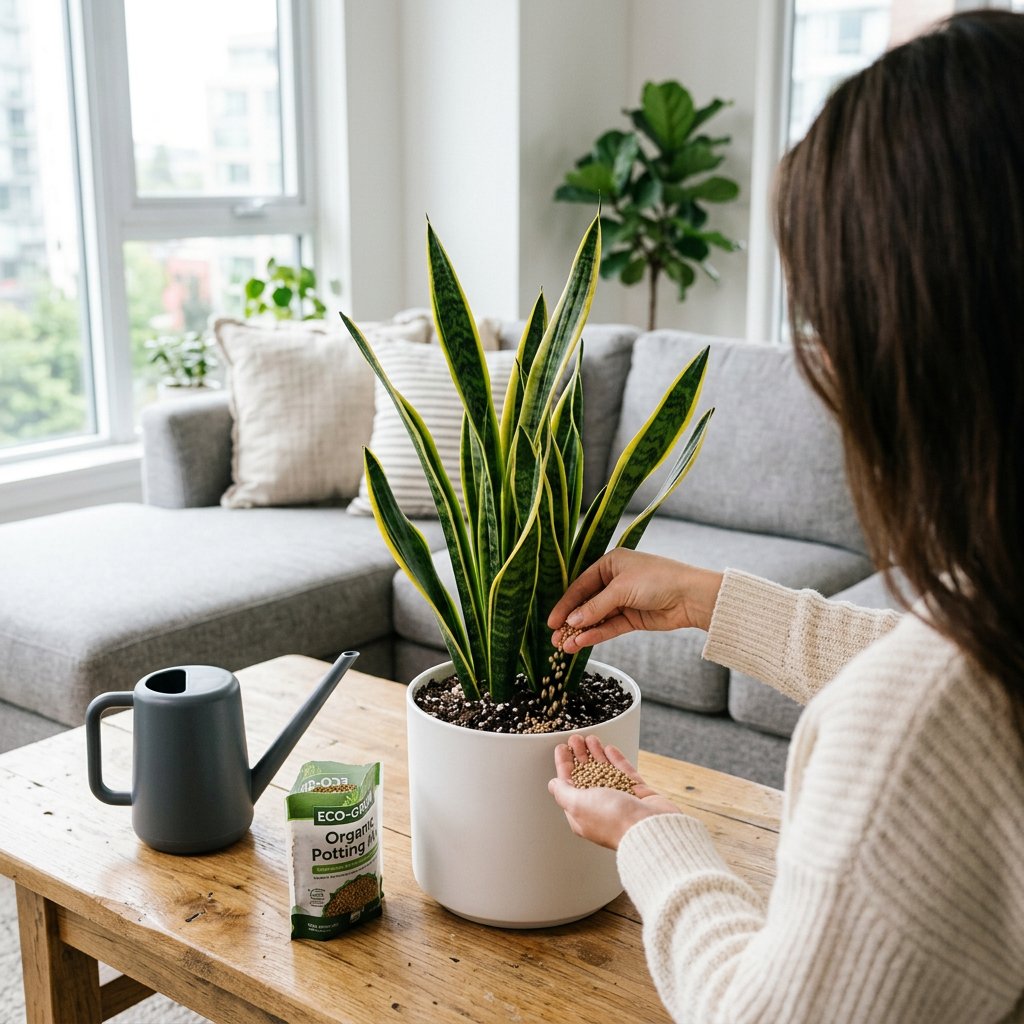
- The Action Step: Apply a balanced, water-soluble liquid houseplant fertilizer during the active growing seasons (spring and summer).
- Botanist Tip: If you notice chlorosis—a condition where the green leaves turn pale or yellow while the veins remain green—your plant may be lacking essential macronutrients like nitrogen or iron.
6. Practice Proactive Pest Management
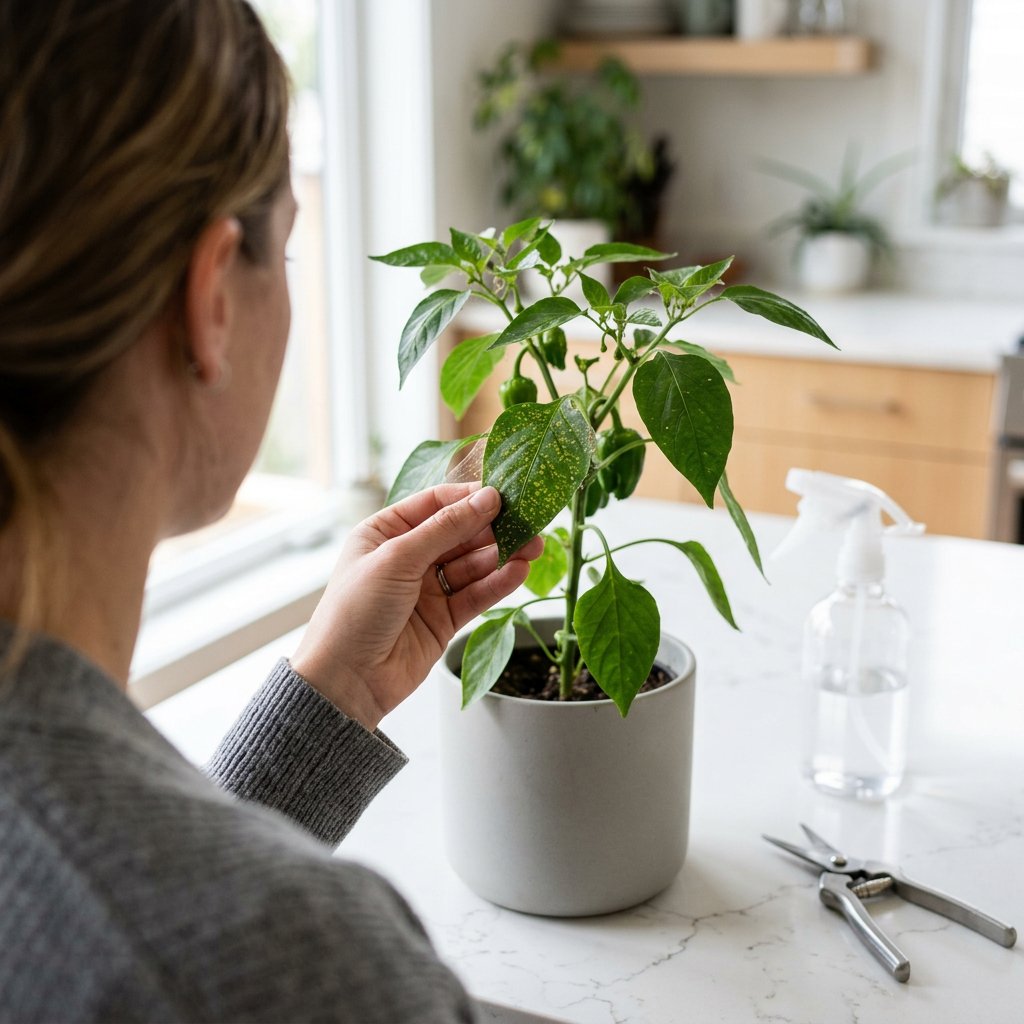
Pests like spider mites, fungus gnats, and thrips are a natural part of keeping plants. Catching them early makes all the difference.
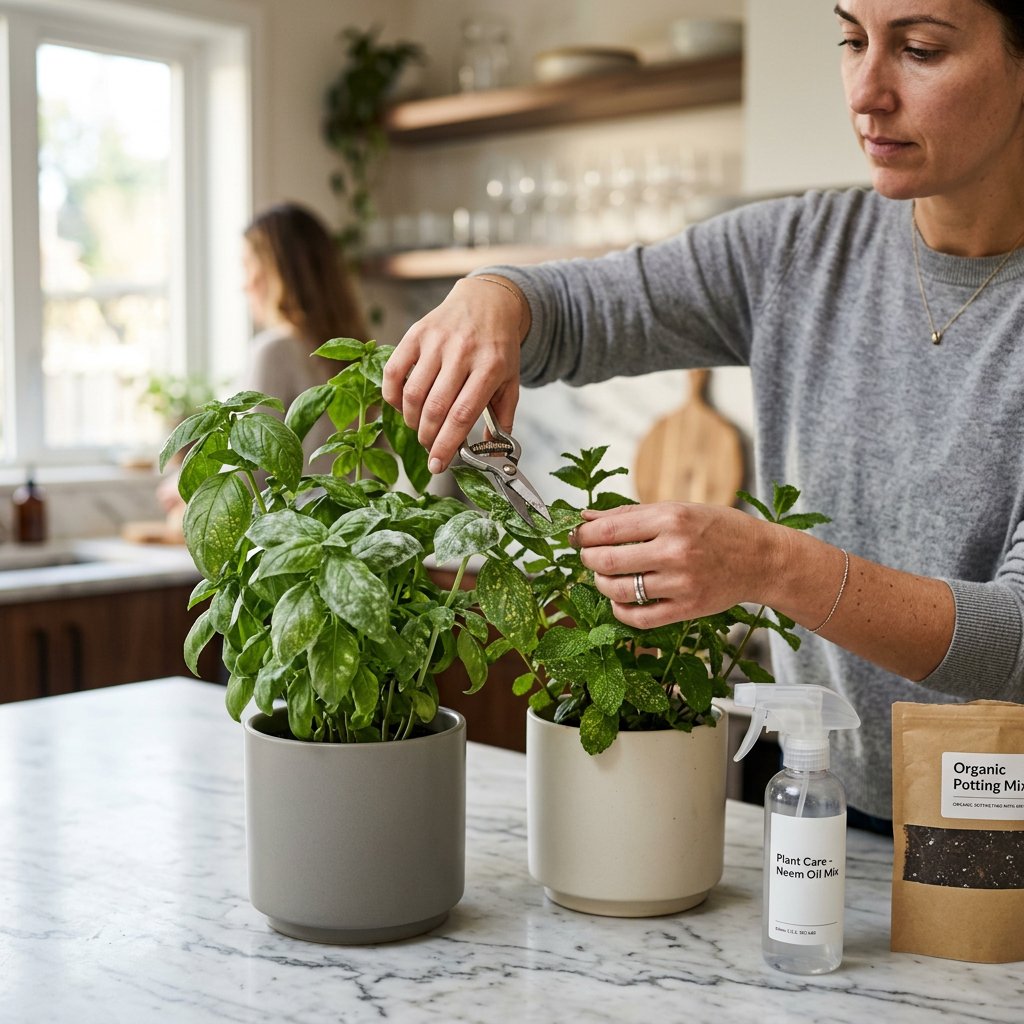
- The Action Step: Wipe down your plant's leaves with a damp cloth every few weeks to remove dust and inspect for tiny bugs. If you spot pests, skip the harsh chemicals or strange DIY kitchen remedies. Instead, treat the plant safely with insecticidal soap or horticultural neem oil.
- Need help? If you are unsure what is wrong with your plant, you can use the AI-powered plant disease scanner in the Plantiary app to get a reliable diagnosis and treatment plan in seconds.
7. Choose the Right Plant for Your Lifestyle
Finally, set yourself up for success by choosing plants that match your daily routine.
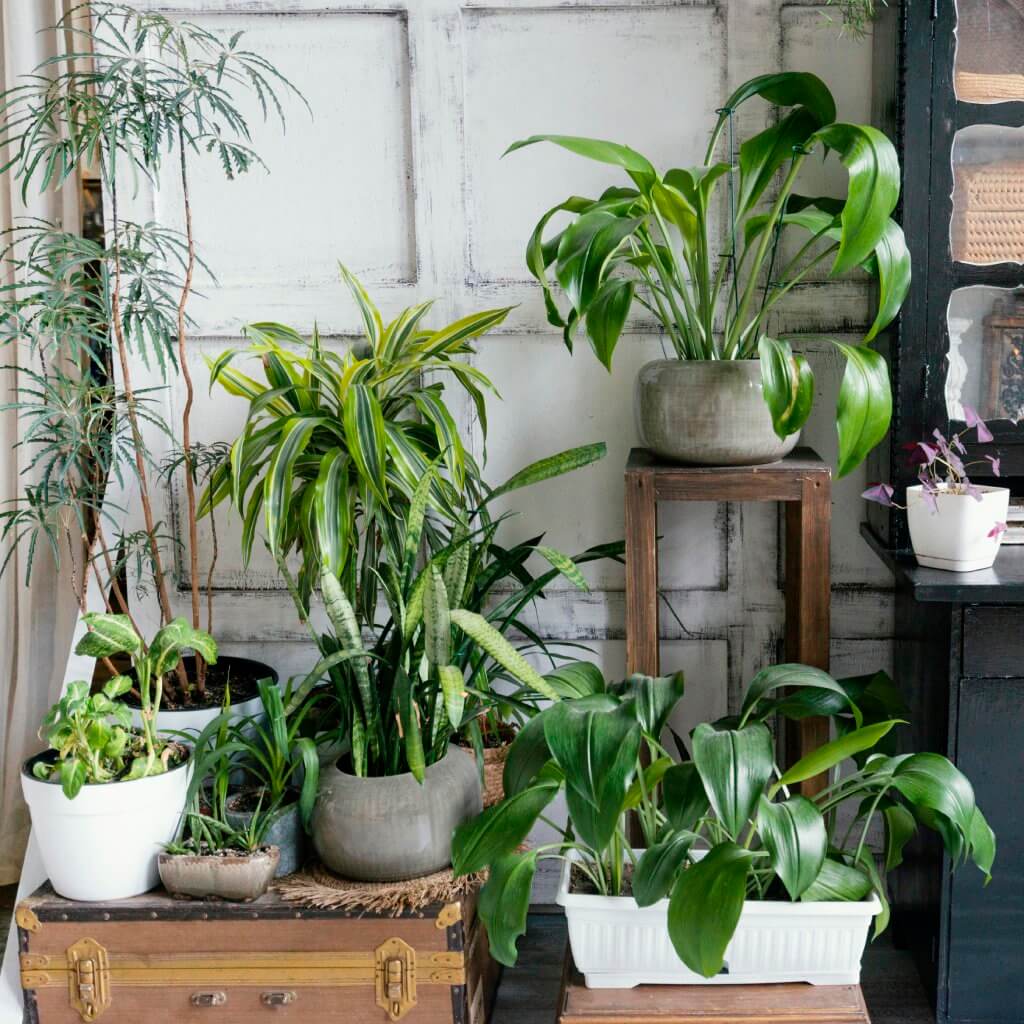
- The Action Step: If you travel frequently or are forgetful, drought-tolerant plants like Snake Plants or Pothos are your best friends. If you love tending to your plants daily, high-maintenance tropicals might be a fun challenge.
Remember, growing indoor plants is a beautiful, rewarding journey. By keeping these seven fundamental steps in mind—and keeping the Plantiary app handy for personalized care reminders—you are well on your way to cultivating a vibrant, thriving indoor jungle!