Snake plants (Sansevieria, now officially reclassified as Dracaena) are widely celebrated as the ultimate indestructible houseplant. They tolerate our busy schedules, survive in dimly lit corners, and ask for almost nothing in return. But what happens when your resilient green friend just... stops growing?
If you’ve been staring at the exact same leaves for months on end, take a deep breath. Stagnant growth happens to every plant parent at some point, and it doesn't mean you are doing a bad job! It simply means your plant is quietly asking for a slight adjustment to its environment. Let’s dig into why your snake plant has hit the pause button and explore the proven ways to get it thriving again.
The Problem: Recognizing a Stalled Snake Plant
Because snake plants are generally slow growers, it can be tricky to tell if your plant is actually stunted or just taking its sweet time. Here are the common signs that your plant's growth has officially stalled:
- No new pups: You haven't seen any baby plants (pups) emerging from the soil in over a year.
- Zero vertical growth: The existing leaves haven't grown taller or wider.
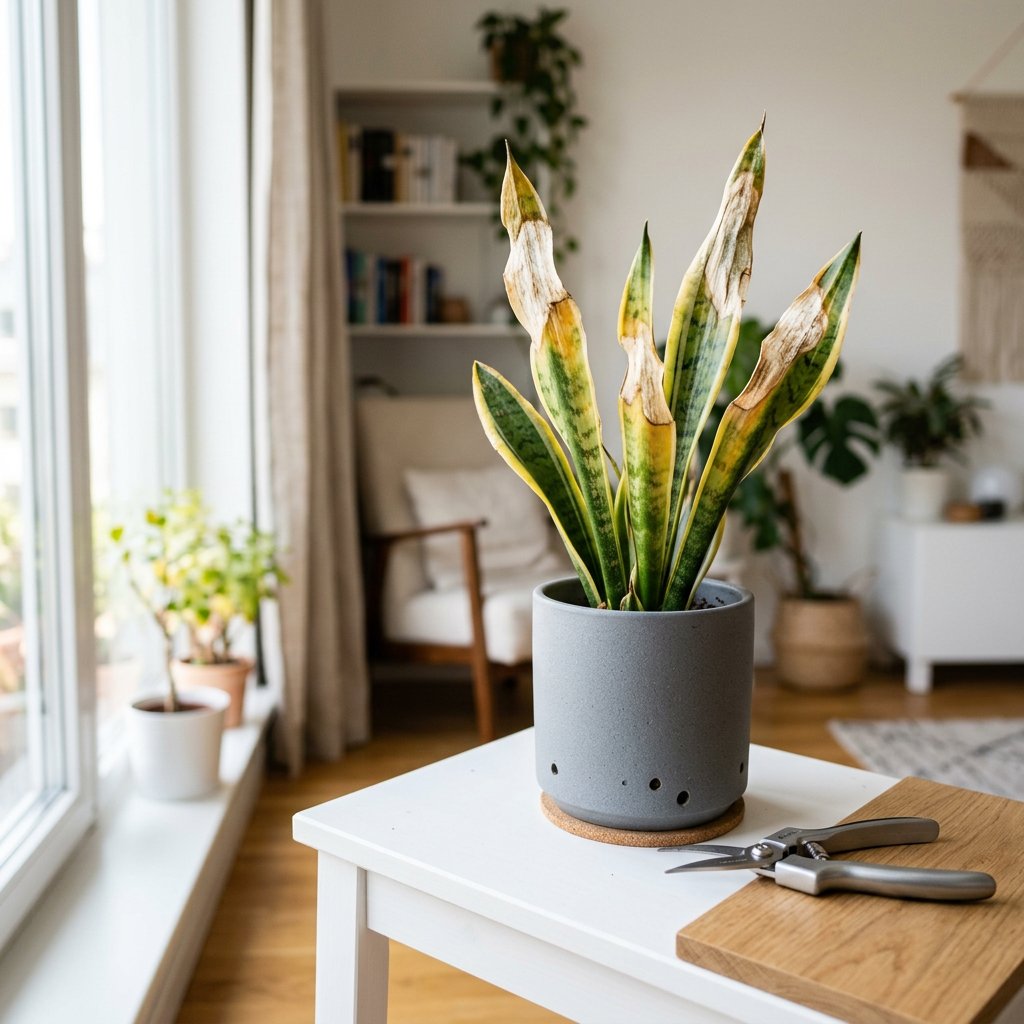
- Dull appearance: The foliage looks faded, slightly wrinkled, or lacks its usual firm, upright posture.
The Causes: Why Is Your Snake Plant Growing So Slowly?
To fix the issue, we first need to understand what is happening beneath the surface. Here are the most common scientific reasons behind a slow-growing snake plant:
1. Inadequate Lighting
Snake plants are famous for being "low-light tolerant," but surviving is not the same as thriving. When a plant is kept in a dark room, it lacks the energy required to photosynthesize and create new growth. Sometimes, this can even lead to etiolation—a term botanists use to describe when a plant stretches weakly toward a light source, resulting in thin, flimsy leaves.
2. Watering Woes
Both overwatering and underwatering can halt growth. Overwatering suffocates the roots and leads to root rot (a fungal or bacterial condition where roots turn to mush). Without healthy roots, the plant cannot absorb water or nutrients. Conversely, extreme underwatering forces the plant into survival mode, shutting down all non-essential functions like pushing out new leaves.
3. Pot Size Issues
If you recently placed your snake plant in a massive pot, it is likely focusing all of its energy on expanding its root system to fill the space, leaving no energy for top growth. On the flip side, if the plant is severely rootbound (where roots are tightly coiled and suffocating each other), there is simply no physical room left for new pups to emerge.
Not sure if your plant is dealing with a watering issue, root rot, or a hidden pest? You can use the AI-powered plant disease scanner in the Plantiary app to get a highly accurate diagnosis and treatment plan in seconds!
The Solutions: Step-by-Step Guide to Jumpstart Growth
Ready to see some fresh, vibrant leaves? Follow this step-by-step treatment plan using scientifically proven care methods.
Step 1: Optimize the Lighting Move your snake plant to a brighter location. Bright, indirect sunlight is the sweet spot for explosive growth. An east-facing or west-facing window where the plant receives a few hours of gentle morning or late afternoon sun is ideal. If your home lacks natural light, consider setting up a simple LED grow light.
Step 2: Master the Soak-and-Dry Method Adjust your watering routine to mimic the snake plant's natural arid habitat. Wait until the soil is 100% dry all the way to the bottom of the pot. When it is time to water, soak the soil thoroughly until water runs out the drainage holes, then empty the saucer. Never leave your plant sitting in a puddle! You can set up smart watering reminders in your Plantiary app to ensure you never overwater again.
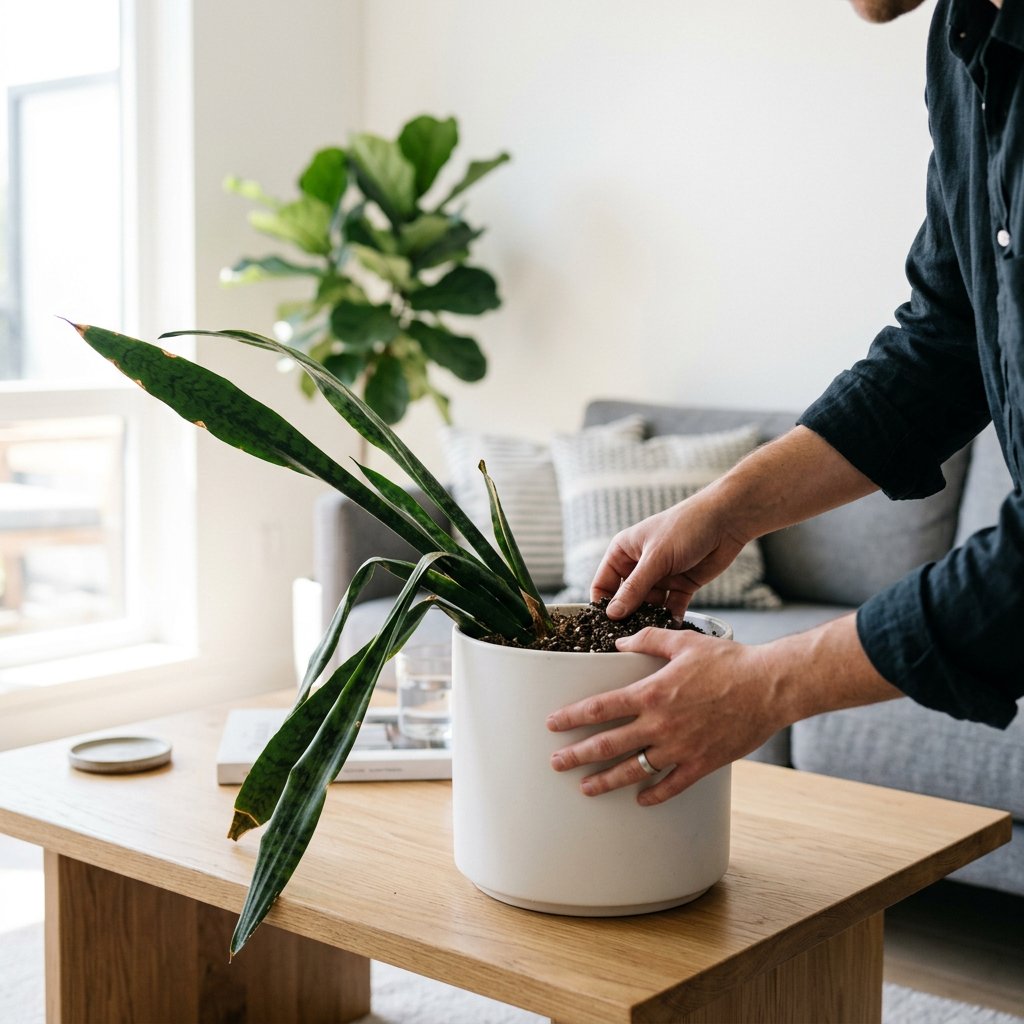
Step 3: Check the Roots and Repot (If Necessary) Gently slide the plant out of its pot and inspect the roots. Healthy snake plant roots are firm and typically pale orange or white. If they are mushy, brown, and foul-smelling, trim away the rot with sterile scissors. Repot the plant into a container that is only 1 to 2 inches wider than the root ball. Always use a highly porous, well-draining soil mix—a commercial cactus or succulent mix blended with a handful of perlite is perfect.
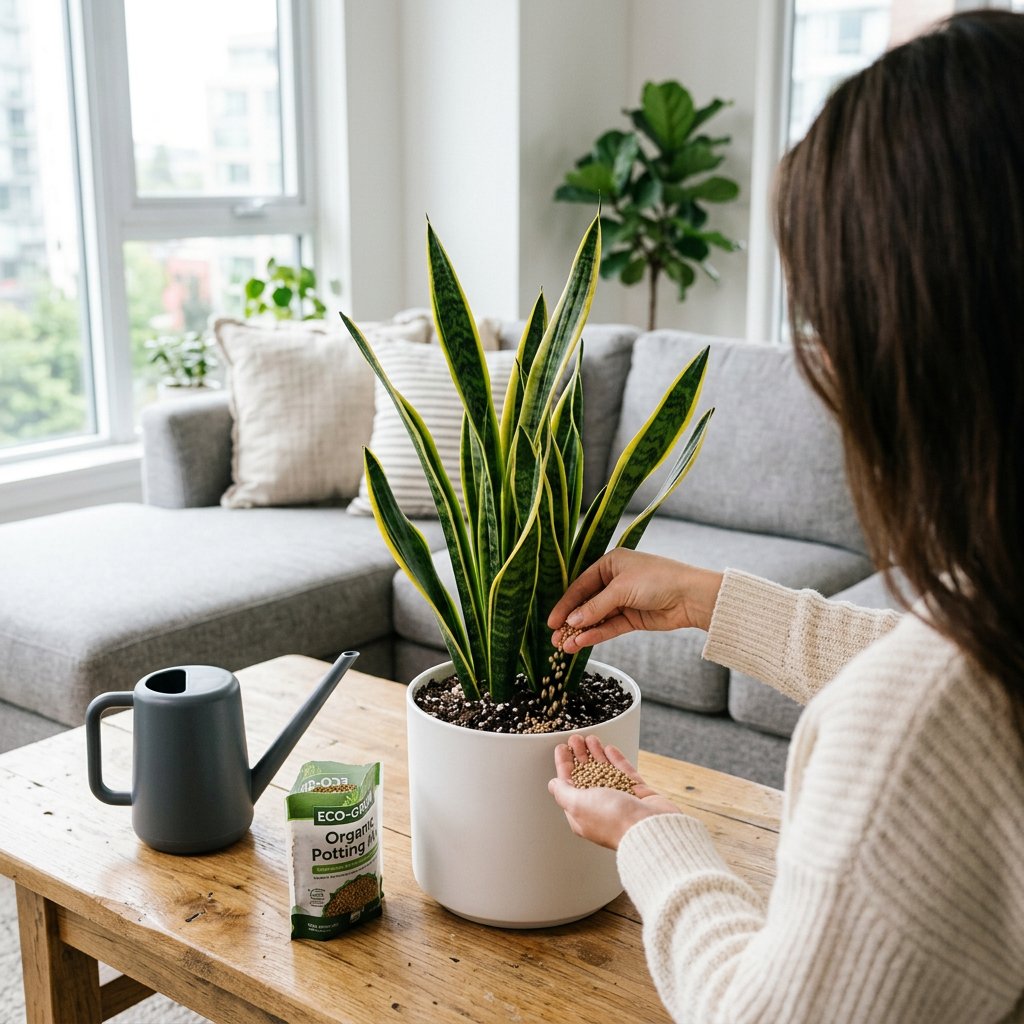
Step 4: Provide a Gentle Nutrient Boost During the active growing season (spring and summer), feed your snake plant with a balanced liquid houseplant fertilizer. Dilute the fertilizer to half the recommended strength to avoid burning the roots, and apply it once a month. Hold off on fertilizing during the fall and winter, as the plant naturally enters a resting phase (dormancy) and doesn't need extra food.
With a little patience and these simple adjustments, your snake plant will be back on track, pushing out beautiful new leaves and pups in no time. Happy planting!